Introduction
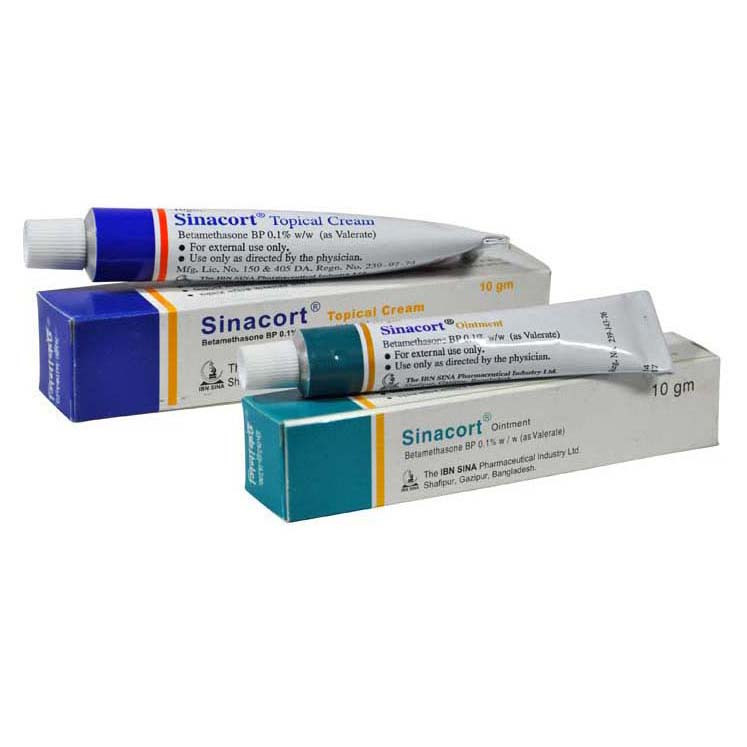
Betamethasone is a long-acting corticosteroid with immunosuppressive and antiinflammatory properties. It can be used topically to manage inflammatory skin conditions such as eczema, and parenterally to manage several disease states including autoimmune disorders. Betamethasone has potent glucocorticoid activity and negligible mineralocorticoid activity.
Uses
Betamethasone is a systemic corticosteroid used to relieve inflammation in various conditions, including but not limited to allergic states, dermatologic disorders, gastrointestinal diseases, and hematological disorders.
As a member of the corticosteroid family, betamethasone is indicated for the treatment of several inflammatory conditions. As topical monotherapy, betamethasone is indicated to relieve pruritic and inflammatory symptoms of corticosteroid-responsive-dermatoses. Betamethasone can be used topically in combination with a vitamin D analog such as calcipotriene to treat plaque psoriasis. The corticosteroid is also available as an injectable suspension and can be used to manage a range of inflammatory conditions including endocrine disorders, gastrointestinal disorders, and rheumatic disorders among other conditions.
Associated Conditions
Pharmacodynamics
Corticosteroids bind to the glucocorticoid receptor inhibiting pro-inflammatory signals, while promoting anti-inflammatory signals. Corticosteroids have a wide therapeutic window as patients may require doses that are multiples of what the body naturally produces. Patients who require long-term treatment with a corticosteroid should be counselled regarding the risk of hypothalamic-pituitary-adrenal axis suppression and increased susceptibility to infections.
Mechanism of Action
Glucocorticoids inhibit neutrophil apoptosis and demargination, and inhibit NF-Kappa B and other inflammatory transcription factors. They also inhibit phospholipase A2, leading to decreased formation of arachidonic acid derivatives. In addition, glucocorticoids promote anti-inflammatory genes like interleukin-10.
Corticosteroids like betamethasone can act through nongenomic and genomic pathways. The genomic pathway is slower and occurs when glucocorticoids activate glucocorticoid receptors and initiate downstream effects that promote transcription of anti-inflammatory genes including phosphoenolpyruvate carboxykinase (PEPCK), IL-1-receptor antagonist, and tyrosine amino transferase (TAT). On the other hand, the nongenomic pathway is able to elicit a quicker response by modulating T-cell, platelet and monocyte activity through the use of existing membrane-bound receptors and second messengers.
Absorption
The absorption and potency of any topical corticosteroid including betamethasone depends on the vehicle in which the steroid is delivered. For example, betamethasone dipropionate 0.05% ointment is classified as a highly potent topical steroid, while betamethasone dipropionate 0.05% cream or lotion is considered to be moderately potent.
There are several structural modifications that can determine the potency of a topical corticosteroid. For example, corticosteroids containing a halogen at specific carbons, or that contain esters are more potent due to enhanced lipophilicity. As such, there is a marked difference between topical products containing betamethasone dipropionate vs. betamethasone valerate. Betamethasone dipropionate contains 2 esters which enhances its potency, while betamethasone valerate has only one ester and is less potent.
It should be noted that the use of occlusive dressings with topical steroids significantly increases the absorption, increasing the risk for adverse effects.
Volume of Distribution
In a study that included Indian women of reproductive age, the volume of distribution following a single intramuscular dose of betamethasone phosphate was 94,584±23,539 mL(s).
Protein Binding
Betamethasone valerate binds to serum albumin and corticosteroid-binding globulin.
Route of Elimination
Corticosteroids are eliminated predominantly in the urine.
Half Life
In a study that included Indian women of reproductive age, the half-life following a single intramuscular dose of betamethasone phosphate was 10.2 ± 2.5 hours.
Clearance
In a study that included Indian women of reproductive age, the CL/F following a single intramuscular dose of betamethasone phosphate was 6,466 ± 805 mL/hour.
Toxicity
Chronic high doses of glucocorticoids can lead to the development of cataracts, glaucoma, hypertension, water retention, hyperlipidemia, peptic ulcer, pancreatitis, myopathy, osteoporosis, mood changes, psychosis, dermal atrophy, allergy, acne, hypertrichosis, immune suppression, decreased resistance to infection, moon face, hyperglycemia, hypocalcemia, hypophosphatemia, metabolic acidosis, growth suppression, and secondary adrenal insufficiency. Overdose may be treated by adjusting the dose or stopping the corticosteroid as well as initiating symptomatic and supportive treatment.
Food Interactions
No interactions found.