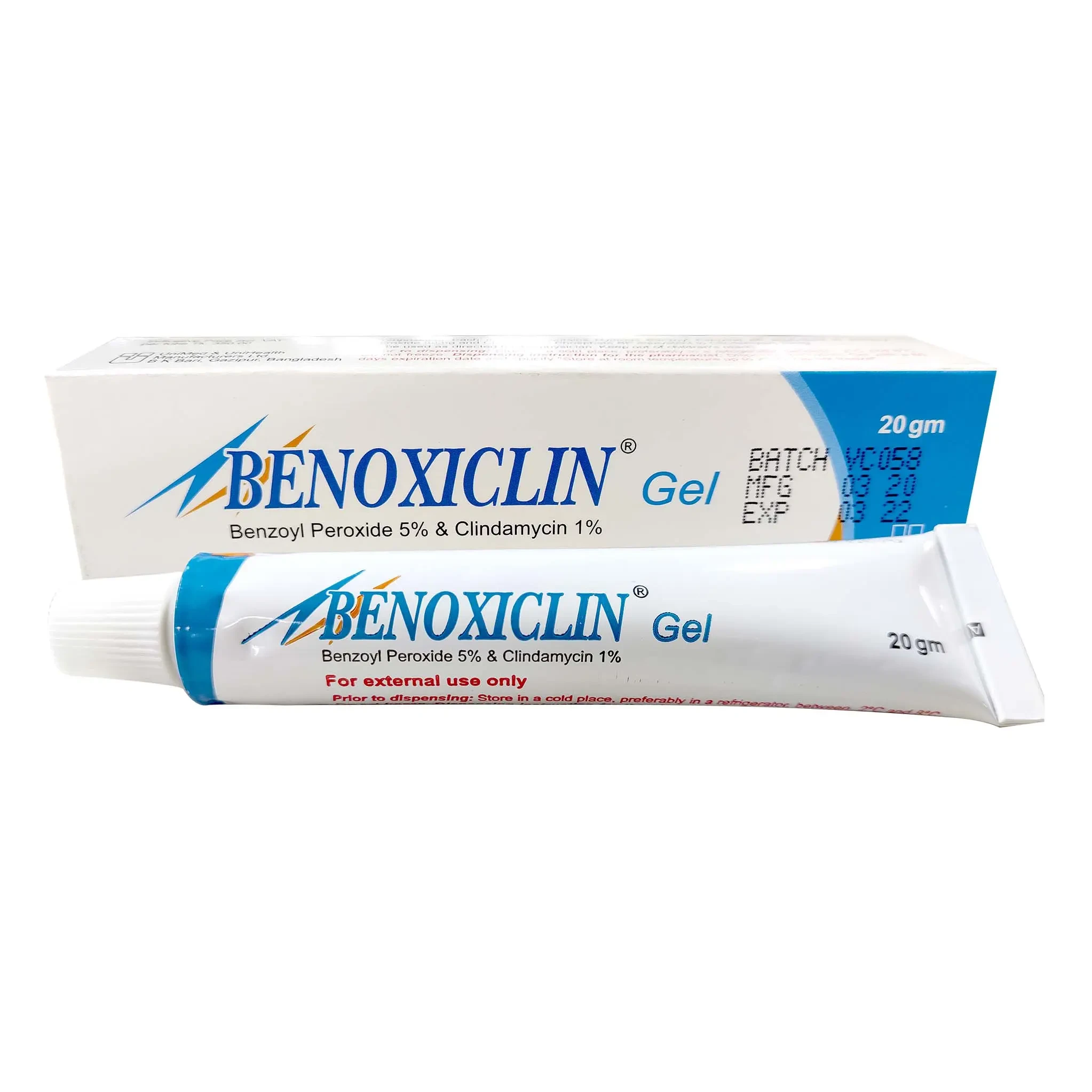
Introduction
Clindamycin + benzoyl peroxide is a combination topical medication used primarily for the treatment of acne vulgaris. Clindamycin is an antibiotic that inhibits bacterial protein synthesis, while benzoyl peroxide is an antimicrobial and keratolytic agent. Together, they help reduce the number of acne lesions and prevent new ones from forming.
Uses
This combination medication is used for:
- Treatment of acne vulgaris by reducing the number of acne lesions and preventing new ones.
- Reducing inflammation and bacterial growth in acne-prone skin.
Mechanism of Action
Clindamycin works by inhibiting bacterial protein synthesis through binding to the 50S ribosomal subunit of bacteria, thereby preventing bacterial growth. Benzoyl peroxide acts as an antimicrobial agent by releasing oxygen, which kills the bacteria responsible for acne. Additionally, benzoyl peroxide helps to exfoliate the skin, reducing clogged pores.
How Long Does It Take to Work?
Patients may start to see improvements in their acne within 2 to 4 weeks of starting treatment, with more significant results often occurring after 6 to 8 weeks of use. The full benefits of the medication can be observed over several months of consistent application.
Absorption
When applied topically, clindamycin and benzoyl peroxide are absorbed through the skin but generally have minimal systemic absorption. Their primary action is localized to the area of application, focusing on the skin's surface and upper layers.
Route of Elimination
Clindamycin is metabolized in the liver and excreted primarily in the urine. Benzoyl peroxide is broken down in the skin and has minimal systemic absorption, with its breakdown products also excreted through urine.
Dosage
Adults and Adolescents (aged 12 years and above): This gel should be applied once daily in the evening, to the entire affected area. Patients should be advised that excessive application will not improve efficacy, but may increase the risk of skin irritation. If excessive dryness or peeling occurs, frequency of application should be reduced or application temporarily interrupted. An effect on inflammatory and non-inflammatory lesions may be seen as early as week 2-5 of treatment. The safety and efficacy of this gel has not been studied beyond 12 weeks in acne vulgaris clinical trials. Treatment with this gel should not exceed more than 12 weeks of continuous use.Paediatric population: The safety and efficacy of this gel has not been established in children under 12 years of age, therefore this gel is not recommended for use in this population.
Elderly patients: No specific recommendations. This gel should be applied in a thin film after washing gently with a mild cleanser and fully drying. If the gel does not rub into the skin easily, too much is being applied. Hands should be washed after application.
The usual dosage of clindamycin + benzoyl peroxide is:
- Apply a thin layer of the medication to the affected areas of the skin once or twice daily, as prescribed by a healthcare provider.
- Follow the specific dosing instructions provided by a healthcare professional or as indicated on the medication label.
Administration
This medication should be applied to clean, dry skin. Gently wash the affected area with a mild cleanser and pat dry before applying the medication. Apply a thin layer to the affected areas, avoiding contact with the eyes, mouth, and mucous membranes.
Side Effects
Common side effects include:
- Dryness or peeling of the skin.
- Redness or irritation at the application site.
- Itching or burning sensation.
- Less common side effects may include allergic reactions or severe skin irritation.
Toxicity
Toxicity from topical application is rare, but excessive use or sensitivity can lead to severe skin irritation or allergic reactions. If any severe symptoms or signs of an allergic reaction (e.g., rash, swelling, severe itching) occur, discontinue use and seek medical attention.
Precautions
Precautions include:
- Avoid using the medication on broken or irritated skin.
- Do not apply to areas where skin is sunburned or has open wounds.
- Use with caution in patients with a history of skin sensitivity or allergies.
Interaction
There are no significant drug interactions with clindamycin + benzoyl peroxide when used topically. However, using other topical acne treatments or products that may cause skin irritation concurrently should be avoided unless advised by a healthcare provider.
Disease Interaction
Use with caution in patients with:
- History of gastrointestinal conditions, as systemic absorption of clindamycin can be a concern if there is significant irritation.
- Severe skin conditions or eczema, as benzoyl peroxide may exacerbate irritation.
Drug Interaction
No significant drug interactions are known with clindamycin + benzoyl peroxide. However, patients should inform their healthcare provider of all other topical or oral medications they are using to avoid potential interactions.
Food Interactions
There are no specific food interactions with clindamycin + benzoyl peroxide. It is generally recommended to maintain a consistent skincare routine and avoid products that may cause additional skin irritation.
Pregnancy Use
The safety of clindamycin + benzoyl peroxide during pregnancy has not been fully established. It should be used during pregnancy only if clearly needed and as directed by a healthcare provider. Consult a healthcare professional if pregnant or planning to become pregnant.
Lactation Use
The safety of clindamycin + benzoyl peroxide during lactation is not well-established. It is advisable to consult a healthcare provider before using this medication while breastfeeding to evaluate potential risks to the infant.
Acute Overdose
Acute overdose is unlikely with topical application. In case of accidental ingestion or excessive application, seek medical attention immediately. Overuse may lead to severe skin irritation or allergic reactions.
Contraindication
Clindamycin + benzoyl peroxide is contraindicated in individuals with:
- Known hypersensitivity to clindamycin, benzoyl peroxide, or any other components of the formulation.
- Severe allergic reactions or significant skin irritation from previous use of similar products.
Use Direction
Apply as directed to the affected areas once or twice daily. Avoid applying to broken or irritated skin. Follow the healthcare provider’s instructions and the product label carefully.
Storage Conditions
Store clindamycin + benzoyl peroxide at room temperature, away from moisture and heat. Keep the medication in its original container, tightly closed, and out of reach of children.
Volume of Distribution
The volume of distribution is not typically measured for topical medications like clindamycin + benzoyl peroxide. The drug primarily acts locally at the site of application.
Half Life
The half-life of clindamycin in the body can vary, but topical application results in minimal systemic absorption. Benzoyl peroxide is broken down rapidly in the skin, with negligible systemic half-life.
Clearance
Clearance data for topical clindamycin + benzoyl peroxide is not typically available as the drug acts locally with minimal systemic absorption. The medications are primarily eliminated through the skin and urine.