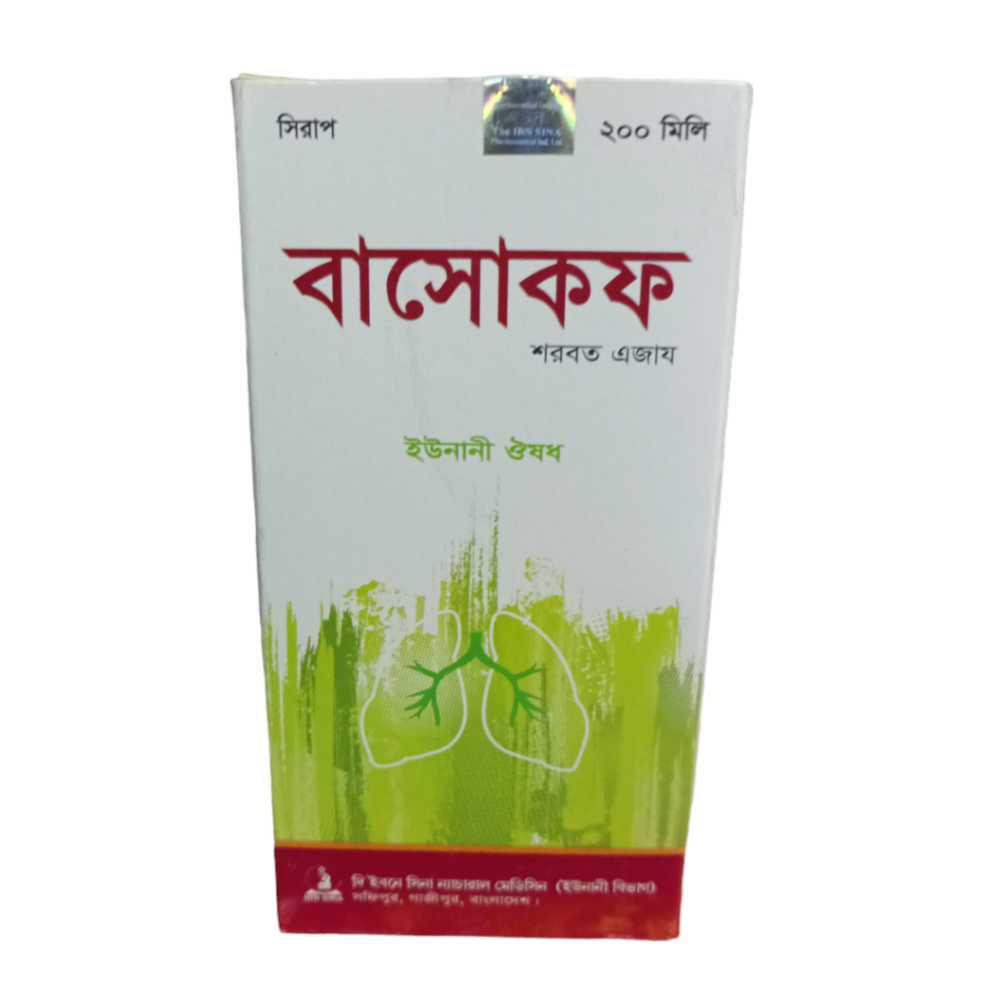
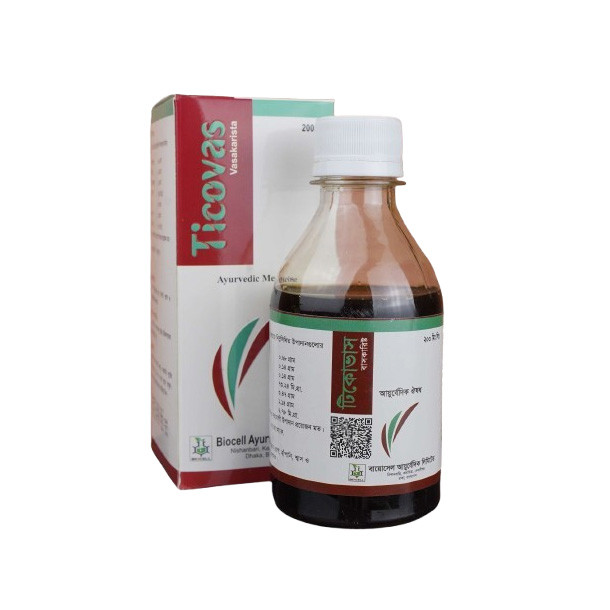
Introduction
Vasakarista is a traditional Ayurvedic herbal formulation used primarily for managing cough and respiratory disorders. It is a liquid preparation that combines various medicinal herbs known for their expectorant, anti-inflammatory, and soothing properties. This formulation is widely used in Ayurvedic medicine to treat conditions such as coughs, bronchitis, and other respiratory ailments.
Uses
Vasakarista is used for:
- Relieving cough and reducing symptoms of respiratory infections.
- Soothing irritation and inflammation of the throat and respiratory tract.
- Improving overall respiratory function and reducing excess mucus production.
- Managing chronic respiratory conditions, such as bronchitis and asthma.
Mechanism of Action
Vasakarista works through a combination of its herbal ingredients, which may include herbs like Vasaka (Adhatoda vasica), Pippali (Piper longum), and others. The key mechanisms of action include:
- Expectorant properties that help in thinning and expelling mucus from the respiratory tract.
- Anti-inflammatory effects that reduce swelling and irritation in the throat and airways.
- Soothing effects that help relieve coughing and irritation.
How Long Does It Take to Work?
The onset of action for Vasakarista can vary depending on the individual and the severity of symptoms. Generally, improvements in symptoms can be observed within a few days to a week of regular use. For best results, it should be used consistently as directed by a healthcare provider.
Absorption
As an oral liquid preparation, Vasakarista is absorbed through the gastrointestinal tract. The herbal components are absorbed into the bloodstream after ingestion, where they exert their therapeutic effects on the respiratory system.
Route of Elimination
The herbs in Vasakarista are metabolized by the liver and then excreted via the kidneys. The elimination process involves the breakdown of active components and their removal from the body through urine.
Dosage
Children under 12 years: 1-2 teaspoonful (5-10 ml) 2-3 times a day. 'Adult: 3 teaspoonful (15 ml) 2-3 times a day.
Some warm water may be added for better results.
The dosage of Vasakarista can vary based on the specific formulation and the patient's condition. A typical dosage may be:
- Adults: 1 to 2 teaspoons (5-10 mL) two to three times daily, preferably after meals.
- Children: Dosage should be adjusted based on age and weight, typically 1/2 to 1 teaspoon (2.5-5 mL) two to three times daily.
It is important to follow the dosage instructions provided on the product label or by a healthcare provider.
Administration
Vasakarista should be administered orally. It is usually taken after meals to enhance absorption and reduce the potential for gastrointestinal irritation. The liquid should be measured using a teaspoon or dosing cup, as indicated on the product label.
Side Effects
Side effects of Vasakarista are generally mild and rare, but may include:
- Gastrointestinal discomfort or upset, such as nausea or stomach pain.
- Allergic reactions, such as rash or itching, if sensitive to any of the herbal ingredients.
Severe side effects are uncommon but should be reported to a healthcare provider if they occur.
Toxicity
Vasakarista is generally considered safe when used as directed. However, excessive consumption or misuse may lead to gastrointestinal issues or allergic reactions. In case of overdose or severe adverse reactions, discontinue use and seek medical advice.
Precautions
Precautions for using Vasakarista include:
- Consult a healthcare provider before use, especially if you have underlying health conditions or are pregnant or breastfeeding.
- Monitor for any adverse reactions or allergies to the herbal ingredients.
- Use with caution in individuals with gastrointestinal disorders or chronic health conditions.
Interaction
Herbal cough syrups like Vasakarista may interact with other medications or supplements. It is important to inform your healthcare provider about all the products you are taking to avoid potential interactions.
Disease Interaction
Use Vasakarista with caution in patients with:
- Gastrointestinal conditions, as it may cause irritation in sensitive individuals.
- Respiratory conditions requiring specific treatments, as it may interact with other medications.
Drug Interaction
Possible drug interactions include:
- Herbal supplements or medications with similar effects on the respiratory system or gastrointestinal tract.
- Medications that affect liver metabolism, as they may alter the effectiveness of the herbal components.
Food Interactions
Vasakarista can generally be taken with or without food. However, taking it with food may help reduce gastrointestinal discomfort. Avoid consuming alcohol or large amounts of caffeine, as they can interfere with the effectiveness of the herbal remedy.
Pregnancy Use
Pregnant women should use Vasakarista with caution and only under the guidance of a healthcare provider. Some herbs may not be recommended during pregnancy, so it's essential to consult a healthcare provider before using this product.
Lactation Use
Vasakarista can be used during lactation, but it is important to consult a healthcare provider before use. Monitoring the infant for any adverse effects is advisable while using any herbal products during breastfeeding.
Acute Overdose
In case of acute overdose, symptoms may include gastrointestinal upset or allergic reactions. Seek medical attention immediately if a large amount is ingested or if severe symptoms occur. Treatment usually involves supportive care and monitoring.
Contraindication
Vasakarista is contraindicated in individuals with:
- Known hypersensitivity to any of the herbal ingredients.
- Severe liver or kidney conditions, unless supervised by a healthcare provider.
Use Direction
Follow the dosage and administration instructions provided on the product label or by your healthcare provider. For best results, use Vasakarista consistently and as directed to manage cough and respiratory symptoms effectively.
Storage Conditions
Store Vasakarista in a cool, dry place, away from direct sunlight and moisture. Keep the bottle tightly closed and out of reach of children.
Volume of Distribution
The volume of distribution for herbal formulations like Vasakarista is not typically specified in standard references. It reflects how the herbal components distribute throughout the body after administration.
Half Life
The half-life of Vasakarista is not well-documented, as it depends on the individual herbal components and their metabolism. The effects of the formulation generally last throughout the dosing interval.
Clearance
The clearance of herbal components in Vasakarista involves hepatic metabolism and renal excretion. The rate of clearance can vary based on the specific herbs used and individual patient factors.