Introduction
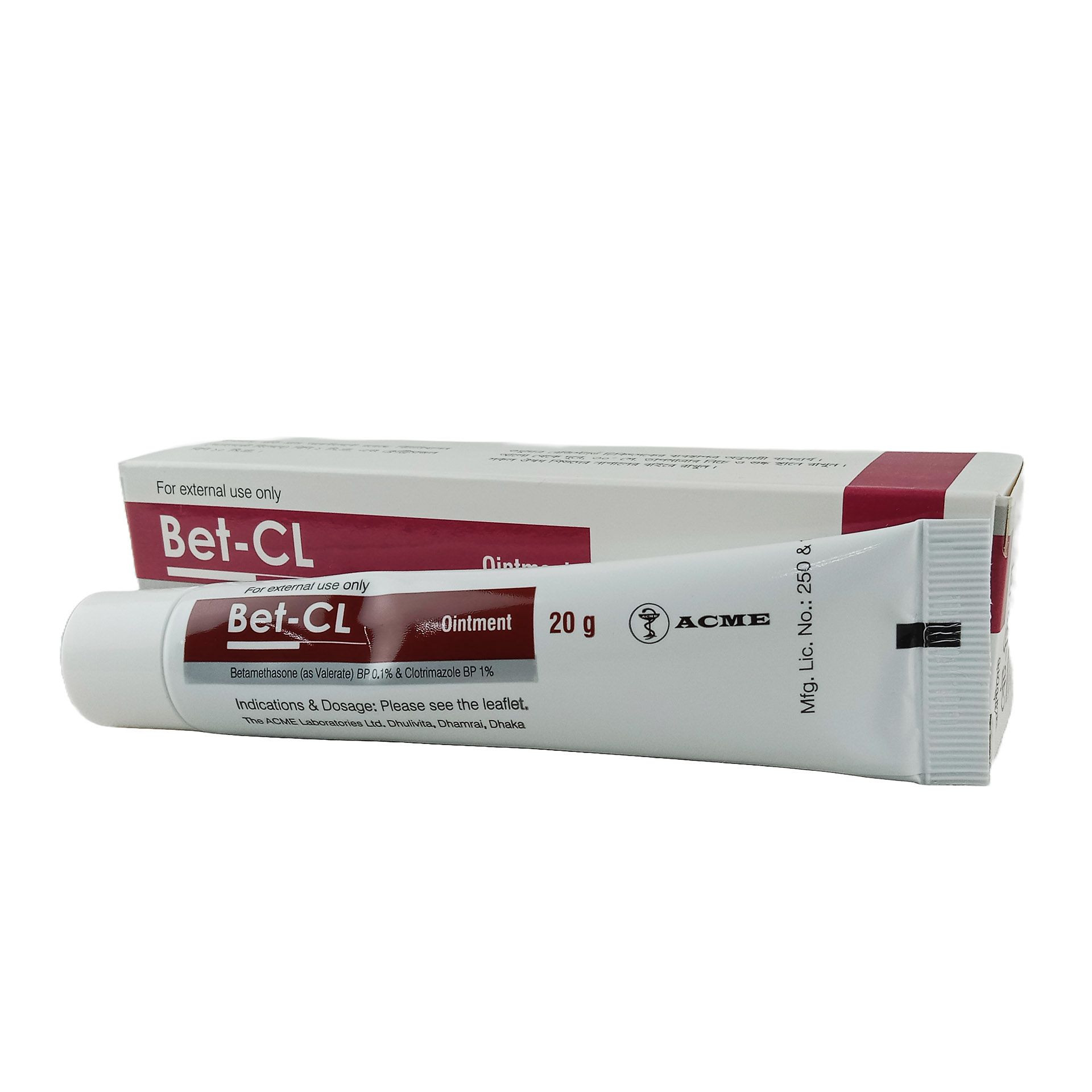
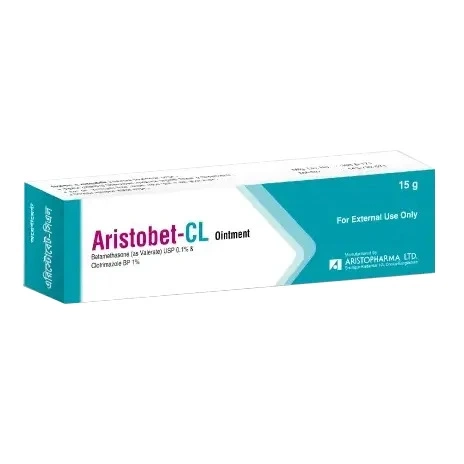
Betamethasone and clotrimazole is a combination medication used primarily in topical treatments. Betamethasone is a potent corticosteroid that reduces inflammation, while clotrimazole is an antifungal agent that treats fungal infections. This combination is often used to manage conditions involving both inflammation and fungal infections, such as fungal skin infections accompanied by inflammatory reactions.
Uses
This combination is used for:
- Treating fungal skin infections, such as athlete's foot, ringworm, and jock itch, where inflammation is also present.
- Managing inflammatory skin conditions that are complicated by fungal infections, including eczema and dermatitis.
Mechanism of Action
Betamethasone works by binding to glucocorticoid receptors in the cell, leading to decreased production of inflammatory mediators and suppression of immune responses. Clotrimazole acts by inhibiting the synthesis of ergosterol, an essential component of fungal cell membranes, thereby disrupting cell membrane function and leading to fungal cell death.
How Long Does It Take to Work?
The onset of action can vary. Betamethasone typically starts to reduce inflammation within a few hours, while clotrimazole may take several days to show significant antifungal effects. Generally, patients may begin to notice improvement in symptoms within 2 to 3 days, with more pronounced effects occurring over the course of 1 to 2 weeks.
Absorption
When applied topically, betamethasone and clotrimazole are absorbed through the skin. Betamethasone is absorbed more readily in areas of damaged skin compared to intact skin. Clotrimazole is also absorbed through the skin but to a lesser extent. The systemic absorption of these drugs is minimal when used as directed.
Route of Elimination
Betamethasone is primarily metabolized in the liver and excreted in the urine. Clotrimazole is also metabolized in the liver, with excretion mainly occurring via urine and feces.
Dosage
Sufficient topical preparation should be applied onto the affected and surrounding skin areas twice a day, in the morning and evening, for 2 weeks in tinea cruris and tinea corporis and for 4 weeks in tinea pedis. The use of this cream for longer than four weeks is not recommended.The safety and effectiveness of the preparation have not been established in children below the age of 12 years.
For topical use, the dosage generally involves applying a thin layer of the cream or ointment to the affected area once or twice daily. The exact dosage and frequency depend on the severity of the condition and the specific product used. It is important to follow the prescribed dosage to avoid potential side effects and ensure efficacy.
Administration
Betamethasone and clotrimazole are administered topically. The medication should be applied to the affected area and gently rubbed in. Avoid application to broken or irritated skin and ensure the area is clean and dry before application.
Side Effects
Common side effects may include:
- Local irritation, such as burning, stinging, or itching.
- Dryness or peeling of the skin.
- Redness or rash at the application site.
Toxicity
Toxicity is rare with appropriate topical use. Overuse or application to large areas of the body may lead to systemic corticosteroid effects, including Cushing's syndrome or suppression of the adrenal gland. In case of accidental ingestion or severe side effects, seek medical attention immediately.
Precautions
Precautions include:
- Avoid prolonged use or application to large areas to prevent systemic absorption.
- Do not apply to open wounds or broken skin.
- Monitor for signs of skin thinning or stretch marks with long-term use.
Interaction
Topical interactions are minimal. However, avoid using other topical products containing corticosteroids or antifungals in the same area unless directed by a healthcare provider. Systemic interactions are unlikely due to minimal absorption.
Disease Interaction
Use with caution in patients with:
- Pre-existing skin infections that may be exacerbated by corticosteroids.
- Diabetes or other conditions that may be affected by corticosteroid use.
Drug Interaction
Drug interactions are minimal with topical use. Systemic corticosteroids and antifungal medications may interact with other drugs, but such interactions are unlikely with topical application unless absorbed in significant amounts.
Food Interactions
There are no significant food interactions with topical use of betamethasone and clotrimazole.
Pregnancy Use
Betamethasone and clotrimazole should be used during pregnancy only if the potential benefit justifies the potential risk to the fetus. Consult a healthcare provider before use during pregnancy to discuss the risks and benefits.
Lactation Use
It is advisable to avoid applying betamethasone and clotrimazole to the breasts or areas that may come into contact with a nursing infant. Consult a healthcare provider if use is necessary during lactation.
Acute Overdose
Acute overdose is unlikely with topical application. If large amounts are accidentally ingested or applied, seek medical attention immediately. Symptoms of overdose may include systemic corticosteroid effects such as Cushing's syndrome or adrenal suppression.
Contraindication
This combination is contraindicated in patients with:
- Known hypersensitivity to betamethasone, clotrimazole, or other components of the formulation.
- Specific fungal infections that may require systemic treatment rather than topical therapy.
Use Direction
Follow the healthcare provider’s instructions for dosage and administration. Apply the medication as prescribed and avoid overuse. Do not use on broken or irritated skin and avoid contact with the eyes.
Storage Conditions
Store betamethasone and clotrimazole at room temperature, away from moisture and heat. Keep the medication out of reach of children and ensure the container is tightly closed.
Volume of Distribution
The volume of distribution for topical betamethasone and clotrimazole is not well-documented due to minimal systemic absorption. The drugs primarily act locally at the site of application.
Half Life
The half-life of topical betamethasone is approximately 3 to 4 hours, while clotrimazole has a longer half-life in systemic circulation. However, the clinical relevance is limited due to minimal systemic absorption from topical use.
Clearance
Topical betamethasone and clotrimazole are primarily cleared through hepatic metabolism and excretion in the urine. Systemic clearance is not a major concern with topical application, but clearance rates can be influenced by liver and kidney function if absorbed in significant amounts.