Introduction
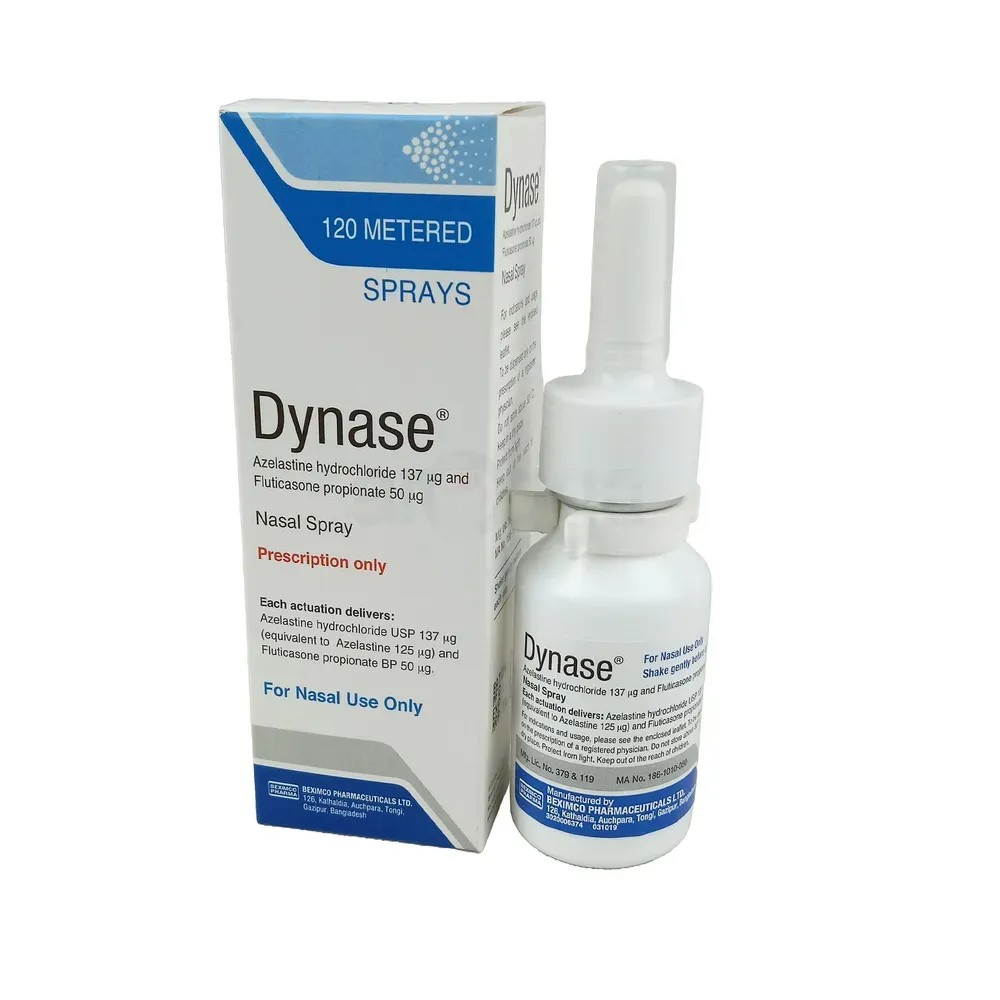
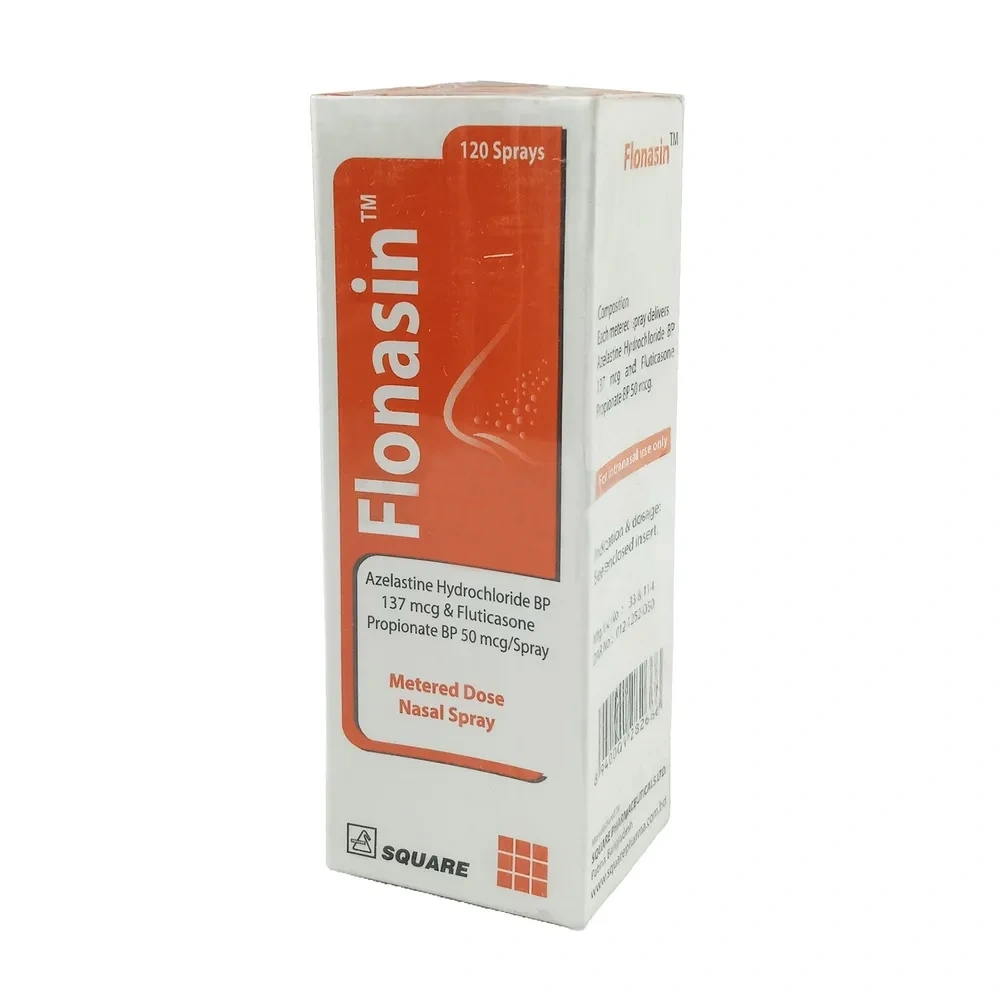
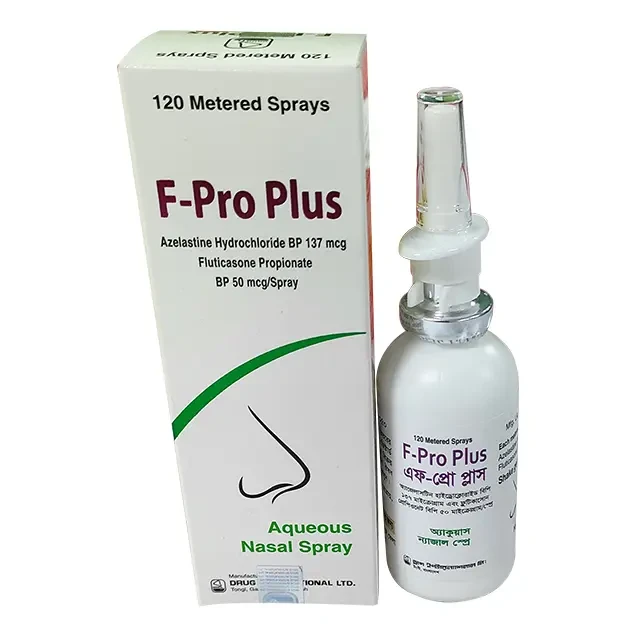
Azelastine Hydrochloride and Fluticasone Propionate are combined in a nasal spray used for the management of allergic rhinitis. Azelastine Hydrochloride is an antihistamine, while Fluticasone Propionate is a corticosteroid. Together, they address both the histamine-mediated and inflammatory components of allergic reactions.
Uses
The combination of Azelastine Hydrochloride and Fluticasone Propionate is used for:
- Allergic Rhinitis: Relief of symptoms associated with seasonal or perennial allergic rhinitis, such as nasal congestion, sneezing, and runny nose.
- Non-Allergic Rhinitis: Management of symptoms of non-allergic rhinitis when inflammation and histamine release contribute to nasal symptoms.
Mechanism of Action
Azelastine Hydrochloride is a selective H1 receptor antagonist that blocks the effects of histamine, reducing symptoms such as sneezing, itching, and runny nose. Fluticasone Propionate is a corticosteroid that reduces inflammation by inhibiting the release of inflammatory mediators, decreasing nasal swelling and mucus production.
How Long Does It Take to Work?
Azelastine Hydrochloride provides rapid relief, with effects typically starting within 15-30 minutes of administration. Fluticasone Propionate requires several days to weeks of consistent use to achieve its full anti-inflammatory effect, though initial improvement in symptoms may be seen within 1-2 days.
Absorption
When administered as a nasal spray, Azelastine Hydrochloride and Fluticasone Propionate are absorbed locally in the nasal mucosa. Systemic absorption is minimal for both medications, with most of the drug remaining in the nasal cavity where it exerts its effects.
Route of Elimination
Azelastine Hydrochloride is primarily metabolized in the liver and excreted via the urine. Fluticasone Propionate undergoes extensive first-pass metabolism in the liver, with metabolites excreted in the feces and urine.
Dosage
Adult: The recommended dosage is one spray each nostril twice daily.Paediatric: The safety and effectiveness of Azelastine Hydrochloride and Fluticasone Propionate Nasal Spray has not been established for patients less than 6 years of age.
The standard dosage for adults and children over 12 years old is:
- Azelastine Hydrochloride: 137 mcg per spray, 1 spray per nostril twice daily.
- Fluticasone Propionate: 50 mcg per spray, 1 spray per nostril twice daily.
Dosage may vary based on individual needs and the specific product used. Always follow the dosage instructions provided by a healthcare provider or on the medication label.
Administration
The medication is administered via a metered-dose nasal spray. Shake the bottle well before use and prime the pump if using it for the first time or if it has not been used for several days. Gently insert the nozzle into the nostril, close the other nostril, and inhale while spraying. Avoid blowing the nose immediately after use.
Side Effects
Common side effects include:
- Dryness or irritation in the nasal passages
- Headache
- Unpleasant taste or smell
- Nasal bleeding
- Sneezing
Less common but more serious side effects can include nasal septum perforation and systemic corticosteroid effects such as adrenal suppression with long-term use.
Toxicity
Acute toxicity is unlikely with proper use, as systemic absorption is minimal. Overuse or incorrect use may lead to symptoms such as nasal irritation or bleeding. Long-term overuse of Fluticasone Propionate can cause systemic corticosteroid effects such as adrenal suppression.
Precautions
Use with caution in patients with a history of nasal infections, ulcers, or recent nasal surgery. Monitor for signs of systemic corticosteroid effects if used for extended periods. Ensure proper technique to avoid potential side effects such as nasal septum perforation.
Interaction
Drug interactions are minimal due to the local action of the nasal spray. However, caution should be exercised when using other nasal medications or systemic antihistamines and corticosteroids to avoid overlapping effects and potential side effects.
Disease Interaction
In patients with a history of severe hepatic impairment, use of Azelastine Hydrochloride should be monitored closely. For patients with active nasal infections or recent nasal surgery, use of Fluticasone Propionate should be avoided or used with caution.
Drug Interaction
Interactions with other drugs are generally limited. However, concurrent use with other nasal decongestants or corticosteroids may increase the risk of side effects. Inform your healthcare provider about all other medications you are using.
Food Interactions
There are no significant food interactions reported with this nasal spray. It can be used regardless of meal times.
Pregnancy Use
The combination is generally considered safe during pregnancy when used at the recommended doses. However, Fluticasone Propionate is classified as Category C, indicating that risk cannot be ruled out. Use during pregnancy should be based on a risk-benefit assessment by a healthcare provider.
Lactation Use
Both Azelastine Hydrochloride and Fluticasone Propionate are excreted in breast milk in small amounts. The use of this nasal spray is generally considered safe during breastfeeding, but a healthcare provider should be consulted to weigh the benefits and potential risks.
Acute Overdose
Acute overdose is unlikely due to minimal systemic absorption. However, excessive use may lead to increased local side effects such as nasal irritation or bleeding. In case of suspected overdose, consult a healthcare provider.
Contraindication
Contraindications include hypersensitivity to Azelastine Hydrochloride, Fluticasone Propionate, or any other components of the nasal spray. It should not be used for the treatment of acute asthma symptoms or for nasal infections without consultation.
Use Direction
Follow the instructions for use provided with the nasal spray. Prime the spray if necessary and shake the bottle before use. Administer the prescribed dose into each nostril twice daily, avoiding contact with the eyes and mouth. Rinse your mouth after use to reduce the risk of oral thrush.
Storage Conditions
Store the nasal spray at room temperature, away from direct sunlight and moisture. Keep it out of reach of children. Do not freeze the medication. Follow specific storage instructions on the product label.
Volume of Distribution
The volume of distribution for Azelastine Hydrochloride and Fluticasone Propionate is minimal due to their local administration in the nasal cavity. Systemic distribution is limited, reducing the risk of systemic side effects.
Half Life
The half-life of Azelastine Hydrochloride is approximately 22 hours, allowing for its effective once or twice-daily dosing. Fluticasone Propionate has a half-life of around 8 hours, contributing to its effectiveness in the nasal cavity over a 24-hour period with twice-daily dosing.
Clearance
Azelastine Hydrochloride is cleared from the body primarily through the liver and excreted in the urine. Fluticasone Propionate is extensively metabolized in the liver with excretion of metabolites through the feces and urine.