Introduction
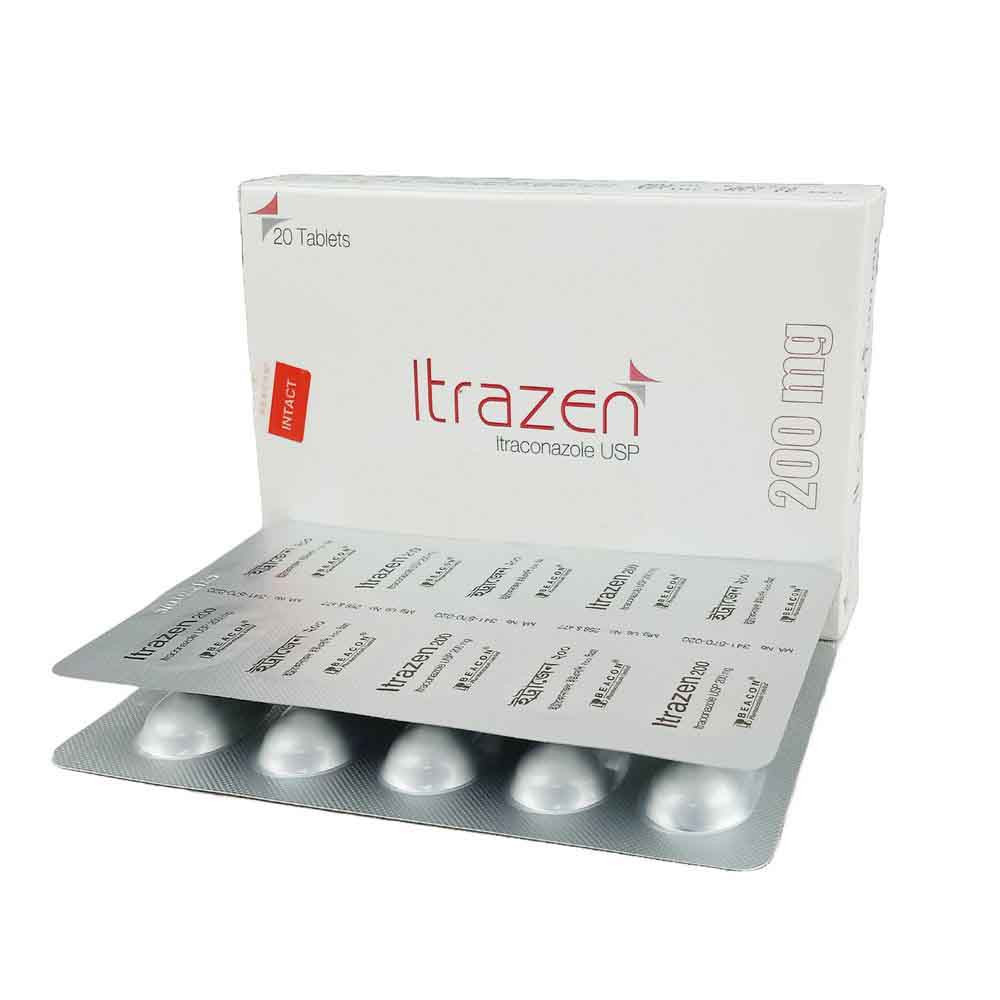
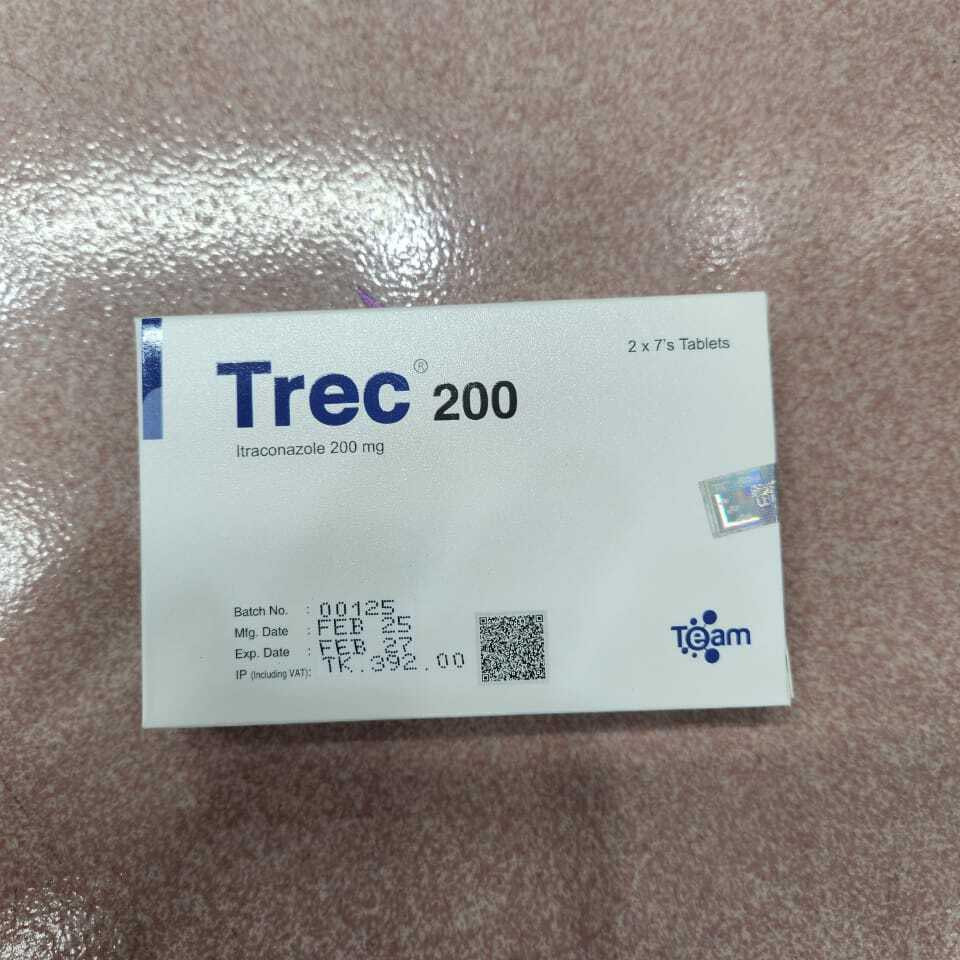
One of the triazole antifungal agents that inhibits cytochrome P-450-dependent enzymes resulting in impairment of ergosterol synthesis. It has been used against histoplasmosis, blastomycosis, cryptococcal meningitis & aspergillosis.
Uses
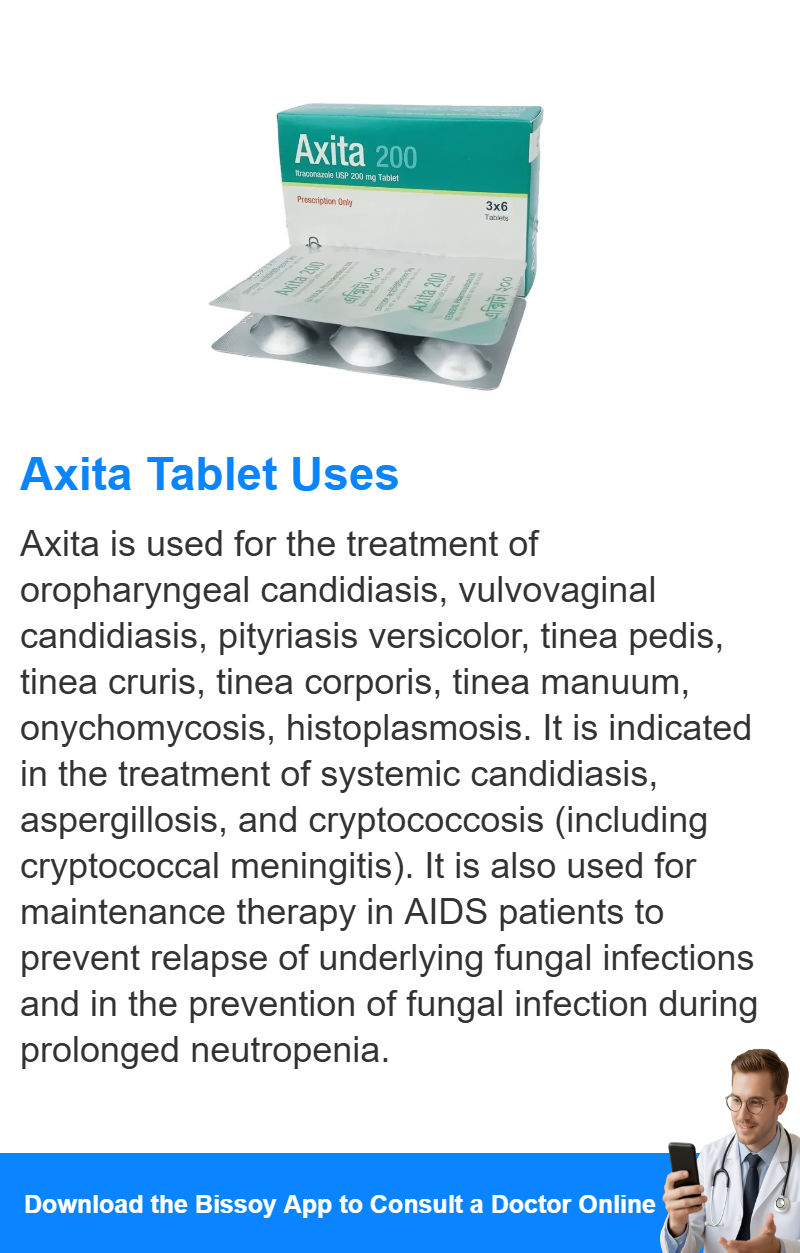
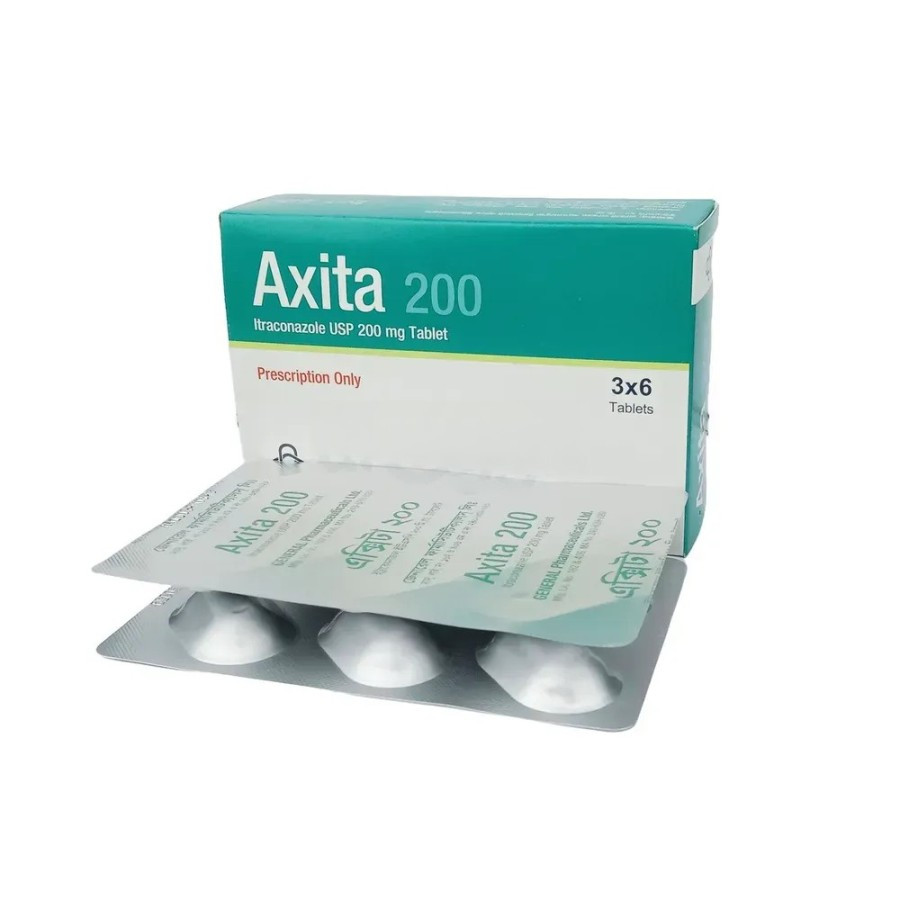
Axita Tablet 200 mg is an antifungal agent used for the treatment of various fungal infections in immunocompromised and non-immunocompromised patients, such as pulmonary and extrapulmonary blastomycosis, histoplasmosis, and onychomycosis.
For the treatment of the following fungal infections in immunocompromised and non-immunocompromised patients: pulmonary and extrapulmonary blastomycosis, histoplasmosis, aspergillosis, and onychomycosis.
Associated Conditions
Pharmacodynamics
Axita Tablet 200 mg is an imidazole/triazole type antifungal agent. Axita Tablet 200 mg is a highly selective inhibitor of fungal cytochrome P-450 sterol C-14 α-demethylation via the inhibition of the enzyme cytochrome P450 14α-demethylase. This enzyme converts lanosterol to ergosterol, and is required in fungal cell wall synthesis. The subsequent loss of normal sterols correlates with the accumulation of 14 α-methyl sterols in fungi and may be partly responsible for the fungistatic activity of fluconazole. Mammalian cell demethylation is much less sensitive to fluconazole inhibition. Axita Tablet 200 mg exhibits in vitro activity against Cryptococcus neoformans and Candida spp. Fungistatic activity has also been demonstrated in normal and immunocompromised animal models for systemic and intracranial fungal infections due to Cryptococcus neoformans and for systemic infections due to Candida albicans.
Mechanism of Action
Axita Tablet 200 mg interacts with 14-α demethylase, a cytochrome P-450 enzyme necessary to convert lanosterol to ergosterol. As ergosterol is an essential component of the fungal cell membrane, inhibition of its synthesis results in increased cellular permeability causing leakage of cellular contents. Axita Tablet 200 mg may also inhibit endogenous respiration, interact with membrane phospholipids, inhibit the transformation of yeasts to mycelial forms, inhibit purine uptake, and impair triglyceride and/or phospholipid biosynthesis.
Absorption
The absolute oral bioavailability of itraconazole is 55%, and is maximal when taken with a full meal.
Volume of Distribution
- 796 ± 185 L
Protein Binding
99.8%
Route of Elimination
Axita Tablet 200 mg is metabolized predominately by the cytochrome P450 3A4 isoenzyme system (CYP3A4) in the liver, resulting in the formation of several metabolites, including hydroxyitraconazole, the major metabolite. Fecal excretion of the parent drug varies between 3-18% of the dose. Renal excretion of the parent drug is less than 0.03% of the dose. About 40% of the dose is excreted as inactive metabolites in the urine. No single excreted metabolite represents more than 5% of a dose.
Half Life
21 hours
Clearance
- 381 +/- 95 mL/minute [IV administration]
Toxicity
No significant lethality was observed when itraconazole was administered orally to mice and rats at dosage levels of 320 mg/kg or to dogs at 200 mg/kg.
Food Interactions
- Avoid grapefruit products.
- Avoid multivalent ions. Calcium, iron, and aluminum containing products taken up to 2 hours before and 6 hours after administration can decrease drug concentrations.
- Take with food.
Dosage
For non-systemic fungal disease-
- Vulvovaginal candidiasis: 200 mg twice daily for 01 day
- Pityriasis versicolor: 200 mg once daily for 07 days
- Tinea corporis, tinea cruris: 100 mg once daily for 15 days or 200 mg once daily for 7 days
- Tinea pedis, tinea manuum: 100 mg once daily for 30 days
- Oropharyngeal candidiasis: 100 mg once daily for 15 days, Increase dose to 200 mg once daily for 15 days in AIDS or neutropenic patients because of impaired absorption in these groups.
- Onychomycosis (toenails with or without fingernail involvement): Either 200 mg daily for 3 months or course (pulse) of 200 mg twice daily for 7 days, subsequent courses repeated after 21 days' interval. Fingernails two courses, toenails three courses.
- Aspergillosis: 200 mg once daily for 2-5 months Increase dose to 200 mg twice daily in case of invasive or disseminated disease
- Candidiasis: 100-200 mg once daily for 3 weeks-7 months. Increase dose to 200 mg twice daily in case of invasive or disseminated disease
- Non-meningeal Cryptococcosis: 200 mg once daily for 10 weeks
- Cryptococcal meningitis: 200 mg twice daily for 2-6 months
- Histoplasmosis: 200 mg once daily twice daily for 8 months
- Maintenance in AIDS: 200 mg once daily until immune recovery
- Prophylaxis in neutropenia: 200 mg once daily until immune recovery
65 mg & 130 mg preparation:
For non-systemic fungal disease-
- Vulvovaginal candidiasis: 130 mg twice daily for 1 day
- Pityriasis versicolor: 65 mg twice daily for 7 days
- Tinea corporis and tinea cruris: 65 mg daily for 15 days OR 65 mg twice daily for 7 days
- Tinea pedis and tinea manuum: 65 mg once daily for 30 days
- Oropharyngeal Candidiasis: 65 mg once daily for 15 days, increase dose to 65 mg twice daily for 15 days in AIDS or neutropenic patients because of impaired absorption in these groups.
- Onychomycosis (toenails with or without fingernail involvement): Either 65 mg twice daily for 3 months or course (pulse) of 130 mg twice daily for 7 days, subsequent courses repeated after 21 days interval. Fingernails two courses, toenails three courses.
- Aspergillosis: 65 mg twice daily for 2-5 months.Increase dose to 130 mg twice daily in case of invasive or disseminated disease
- Candidiasis: 65-130 mg once daily for 3 weeks-7 months. Increase dose to 65 mg twice daily in case of invasive or disseminated disease
- Non-meningeal Cryptococcosis: 65 mg twice daily for 10 weeks
- Cryptococcal meningitis: 130 mg twice daily for 2-6 months
- Histoplasmosis: 130 mg once daily-twice daily for 8 months
- Maintenance in AIDS: 65 mg twice daily until immune recovery
- Prophylaxis in neutropenia: 65 mg twice daily until immune recovery
pediatric use: The efficacy and safety of the Axita Tablet 200 mg capsule have not been established in pediatric patients.