Introduction
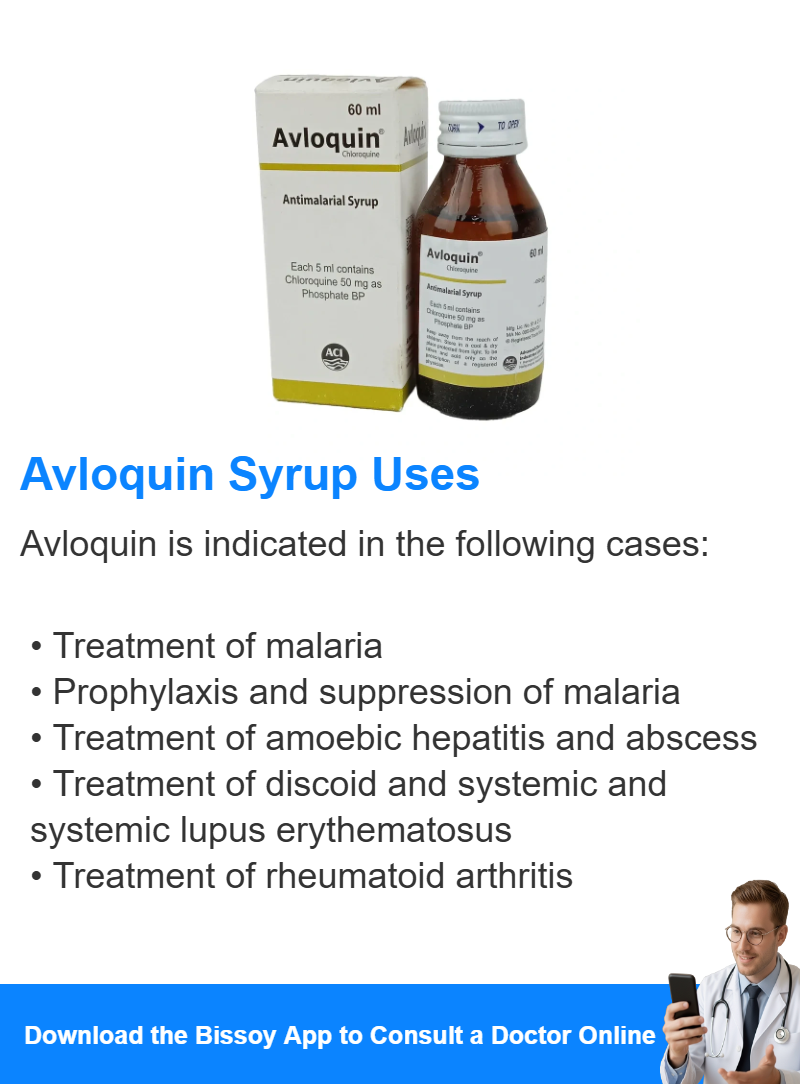
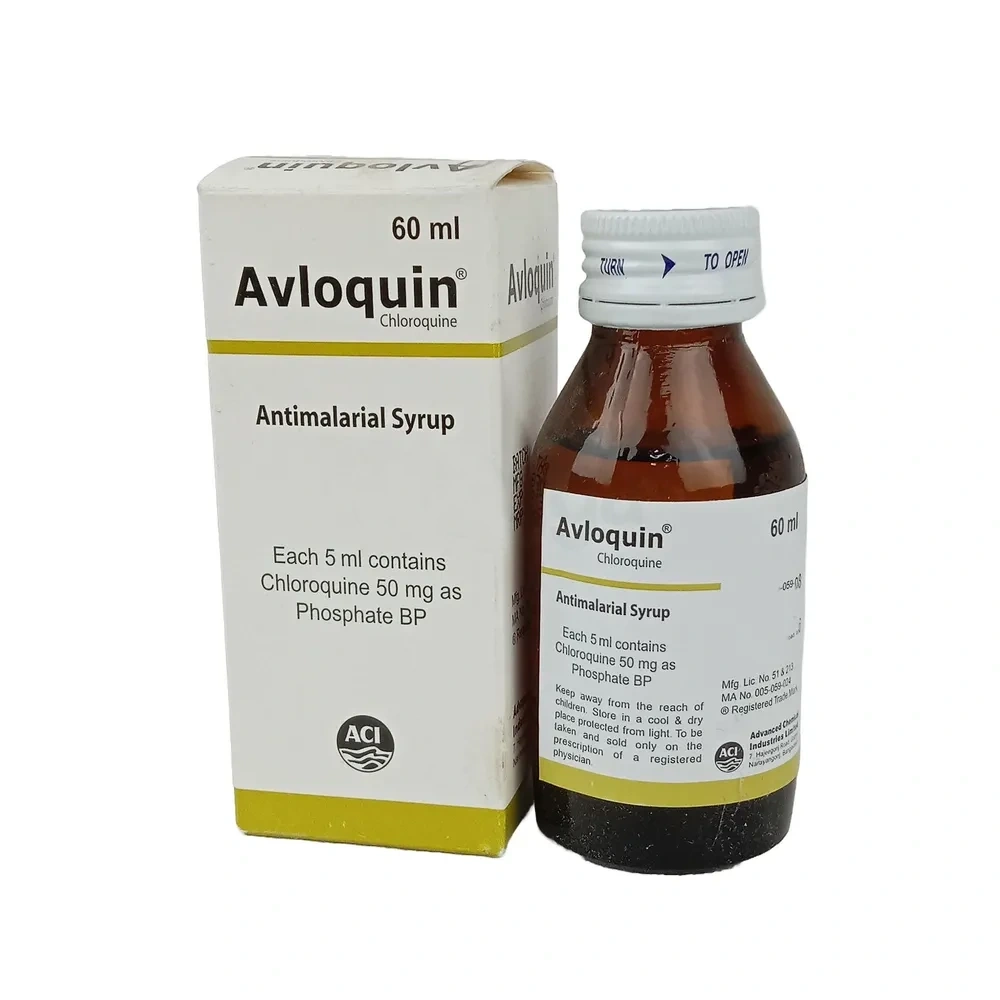
Chloroquine is an aminoquinolone derivative first developed in the 1940s for the treatment of malaria. It was the drug of choice to treat malaria until the development of newer antimalarials such as pyrimethamine, artemisinin, and mefloquine. Chloroquine and its derivative hydroxychloroquine have since been repurposed for the treatment of a number of other conditions including HIV, systemic lupus erythematosus, and rheumatoid arthritis.
Uses
Chloroquine is an antimalarial drug used to treat susceptible infections with P. vivax, P. malariae, P. ovale, and P. falciparum. It is also used for second line treatment for rheumatoid arthritis.
Chloroquine is indicated to treat infections of P. vivax, P. malariae, P. ovale, and susceptible strains of P. falciparum. It is also used to treat extraintestinal amebiasis.
Chloroquine is also used off label for the treatment of rheumatic diseases, as well as treatment and prophylaxis of Zika virus. Chloroquine is currently undergoing clinical trials for the treatment of COVID-19.
Associated Conditions
Pharmacodynamics
Chloroquine inhibits the action of heme polymerase, which causes the buildup of toxic heme in Plasmodium species. It has a long duration of action as the half life is 20-60 days. Patients should be counselled regarding the risk of retinopathy with long term usage or high dosage, muscle weakness, and toxicity in children.
Mechanism of Action
Chloroquine inhibits the action of heme polymerase in malarial trophozoites, preventing the conversion of heme to hemazoin. Plasmodium species continue to accumulate toxic heme, killing the parasite.
Chloroquine passively diffuses through cell membranes and into endosomes, lysosomes, and Golgi vesicles; where it becomes protonated, trapping the chloroquine in the organelle and raising the surrounding pH. The raised pH in endosomes, prevent virus particles from utilizing their activity for fusion and entry into the cell.
Chloroquine does not affect the level of ACE2 expression on cell surfaces, but inhibits terminal glycosylation of ACE2, the receptor that SARS-CoV and SARS-CoV-2 target for cell entry. ACE2 that is not in the glycosylated state may less efficiently interact with the SARS-CoV-2 spike protein, further inhibiting viral entry.
Absorption
Chloroquine oral solution has a bioavailability of 52-102% and oral tablets have a bioavailability of 67-114%. Intravenous chloroquine reaches a Cmax of 650-1300µg/L and oral chloroquine reaches a Cmax of 65-128µg/L with a Tmax of 0.5h.
Volume of Distribution
The volume of distribution of chloroquine is 200-800L/kg.
Protein Binding
Chloroquine is 46-74% bound to plasma proteins. (-)-chloroquine binds more strongly to alpha-1-acid glycoprotein and (+)-chloroquine binds more strongly to serum albumin.
Route of Elimination
Chloroquine is predominantly eliminated in the urine. 50% of a dose is recovered in the urine as unchanged chloroquine, with 10% of the dose recovered in the urine as desethylchloroquine.
Half Life
The half life of chloroquine is 20-60 days.
Clearance
Chloroquine has a total plasma clearance of 0.35-1L/h/kg.
Toxicity
Patients experiencing an overdose may present with headache, drowsiness, visual disturbances, nausea, vomiting, cardiovascular collapse, shock, convulsions, respiratory arrest, cardiac arrest, and hypokalemia. Overdose should be managed with symptomatic and supportive treatment which may include prompt emesis, gastric lavage, and activated charcoal.
Food Interactions
- Take with food. Food reduces irritation and increases bioavailability.
Dosage
For the treatment of acute attack of malaria:
- Adults and children: 25 mg of chloroquine base per kg body-weight given over 3 days. This total dose is given in a variety of ways. One way is to give 10 mg per kg followed after 6 to 8 hours by 5 mg per kg, then 5 mg per kg daily for the next 2 days; alternatively, 10 mg per kg may be given daily for the first 2 days and 5 mg per kg on the 3rd day. Sometimes the adult doses are not expressed in terms of body weight but as 600 mg followed after 6 to 8 hours by 300 mg, then 300 mg daily for the next 2 days.
- Adult: An oral dose equivalent to 300 mg chloroquine base is given every 7 days for about one week before, during, and for at least 4 weeks after exposure.
- Children: A weekly oral dose of 5 mg per kg body-weight has been recommended.
- 600 mg base daily for two days, followed by 300 mg base daily for at least 2-3 weeks. Treatment is usually combined with an effective intestinal amoebicide.
- For discoid and systemic lupus erythematosus: Suggested oral dose is 150 mg of base daily, reducing gradually once symptoms have been controlled.
- Adult: 150 mg of base daily, some clinicians suggest that treatment should be given for only 10 months in each year.
- Children: 3 mg/kg body-weight base daily.
- Adult: 150 to 300 mg of base daily during periods of intense light exposure.
- Children: 3 mg/kg body-weight
- Adult: When chloroquine was first used at this condition at doses of 150 mg to 600 mg of base per day for 4-7 days, a severe life threatening toxic hepatitis developed. Use of low dose therapy with 75 mg of base 2 to 3 times per week for 6 to 18 months can avoid such effects and lead to remission.