Introduction
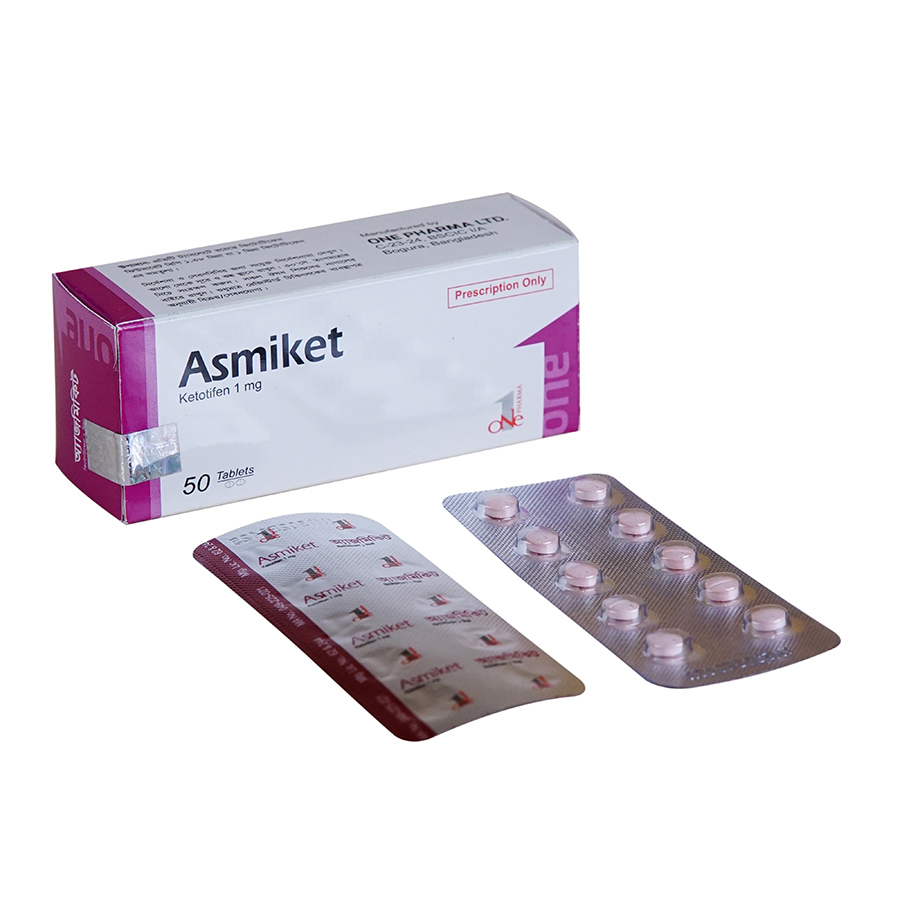
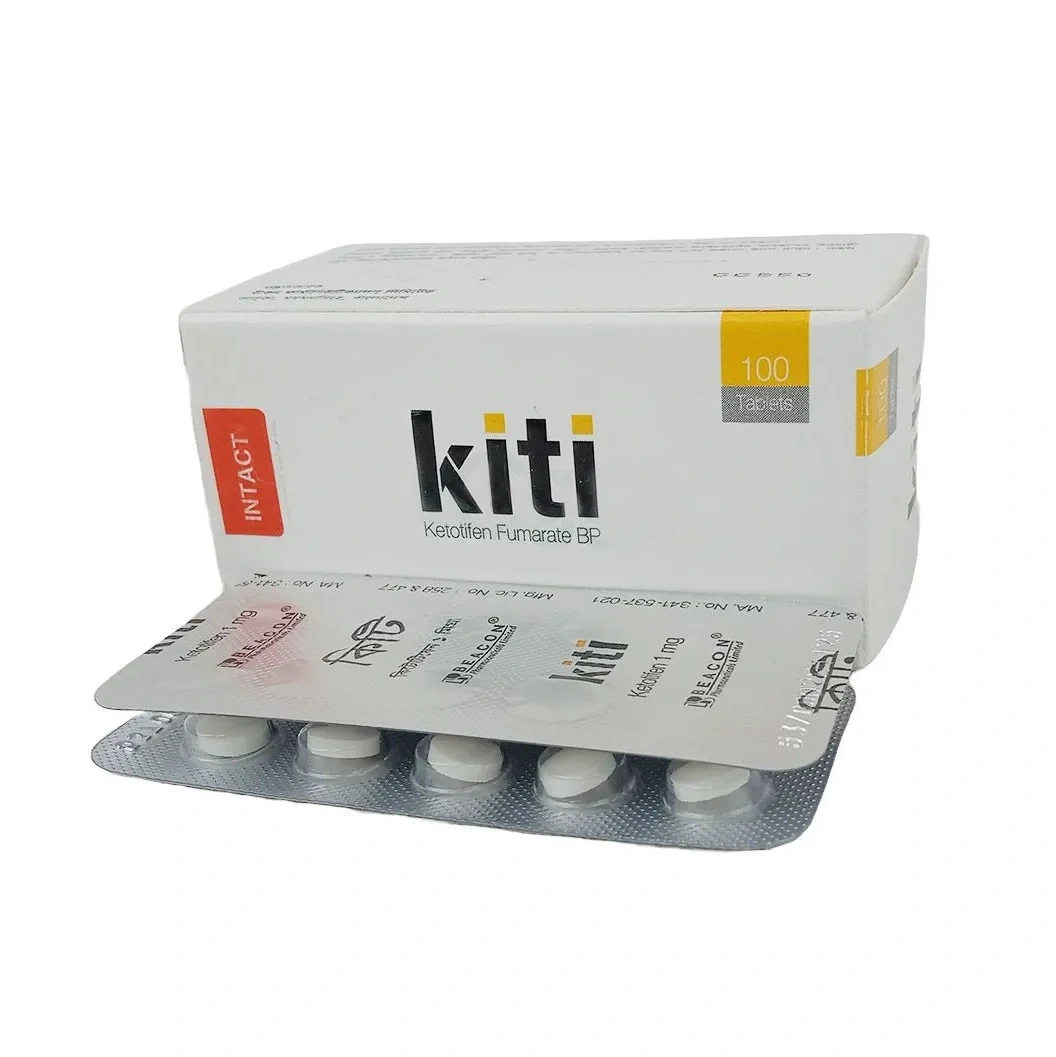
Ketotifen is a benzocycloheptathiophene derivative with potent antihistaminic and mast cell stabilizing properties. It has a similar structure to some other first-generation antihistamines such as cyproheptadine and azatadine.
It used for the treatment of various allergic symptoms and disorders, including urticaria, mastocytosis, and food allergy.
Uses
Ketotifen is a histamine H1 receptor blocker and mast cell stabilizer used to treat mild atopic asthma and allergic conjunctivitis.
Administered orally, ketotifen is indicated as an add-on medication in the chronic treatment of mild atopic asthma in children. It is also available as an over-the-counter ophthalmic solution which is indicated for the temporary prevention of itching of the eye due to allergic conjunctivitis.
Associated Conditions
Pharmacodynamics
Ketotifen is a non-competitive histamine antagonist and mast cell stabilizer. Administered orally, it functions as a non-bronchodilator antiasthmatic drug by inhibiting the effects of endogenous substances known to be inflammatory mediators. While effects can take 6 to 12 weeks to become apparent, the use of ketotifen has been demonstrated to reduce the frequency, severity, and duration of asthma symptoms, and may allow for a reduction in the use of other asthma therapies.
Mechanism of Action
The precise mechanism(s) through which ketotifen exerts its therapeutic effects are unclear. Ketotifen is a potent and non-competitive antagonist of H1 histamine receptors, which is likely to be a significant contributor to its anti-allergic activity. In addition, ketotifen stabilizes mast cells and has demonstrated in vitro the ability to inhibit the release of allergic and inflammatory mediators such as histamine, leukotrienes C4 and D4 (i.e. SRS-A), and platelet-activating factor (PAF).
Other in vivo observations thought to contribute to ketotifen's efficacy in asthma include the inhibition of various PAF-mediated processes (e.g. airway hyperreactivity, eosinophil and platelet accumulation in the airways), prevention of leukotriene-induced bronchoconstriction, and suppression of eosinophil priming.
Absorption
Following oral administration, absorption is relatively quick (with a Tmax of ~3 hours) and nearly complete as judged by plasma concentrations and urinary excretion levels - despite this, oral bioavailability is only ~50% due to a significant first-pass effect in the liver.
Protein Binding
Ketotifen is 75% protein-bound in plasma, though the specific proteins to which it binds are unclear.
Route of Elimination
More than 60% of an administered dose is excreted in the urine, primarily as metabolites - of this material, 5
Half Life
Ketotifen clearance is biphasic - the half-life of the distribution phase is approximately 3-5 hours and the half-life of the elimination phase is 22 hours.
Toxicity
Oral ingestion of up to 60x the recommended dose has been reported, although no fatal overdoses of ketotifen have been described. Symptoms of ketotifen overdosage may include significant sedation, confusion, disorientation, tachycardia, hypotension, convulsions, hyperexcitability (particularly in children), and/or reversible coma. If ingestion is recent, consider the use of gastric lavage or activated charcoal. Other treatments should be supportive and administered as necessary based on symptoms.
Physostigmine may be useful to mitigate anticholinergic effects, and short-acting barbiturates or benzodiazepines may be used if the patient presents with excitation or convulsions.
Food Interactions
- Take with or without food. The co-administration of food does not significantly affect ketotifen disposition.
Dosage
Children above 3 years: 1 mg twice daily with food. Patients known to be easily sedated should begin treatment with 0.5 to 1 mg at night for the first few days or as directed by the physician.
Use in elderly: Same as adult dose or as advised by the physician.