Introduction
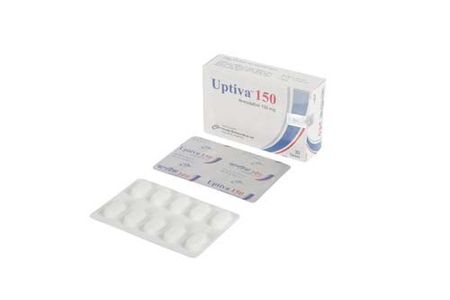
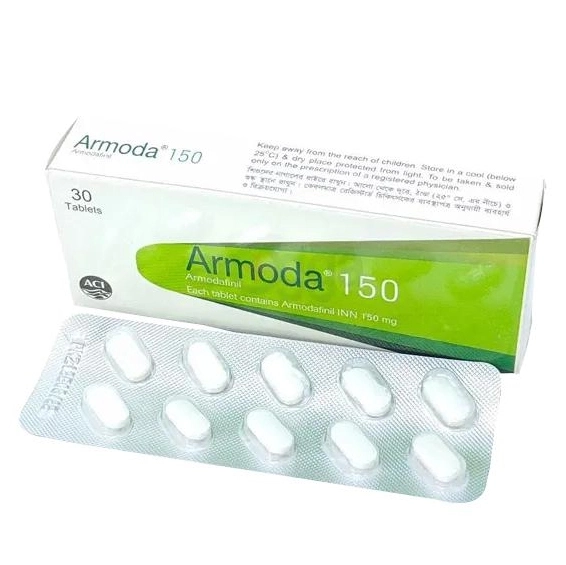
Armoda Tablet 150 mg is a wakefulness-promoting agent used primarily to treat sleep disorders characterized by excessive sleepiness. It is the R-enantiomer of modafinil, which means it is a more refined version of the same compound. Armoda Tablet 150 mg is known for its cognitive-enhancing properties and is used to improve wakefulness in patients with conditions such as narcolepsy, obstructive sleep apnea, and shift work disorder.
Uses
Armoda Tablet 150 mg is used for:
- Treating excessive daytime sleepiness associated with narcolepsy.
- Managing excessive sleepiness due to obstructive sleep apnea (OSA) when used alongside standard treatment.
- Improving wakefulness in individuals with shift work disorder who experience sleepiness during waking hours.
| Brand Name | Armoda |
|---|---|
| Type | Tablet |
| Weight | 150 mg |
| Generic | Armodafinil |
| Manufacturer | ACI Limited |
| Available in | English বাংলা |
Mechanism of Action
Armoda Tablet 150 mg is believed to work by increasing the levels of certain neurotransmitters in the brain, including dopamine, norepinephrine, and histamine, which promote wakefulness and cognitive function. The exact mechanism of how it promotes wakefulness is not fully understood but is thought to involve the inhibition of dopamine reuptake.
How Long Does It Take to Work?
Armoda Tablet 150 mg typically starts to work within 1 to 2 hours after oral administration. The peak effect is usually observed around 2-4 hours post-dose, with its wakefulness-promoting effects lasting up to 12-15 hours.
Absorption
Armoda Tablet 150 mg is well absorbed from the gastrointestinal tract following oral administration. It reaches peak plasma concentrations within 2 hours, and its absorption is not significantly affected by food intake.
Route of Elimination
Armoda Tablet 150 mg is primarily metabolized by the liver and eliminated through the kidneys. Its metabolites are excreted in the urine, with a small portion also excreted in the feces.
Dosage
Adults:- Obstructive Sleep Apnea & Narcolepsy: 150 mg to 250 mg as a single dose in the morning.
- Shift Work Disorder: 150 mg as a single dose approximately 1 hour prior to the start of work shift.
Elderly: In elderly patients, elimination of Armodafinil and its metabolites may be reduced as a consequence of aging. Therefore, consideration should be given to the use of lower doses and close monitoring in this population.
The typical dosage for armodafinil is:
- For narcolepsy and obstructive sleep apnea: 150-250 mg once daily in the morning.
- For shift work disorder: 150 mg taken approximately 1 hour prior to the start of the work shift.
Administration
Armoda Tablet 150 mg is administered orally, usually in the form of tablets. It should be taken with a full glass of water, with or without food, and the dosage should be adhered to as prescribed by a healthcare provider.
Side Effects
Common side effects include:
- Headache
- Nausea
- Dizziness
- Insomnia
- Dry mouth
- Severe allergic reactions
- Skin rash
- Chest pain
Toxicity
Symptoms of armodafinil overdose may include severe headaches, nausea, agitation, and hallucinations. In cases of suspected overdose, seek immediate medical attention.
Precautions
Precautions include:
- Monitoring for signs of severe skin reactions or allergic reactions.
- Use with caution in individuals with a history of cardiovascular disease or hypertension.
- Regular monitoring of mood and mental status, particularly in individuals with a history of psychiatric disorders.
Interaction
Armoda Tablet 150 mg may interact with:
- Certain anticonvulsants, such as carbamazepine or phenytoin.
- Oral contraceptives, potentially reducing their effectiveness.
- Medications metabolized by the liver's cytochrome P450 enzymes, such as some antiretrovirals and anticoagulants.
Disease Interaction
Use armodafinil with caution in individuals with:
- Cardiovascular disease or hypertension.
- Liver or kidney impairment.
- Psychiatric disorders, including a history of depression or mania.
Drug Interaction
Drug interactions may occur with:
- Medications that induce or inhibit liver enzymes, affecting armodafinil levels.
- Other central nervous system stimulants, potentially enhancing stimulant effects.
Food Interactions
Armoda Tablet 150 mg's absorption is not significantly affected by food, but it should be taken consistently in relation to meals to maintain steady drug levels in the body.
Pregnancy Use
Armoda Tablet 150 mg should be used during pregnancy only if the potential benefits outweigh the risks. It is categorized as a Category C drug, meaning animal studies have shown adverse effects, but there are no well-controlled studies in pregnant women.
Lactation Use
Armoda Tablet 150 mg is excreted in breast milk, and its effects on a nursing infant are unknown. Use with caution and consult a healthcare provider to discuss the risks and benefits before using it while breastfeeding.
Acute Overdose
In cases of acute overdose, symptoms may include severe agitation, insomnia, hallucinations, and cardiovascular symptoms. Immediate medical intervention is required to manage and treat the overdose effectively.
Contraindication
Armoda Tablet 150 mg is contraindicated in individuals with:
- Known hypersensitivity to armodafinil or modafinil.
- Severe liver impairment.
Use Direction
Follow the prescribed dosage instructions carefully. Take the tablet orally with a full glass of water, preferably in the morning for daytime sleep disorders, or approximately 1 hour before the shift for shift work disorder.
Storage Conditions
Store armodafinil at room temperature, away from moisture and direct sunlight. Keep out of reach of children and follow any additional storage instructions provided with the medication.
Volume of Distribution
The volume of distribution for armodafinil is not explicitly detailed in standard references, but it is distributed throughout the body after oral administration.
Half Life
The elimination half-life of armodafinil is approximately 12-15 hours, allowing for once-daily dosing.
Clearance
Armoda Tablet 150 mg is cleared primarily through the liver, with its metabolites excreted in the urine. Clearance rates can vary based on individual metabolic rates and liver function.
See in details version Armoda Tablet 150 mg also Armoda Tablet 150 mg in bangla
Social card

Some Frequently Asked Questions About Armoda Tablet 150 mg

Prof. Dr. Khandoker Ziaul Islam Zia
Glaucoma, Phaco, Laser & Vitreo-Retina Specialist Surgeon