Introduction
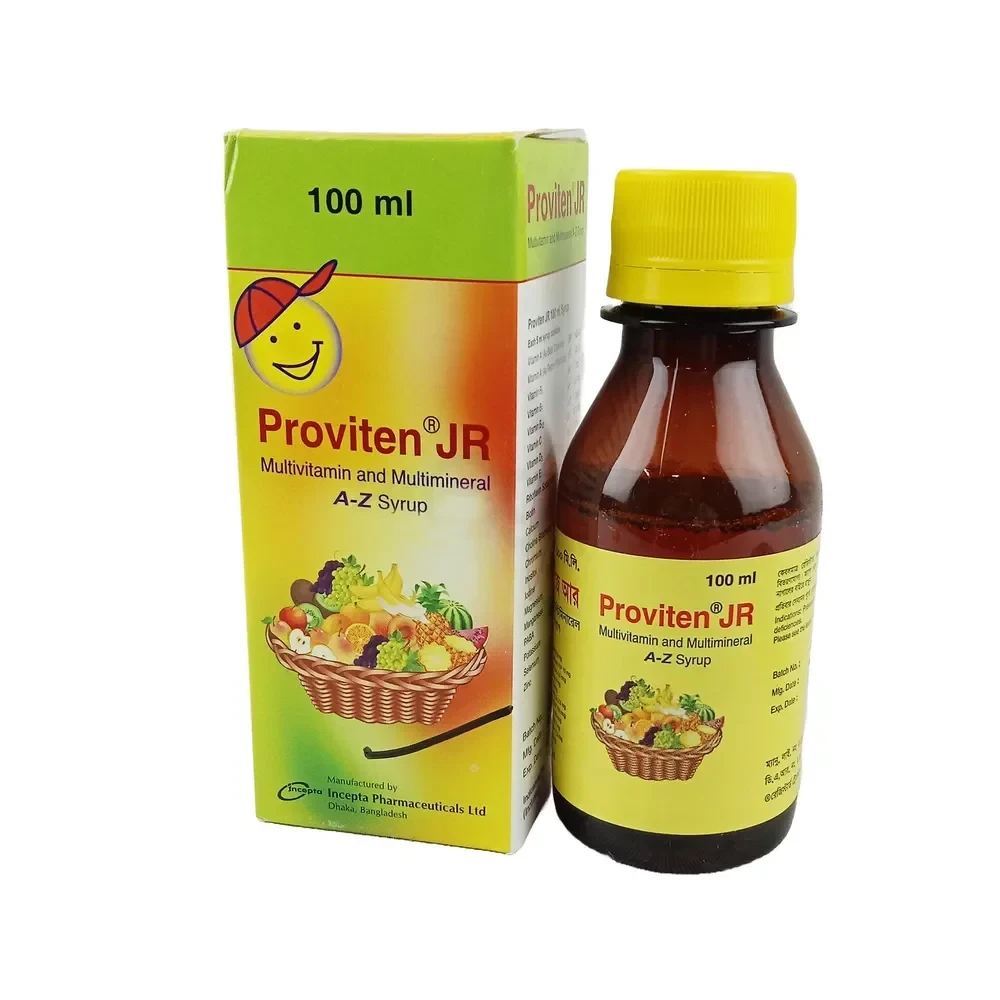
Multivitamin and multimineral preparations designed for juniors, such as A-Z juniors syrup, are formulated to provide essential vitamins and minerals to support healthy growth and development in children. These supplements are often used to fill dietary gaps and ensure children receive adequate nutrients.
Uses
A-Z juniors syrup is used to:
- Support overall health and well-being in children.
- Enhance growth and development by providing essential vitamins and minerals.
- Address potential nutrient deficiencies in a child's diet.
- Support immune function, bone health, and cognitive development.
Mechanism of Action
The vitamins and minerals in A-Z juniors syrup work by supporting various physiological functions. Vitamins such as A, C, and D contribute to immune function, vision, and bone health. B vitamins aid in energy production and cognitive development. Essential minerals like calcium and iron are vital for bone growth and blood health. The combination of these nutrients helps to maintain overall health and support normal development in children.
How Long Does It Take to Work?
The benefits of multivitamin and multimineral syrup may be observed over several weeks of consistent use. Improvements in overall health, energy levels, and possibly even cognitive function can become noticeable as the body begins to utilize the nutrients provided.
Absorption
The nutrients in A-Z juniors syrup are absorbed through the gastrointestinal tract. Water-soluble vitamins (such as B vitamins and vitamin C) are absorbed directly into the bloodstream, while fat-soluble vitamins (A, D, E, and K) require dietary fats for optimal absorption. Minerals are also absorbed in the intestines and then utilized by the body.
Route of Elimination
Excess water-soluble vitamins are typically excreted through the urine. Fat-soluble vitamins are stored in the liver and adipose tissue, gradually released as needed. Minerals are excreted through urine and feces, with excess amounts being managed by the kidneys and gastrointestinal system.
Dosage
The dosage of A-Z juniors syrup depends on the specific formulation and the child's age. Typical dosages are:
- For children aged 1-3 years: 5-10 ml per day.
- For children aged 4-8 years: 10-15 ml per day.
- For children aged 9-13 years: 15-20 ml per day.
Always follow the dosage instructions provided by the manufacturer or consult a healthcare provider.
Administration
A-Z juniors syrup is administered orally. It can be taken directly or mixed with a small amount of water or juice to improve taste and ease of consumption.
Side Effects
Side effects are rare but may include:
- Gastrointestinal discomfort, such as nausea or upset stomach.
- Allergic reactions in sensitive individuals.
Toxicity
Excessive intake of vitamins and minerals can lead to toxicity. For instance:
- Vitamin A: High doses can cause nausea, headache, and liver damage.
- Vitamin D: Excessive amounts can lead to hypercalcemia, resulting in nausea and kidney damage.
- Iron: Overdose can cause gastrointestinal distress and more severe health issues.
Adhere to recommended dosages to avoid toxicity.
Precautions
Precautions include:
- Consulting a healthcare provider before starting any new supplement, especially if the child has pre-existing health conditions or is taking other medications.
- Monitoring for any adverse reactions and adjusting dosage as needed.
Interaction
Multivitamin and multimineral supplements may interact with certain medications. For example, high doses of vitamin C can affect the absorption of some medications. Always discuss potential interactions with a healthcare provider.
Disease Interaction
Use with caution in children with certain health conditions, such as kidney disease or liver disorders, which may affect the metabolism of vitamins and minerals.
Drug Interaction
Interactions with medications may occur. For instance:
- Iron can interfere with the absorption of certain antibiotics.
- Calcium can affect the absorption of some medications, including certain antibiotics and thyroid medications.
Consult a healthcare provider about any potential drug interactions.
Food Interactions
Taking the syrup with food can enhance the absorption of fat-soluble vitamins. However, certain foods, such as those high in calcium, might affect the absorption of other minerals and vitamins if consumed in excess.
Pregnancy Use
A-Z juniors syrup is not intended for use during pregnancy. Pregnant women should use prenatal vitamins specifically formulated for their needs, and consult their healthcare provider for appropriate supplementation.
Lactation Use
Consult a healthcare provider before using A-Z juniors syrup while breastfeeding. Nutritional needs during lactation may differ, and specific supplements may be recommended.
Acute Overdose
In the case of acute overdose, symptoms may include gastrointestinal distress, nausea, or more severe reactions depending on the specific vitamins or minerals involved. Seek medical attention immediately if overdose is suspected.
Contraindication
Contraindications include known allergies to any of the ingredients. Consult a healthcare provider if the child has any health conditions or is taking other supplements or medications.
Use Direction
Follow the product's specific instructions for use, including recommended dosage and administration guidelines. Generally, administer with meals to enhance absorption and reduce gastrointestinal discomfort.
Storage Conditions
Store A-Z juniors syrup in a cool, dry place, away from direct sunlight and moisture. Follow any additional storage instructions provided by the manufacturer to maintain product efficacy.
Volume of Distribution
The volume of distribution for the nutrients in A-Z juniors syrup varies by individual vitamin and mineral. Generally, vitamins are distributed throughout body tissues, while minerals are distributed according to their specific functions in the body.
Half Life
The half-life of vitamins and minerals can vary. Water-soluble vitamins are typically excreted more rapidly, while fat-soluble vitamins are stored in body tissues and released more slowly.
Clearance
Vitamins and minerals are cleared through various pathways. Water-soluble vitamins are cleared via urine, while fat-soluble vitamins are managed by liver and fat tissues. Minerals are excreted through urine and feces, with clearance depending on kidney function and metabolism.