Introduction
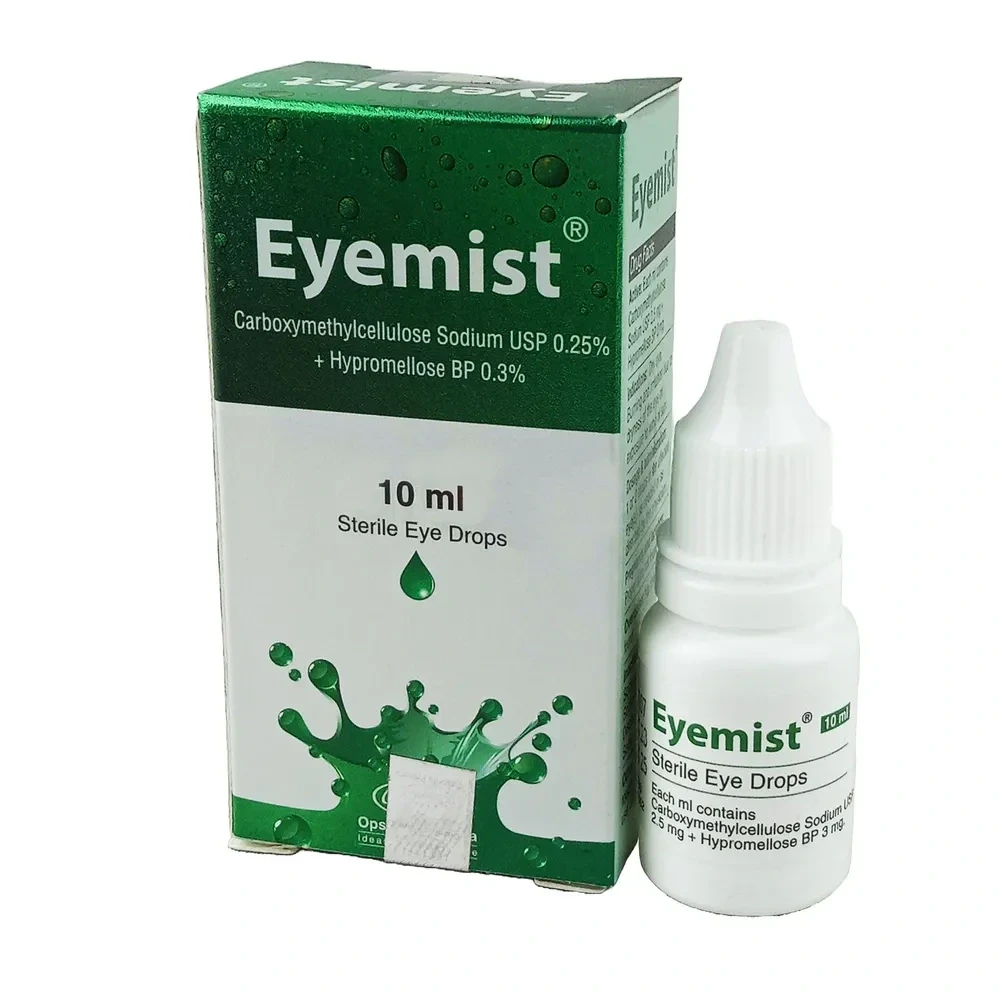
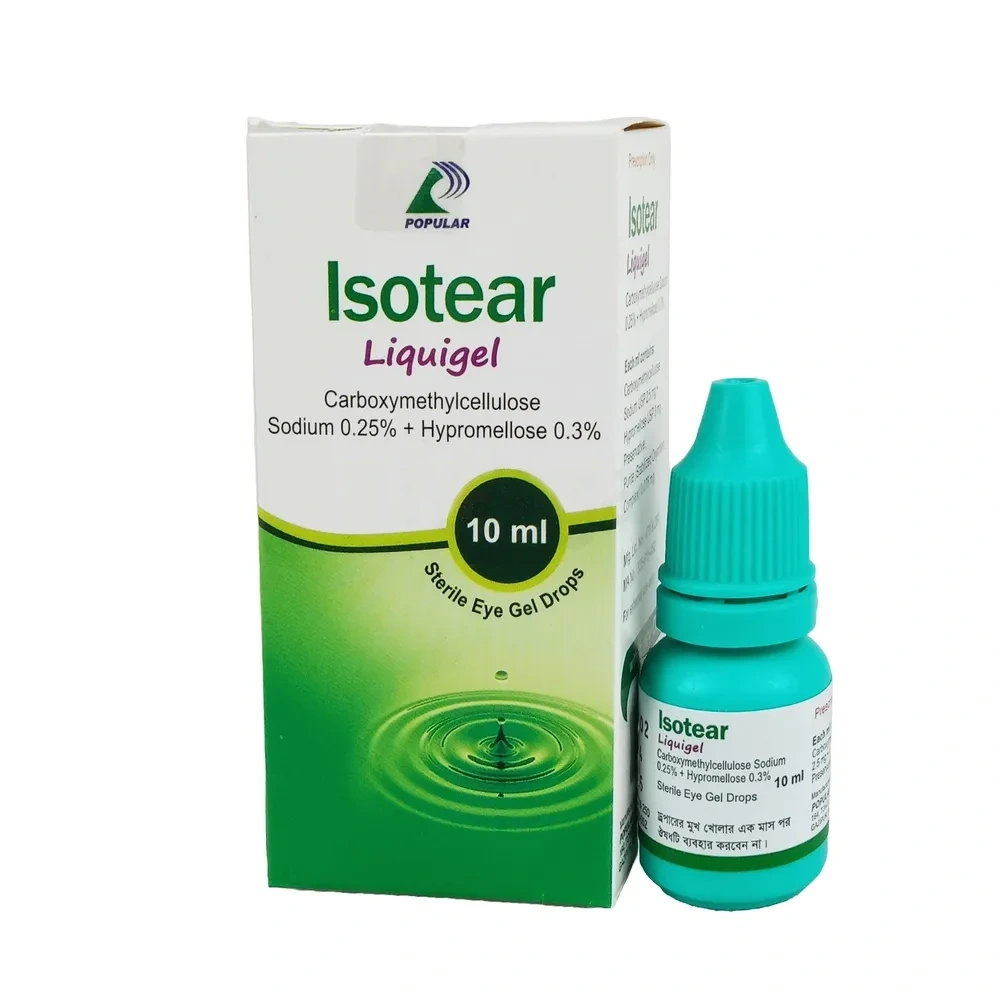
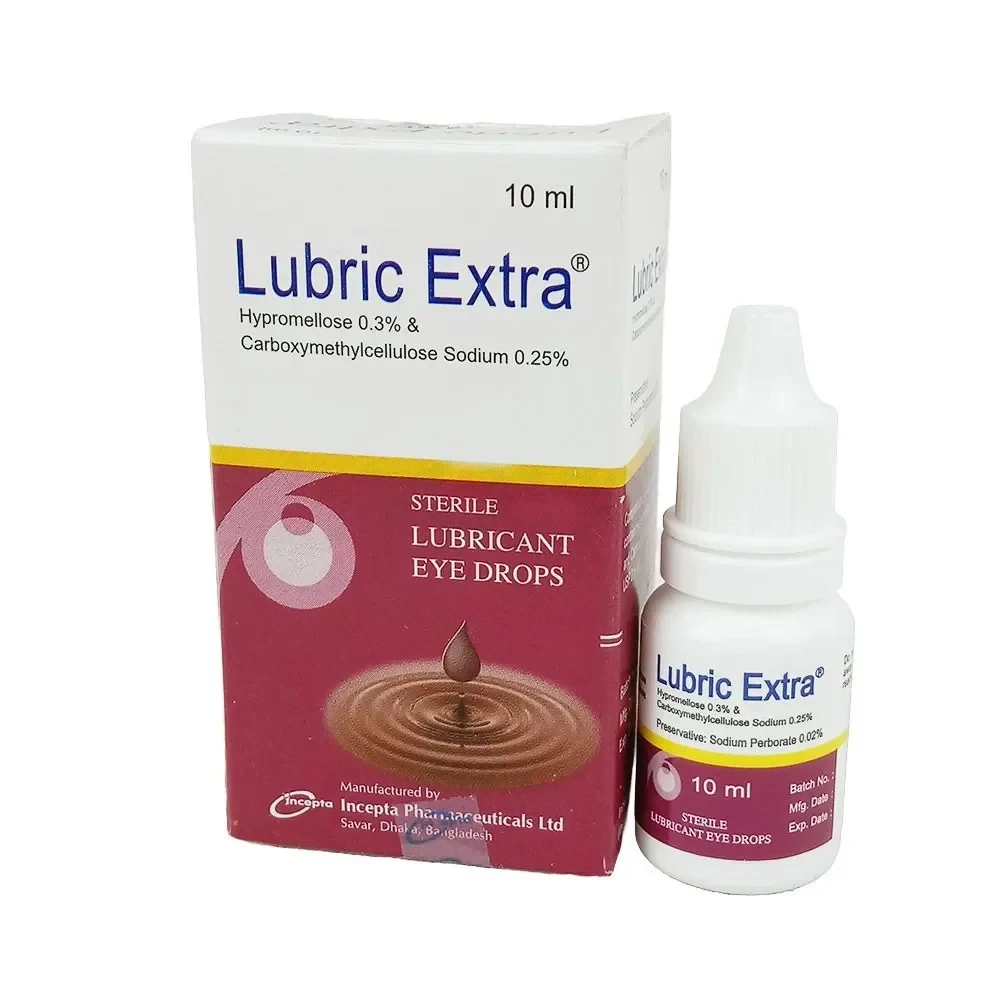
Carboxymethylcellulose Sodium and Hypromellose are commonly used in ophthalmic preparations to provide lubrication and relief from dry eyes. These compounds are found in artificial tears and other lubricating eye drops. Carboxymethylcellulose Sodium is a highly viscous polymer that mimics the mucous layer of the tear film, while Hypromellose (also known as hydroxypropyl methylcellulose) is a nonionic polymer that helps stabilize the tear film by increasing its viscosity. Together, they provide moisture, relieve irritation, and protect the eye's surface.
Uses
This combination is primarily used for:
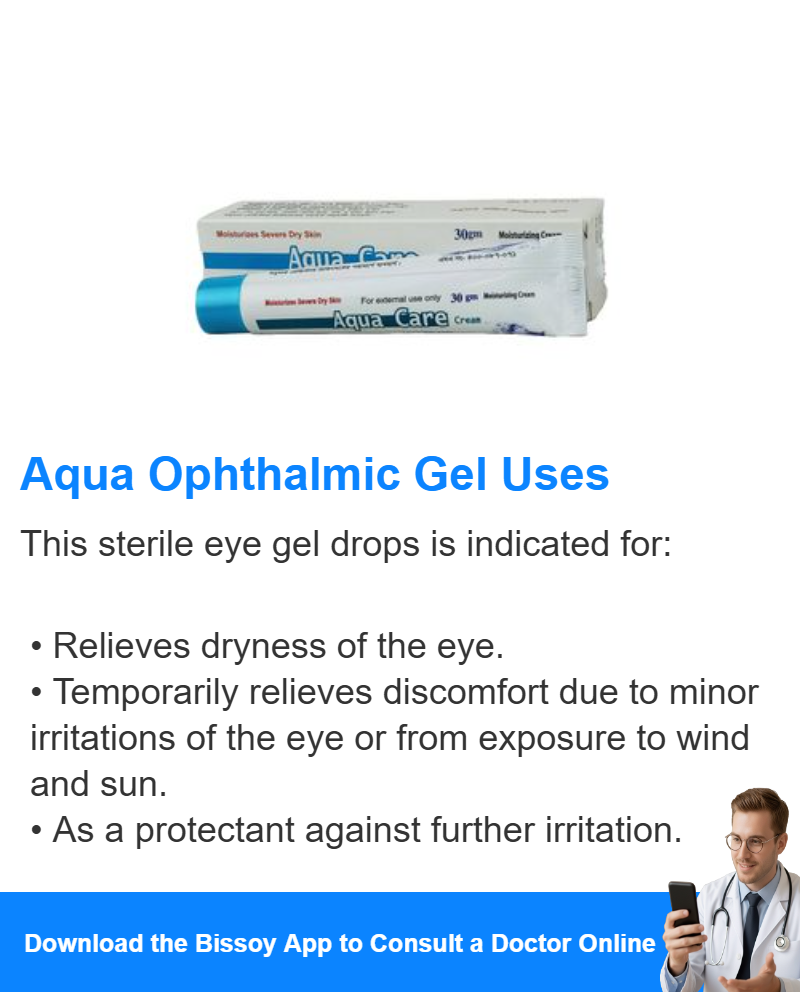
- Relief from dry eyes caused by environmental factors (e.g., wind, dust, or air conditioning)
- Relief from symptoms of eye irritation or discomfort
- Lubricating and moistening the eyes in patients with reduced tear production or chronic dry eye conditions
- Providing moisture during eye surgeries or medical procedures
Mechanism of Action
Carboxymethylcellulose Sodium and Hypromellose work by mimicking the natural components of tears, which helps to hydrate, lubricate, and protect the surface of the eye. Carboxymethylcellulose Sodium binds to the ocular surface and provides prolonged moisture retention, reducing the evaporation of the tear film. Hypromellose increases the viscosity of the eye drops, providing a protective barrier on the eye surface and maintaining hydration for a longer duration.
How Long Does It Take to Work?
Carboxymethylcellulose Sodium and Hypromellose start working almost immediately upon instillation in the eyes. Relief from dryness, irritation, and discomfort is typically felt within minutes after application. The duration of relief can vary depending on the severity of dry eye symptoms and environmental factors, with effects lasting from several hours to longer.
Absorption
These compounds are designed for topical use and are not intended to be absorbed systemically. The majority of Carboxymethylcellulose Sodium and Hypromellose remains on the surface of the eye and is eliminated through natural tear drainage. Minimal absorption into the bloodstream occurs, making them safe for use in most patients.
Route of Elimination
Carboxymethylcellulose Sodium and Hypromellose are eliminated primarily via the tear film and natural tear drainage pathways. They are excreted through the nasolacrimal duct into the nasal cavity and eventually swallowed. Systemic absorption, if any, is negligible, and the compounds are eliminated without metabolic processing.
Dosage
Instill one or two drops in the affected eye(s) as needed.The typical dosage is:
- Instill 1-2 drops into the affected eye(s) as needed for relief of dryness and irritation
In cases of severe dry eye, the eye drops may be used more frequently, up to several times per day. Always follow the recommended dosage instructions provided by a healthcare professional or the product label.
Administration
Aqua Ophthalmic Gel 0.25%+0.3% is administered topically as eye drops. The patient should tilt their head back, pull down the lower eyelid to create a small pocket, and instill 1-2 drops into the eye. After instillation, the eyes should be closed for a few moments to allow the solution to spread evenly across the eye surface. Care should be taken to avoid touching the dropper tip to any surface to prevent contamination.
Side Effects
Common side effects include:
- Mild stinging or irritation immediately after application
- Temporary blurred vision
- Increased eye dryness in rare cases
Most side effects are mild and temporary. However, if serious side effects such as persistent eye pain, redness, or changes in vision occur, medical attention should be sought.
Toxicity
Carboxymethylcellulose Sodium and Hypromellose are generally considered safe with very low toxicity when used as directed. Overuse or improper use may lead to excessive accumulation of the product in the eyes, causing temporary blurred vision or discomfort, but these effects resolve once normal usage resumes.
Precautions
Precautions should be taken for patients with:
- Severe eye infections or conditions requiring medical treatment
- Allergies to any of the ingredients in the eye drops
- Patients who wear contact lenses (they should consult their eye doctor before use)
These eye drops are generally safe for most patients, but patients with severe or persistent eye conditions should consult an eye specialist.
Interaction
Carboxymethylcellulose Sodium and Hypromellose eye drops generally have low interaction potential with other medications. However, when used concurrently with other eye medications, it's recommended to wait at least 5 minutes between applications of different eye drops to prevent dilution or interference with absorption.
Disease Interaction
There are no significant disease interactions reported with Aqua Ophthalmic Gel 0.25%+0.3%. However, patients with chronic or severe eye conditions such as glaucoma or eye infections should consult their healthcare provider before use.
Drug Interaction
There are no known systemic drug interactions with Aqua Ophthalmic Gel 0.25%+0.3% due to their minimal systemic absorption. However, patients using other topical eye medications should space out their usage to avoid interactions and ensure proper absorption.
Food Interactions
No significant food interactions are known for this combination. Since the medication is used topically, it does not interact with food or dietary habits.
Pregnancy Use
Carboxymethylcellulose Sodium and Hypromellose are generally considered safe for use during pregnancy as they have minimal systemic absorption. However, pregnant women should consult their healthcare provider before using these products to ensure safety for both mother and baby.
Lactation Use
These eye drops are safe to use while breastfeeding, as systemic absorption is minimal and they are unlikely to pass into breast milk. However, it is always recommended to consult a healthcare provider before using any medications during breastfeeding.
Acute Overdose
An acute overdose of Carboxymethylcellulose Sodium and Hypromellose is unlikely due to their low toxicity and limited systemic absorption. Overuse may cause temporary eye discomfort or blurred vision, which resolves after discontinuation or reduction of usage. In rare cases of ingestion, the patient should seek medical attention, although severe toxicity is not expected.
Contraindication
Contraindications for the use of Aqua Ophthalmic Gel 0.25%+0.3% include:
- Known hypersensitivity or allergy to any component of the formulation
- Patients with active eye infections who require specific medical treatments
Use Direction
For dry eye relief, instill 1-2 drops into the affected eye(s) as needed. The frequency of administration can vary depending on the severity of symptoms, but the drops are generally safe for frequent use throughout the day. Care should be taken to avoid contaminating the dropper tip.
Storage Conditions
Store the eye drops at room temperature, away from direct sunlight and heat. Do not freeze the solution. Ensure the bottle is tightly closed when not in use, and avoid using the product past its expiration date. Keep out of reach of children.
Volume of Distribution
Due to minimal systemic absorption, the volume of distribution is not relevant for Carboxymethylcellulose Sodium and Hypromellose. These compounds act locally on the eye surface and do not distribute significantly within the body.
Half-Life
The half-life of Carboxymethylcellulose Sodium and Hypromellose in the tear film is relatively short due to the natural turnover of tears and tear drainage. Reapplication is usually required every few hours to maintain moisture and lubrication.
Clearance
Carboxymethylcellulose Sodium and Hypromellose are cleared through the tear drainage system into the nasal cavity and eventually swallowed. Systemic clearance is minimal due to the low absorption of these topical agents.