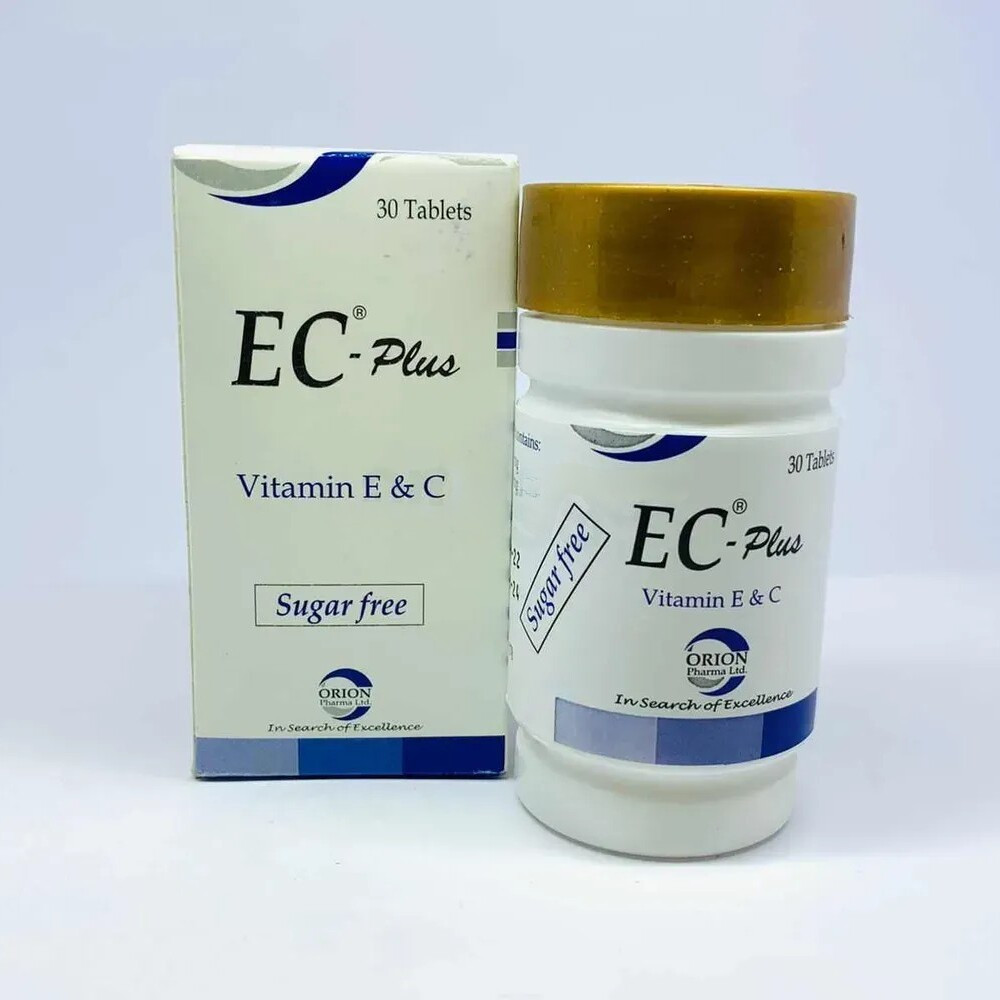
Introduction
Vitamin C (ascorbic acid) and Vitamin E (alpha-tocopherol) are essential nutrients that play vital roles in maintaining health. Both are antioxidants that help protect cells from damage caused by free radicals. They are often used together in dietary supplements to enhance their antioxidant effects.
Uses
Vitamin C and Vitamin E are used for various health benefits:
- Boosting the immune system.
- Protecting against oxidative stress and free radical damage.
- Supporting skin health and reducing signs of aging.
- Enhancing wound healing.
- Reducing the risk of chronic diseases such as cardiovascular disease.
Mechanism of Action
Vitamin C acts as a water-soluble antioxidant, neutralizing free radicals in aqueous environments. It also plays a crucial role in collagen synthesis, which is important for skin, blood vessels, and connective tissue health. Vitamin E, a fat-soluble antioxidant, protects cell membranes from oxidative damage by neutralizing free radicals in lipid environments. Together, these vitamins provide comprehensive antioxidant protection.
How Long Does It Take to Work?
The effects of Vitamin C and Vitamin E can be noticed relatively quickly, often within a few weeks of consistent supplementation. For improvements in immune function and skin health, changes might become evident within 2 to 4 weeks of regular intake.
Absorption
Vitamin C is absorbed in the small intestine, with a higher absorption rate at lower doses. Vitamin E is absorbed through the intestinal tract with the help of dietary fats. Both vitamins' absorption can be influenced by factors such as diet and the presence of other nutrients.
Route of Elimination
Vitamin C is excreted primarily through the urine as metabolites. Excess amounts are also eliminated through feces. Vitamin E is metabolized in the liver and then excreted in bile and feces.
Dosage
One tablet or capsule daily or as directed by a physician.Recommended dosages vary based on individual needs and health conditions:
- Vitamin C: Generally, 75-90 mg per day for adults. Higher doses may be used therapeutically or for specific conditions.
- Vitamin E: Typically, 15 mg (22.4 IU) per day for adults. Dosages can be adjusted based on health needs and conditions.
Administration
Both vitamins are available in various forms including tablets, capsules, powders, and liquid supplements. They can be taken orally, with or without food. The specific form and dosage depend on individual health needs and recommendations from healthcare providers.
Side Effects
Vitamin C is generally well-tolerated, but high doses may cause gastrointestinal discomfort, such as diarrhea or stomach cramps. Vitamin E is also safe in recommended doses, but excessive intake can lead to bleeding disorders and increased risk of hemorrhage.
Toxicity
Vitamin C toxicity is rare but can occur with very high doses, leading to kidney stones or gastrointestinal issues. Vitamin E toxicity is uncommon but can cause bleeding problems, especially if taken in excessive amounts or in combination with other anticoagulants.
Precautions
Both vitamins should be used with caution in individuals with certain conditions:
- Individuals with kidney disease should monitor Vitamin C intake due to the risk of kidney stones.
- Vitamin E should be used cautiously in people taking blood-thinning medications or with bleeding disorders.
Interaction
Vitamin C and Vitamin E can interact with certain medications and supplements. For instance, high doses of Vitamin C may affect the absorption of some medications, while Vitamin E may enhance the effects of anticoagulants.
Disease Interaction
Patients with chronic diseases such as diabetes or cardiovascular conditions should consult healthcare providers before starting high-dose Vitamin C or Vitamin E supplements. These vitamins might interact with disease-specific treatments or exacerbate certain conditions.
Drug Interaction
Vitamin C may interact with medications such as oral contraceptives and certain cancer treatments. Vitamin E can interact with anticoagulants, potentially increasing bleeding risk. Always inform healthcare providers of all supplements being taken.
Food Interactions
Vitamin C is found in fruits and vegetables, while Vitamin E is found in nuts, seeds, and vegetable oils. Consuming a balanced diet can help maintain adequate levels of both vitamins. Excessive intake of supplements should be monitored to avoid imbalances or interactions.
Pregnancy Use
Both vitamins are generally considered safe during pregnancy at recommended doses. Vitamin C and Vitamin E are important for fetal development and maternal health. High doses should be avoided unless specifically recommended by a healthcare provider.
Lactation Use
Vitamin C and Vitamin E are important during lactation for both maternal health and breast milk quality. Recommended doses should be followed, and excessive supplementation should be avoided unless advised by a healthcare provider.
Acute Overdose
Acute overdose of Vitamin C might cause gastrointestinal upset, while excessive Vitamin E intake could lead to bleeding issues. In case of overdose, seek medical advice promptly.
Contraindication
There are no absolute contraindications for Vitamin C and Vitamin E when used at recommended doses. However, caution is advised for individuals with certain medical conditions or those taking specific medications.
Use Direction
Follow the dosage recommendations provided by healthcare providers or as indicated on the supplement packaging. Do not exceed the recommended daily intake without medical advice.
Storage Conditions
Store Vitamin C and Vitamin E supplements in a cool, dry place, away from direct sunlight and moisture. Ensure containers are tightly sealed to maintain product stability.
Volume of Distribution
The volume of distribution for Vitamin C is high, as it distributes widely throughout body tissues. Vitamin E, being fat-soluble, has a more restricted distribution, primarily in fatty tissues and cell membranes.
Half Life
The half-life of Vitamin C is approximately 8 to 40 minutes in the blood, with a more variable duration in tissues. Vitamin E has a longer half-life, approximately 13 to 20 hours, depending on its form and tissue distribution.
Clearance
Vitamin C is primarily cleared through the kidneys, with excess amounts excreted in the urine. Vitamin E is cleared through liver metabolism and biliary excretion, with less direct renal clearance.