Introduction
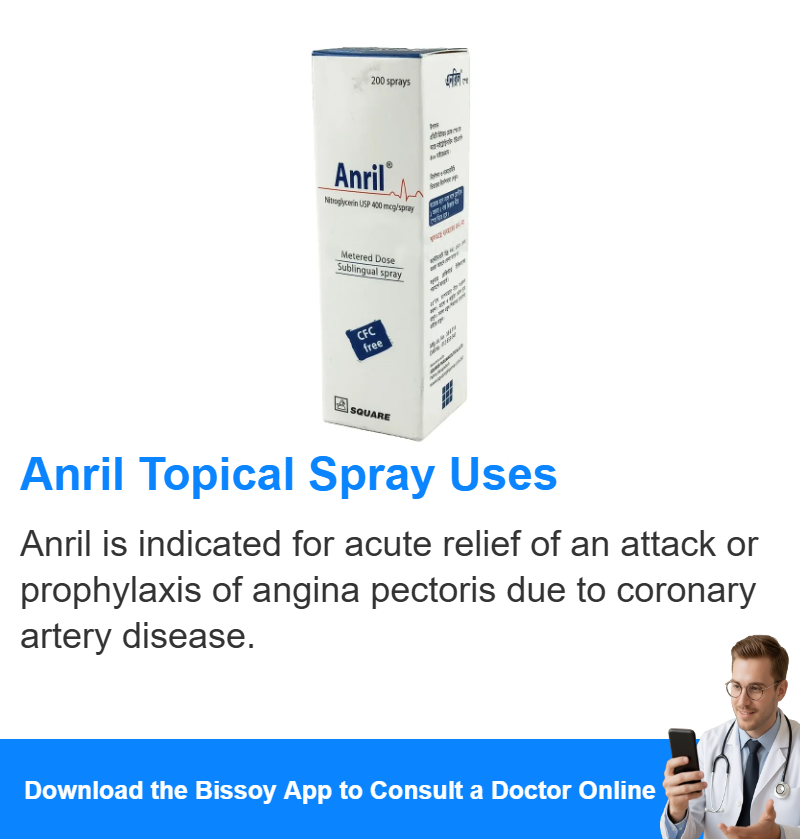
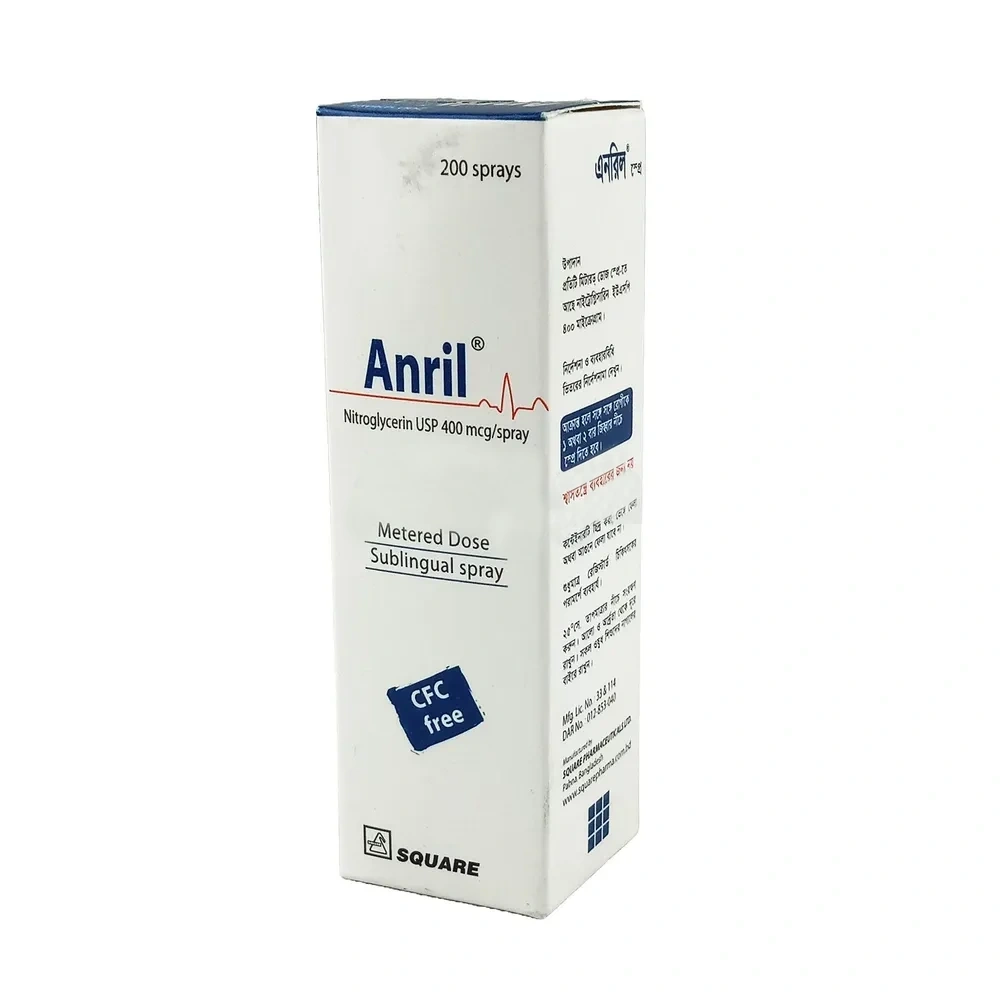
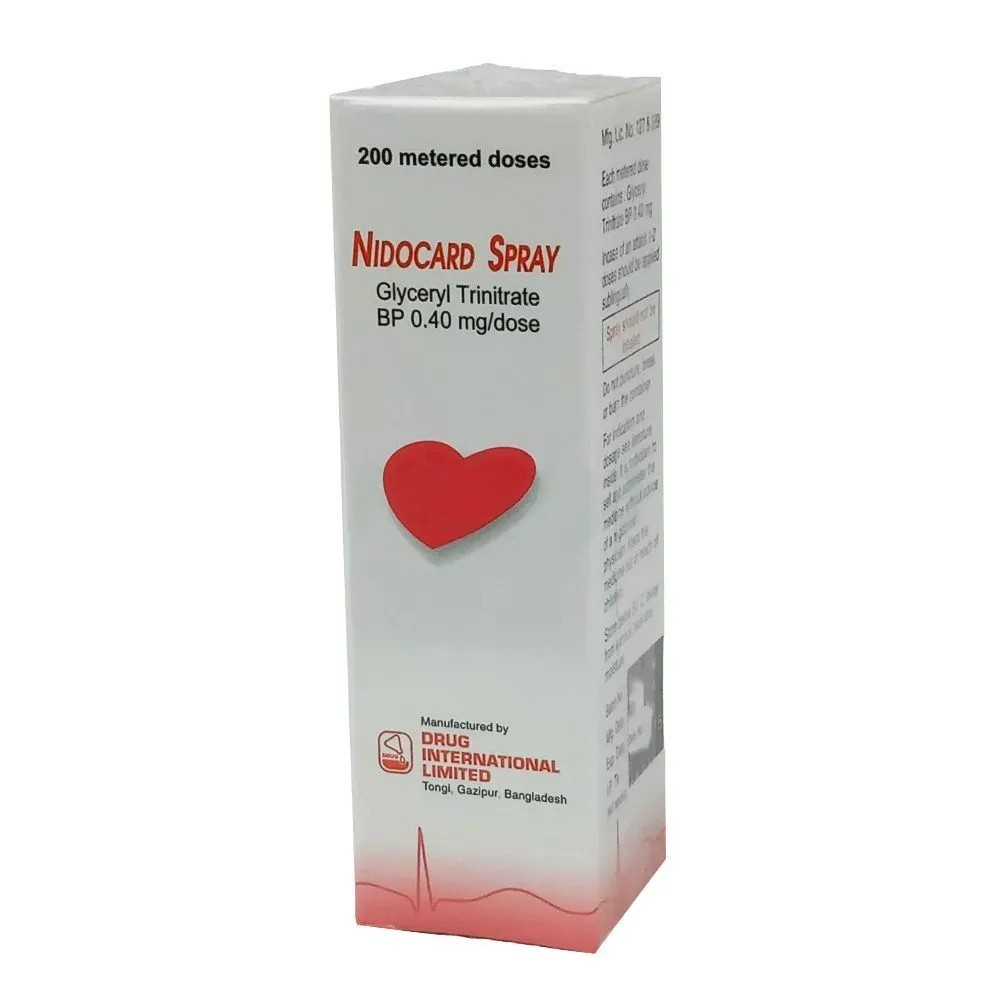
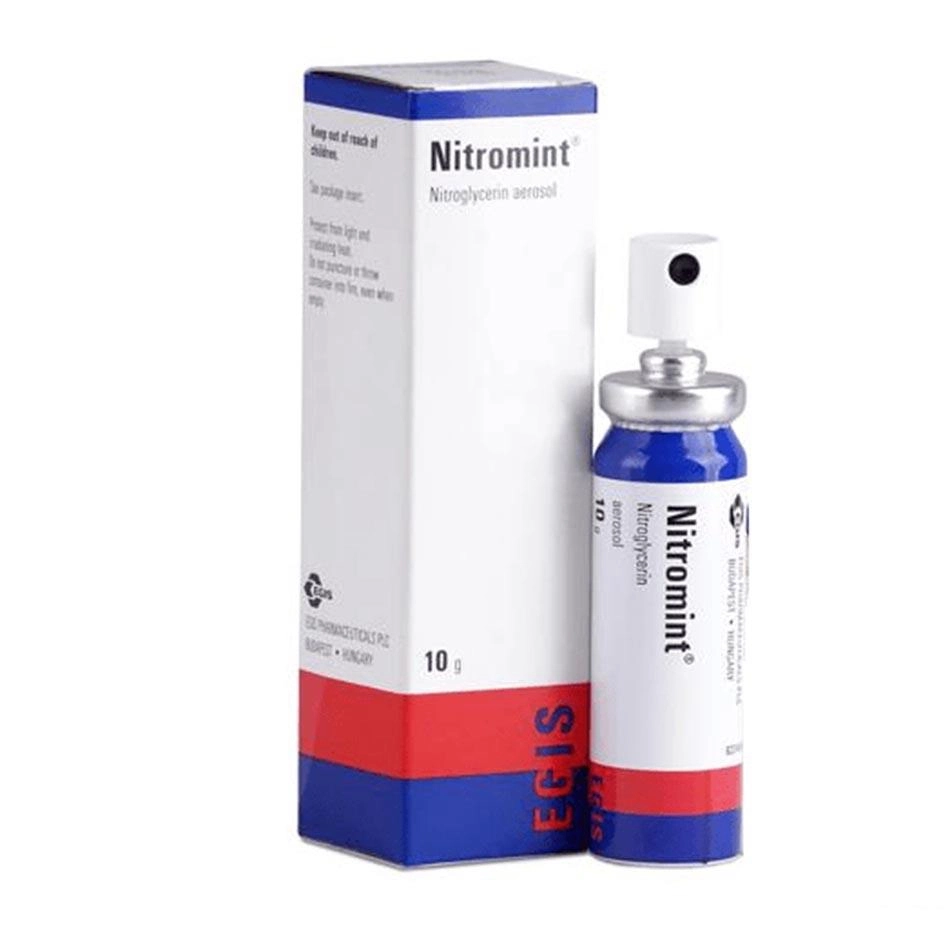
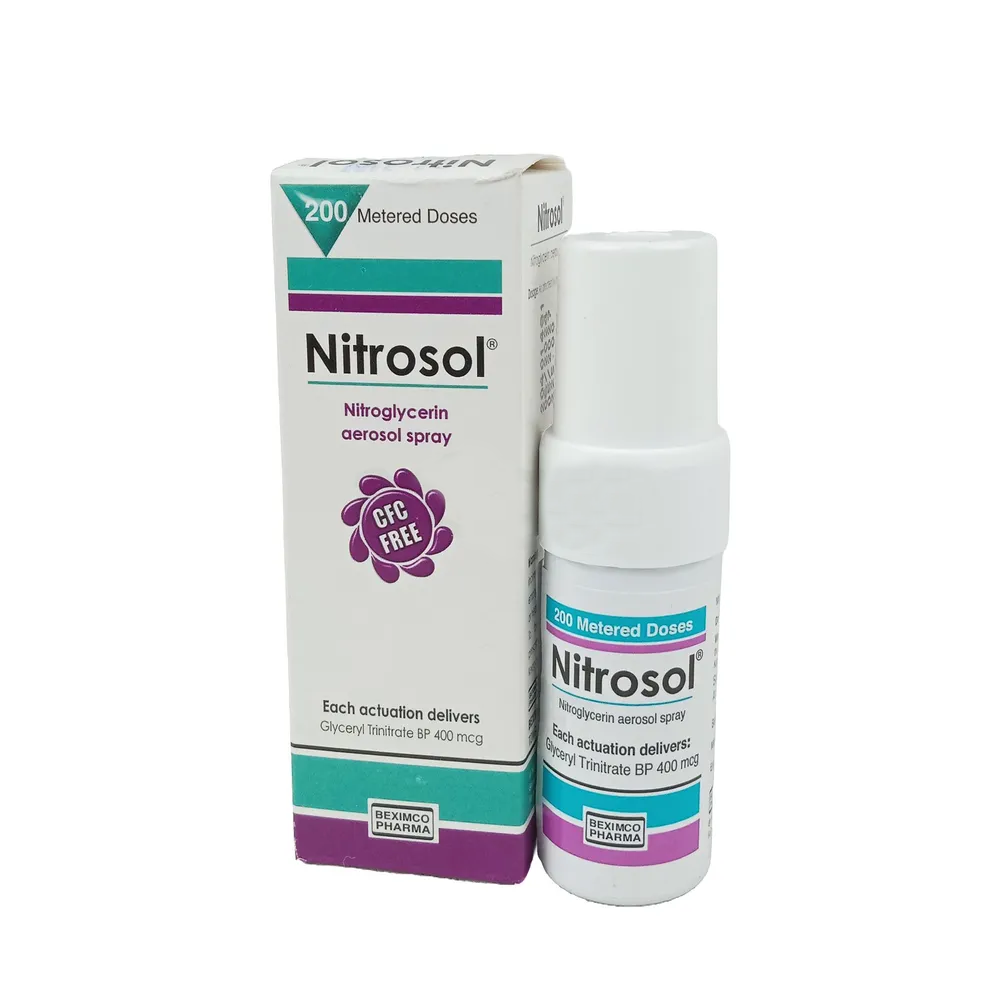
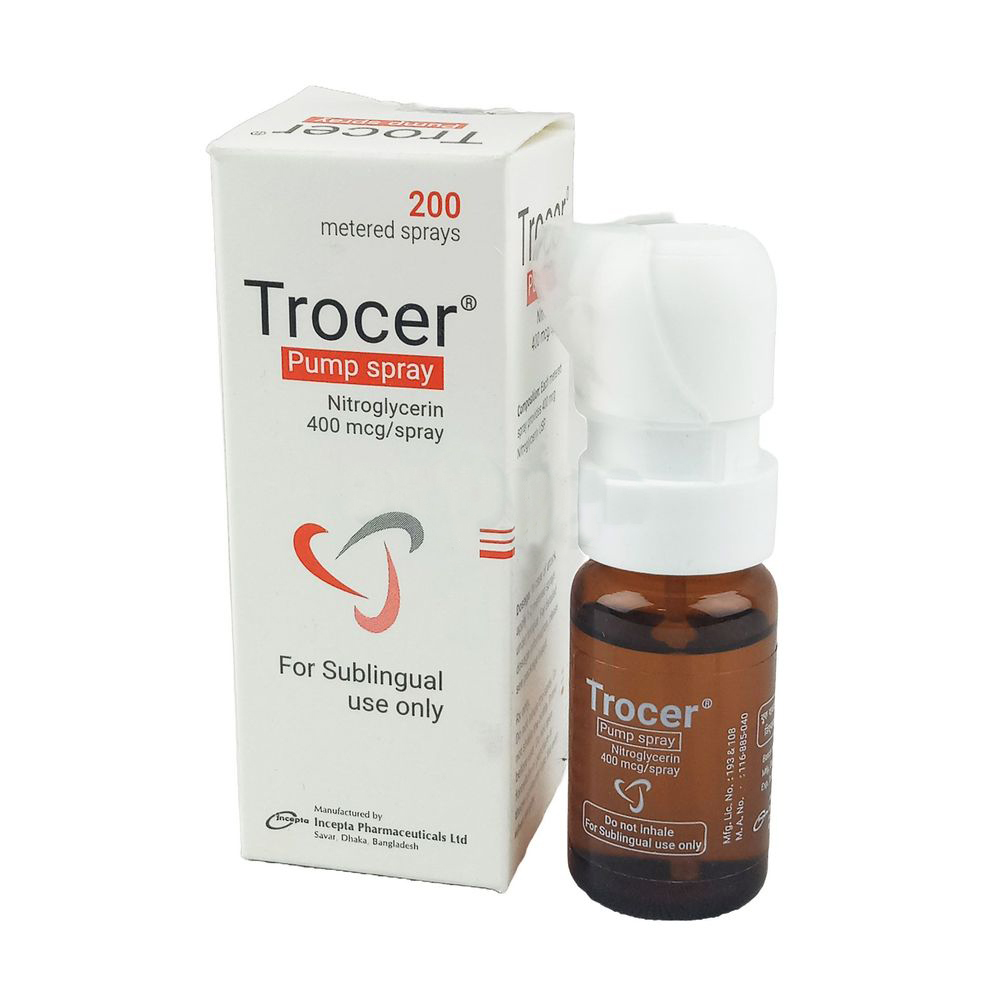
Nitroglycerin is a vasodilator used primarily for the treatment of angina (chest pain) and hypertension. It is available in multiple formulations, including sublingual tablets, sprays, intravenous preparations, extended-release tablets, transdermal patches, and topical ointments. Nitroglycerin ointment is also used to relieve pain associated with anal fissures.
Uses
Nitroglycerin is a nitrate vasodilator used to treat or prevent angina, treat hypertension, control heart failure in myocardial infarction, and to induce hypotension intraoperatively.
Nitroglycerin is indicated for various purposes. It is indicated to prevent and treat angina or chest pain due to cardiovascular disease, as well as to treat peri-operative hypertension or induce intra-operative hypotension. It is also indicated to treat acute heart failure in patients with myocardial infarction. In the ointment form, nitroglycerin is indicated to treat pain caused by anal fissures. The transdermal form is applied directly to the skin to prevent acute anginal attacks.
The intravenous form is used off-label in emergency settings and is commonly used to treat acute coronary spasm caused by cocaine, hypertensive emergencies, as well as acute congestive heart failure exacerbations. Some other off-label uses of nitroglycerin include management of variceal hemorrhage, management of esophageal spasticity, and induction of uterine relaxation.
Associated Conditions
Pharmacodynamics
Nitroglycerin causes the relaxation of vascular smooth muscles, causing arteriolar and venous dilatation. It reduces cardiac preload and afterload and reduces coronary artery spasm, decreasing systemic vascular resistance as well as systolic and diastolic blood pressure. The reduction of cardiac work by nitroglycerin is thought to cause the most relief of anginal symptoms, with some contributions from arteriolar dilatation effects.
Mechanism of Action
Nitroglycerin is converted by mitochondrial aldehyde dehydrogenase (mtALDH) to nitric oxide (NO), an active substance which then activates the enzyme guanylate cyclase. The activation of this enzyme is followed by the synthesis of cyclic guanosine 3',5'-monophosphate (cGMP), activating a cascade of protein kinase-dependent phosphorylation events in smooth muscles. This process eventually leads to the dephosphorylation of the myosin light chain of smooth muscles, causing relaxation and increased blood flow in veins, arteries and cardiac tissue.. The above processes lead to decreased work of the heart decreased blood pressure, relief of anginal symptoms, and increased blood flow to the myocardium.One in vitro study using mouse aorta suggests that nitric oxide (an activated metabolite of nitroglycerin) targets the natriuretic peptide receptors.
Absorption
Nitroglycerin is rapidly absorbed and is often used in emergency situations for this reason. After a sublingual dose of 0.5 mg of nitroglycerin, peak concentration was reached by an average of in 4.4 minutes after administration and was measured to be 2.56 ng/ml.
Cmax following a 0.6mg dose of sublingual nitroglycerin was measured to be 2.1 ng/mL and AUC was 14.9 minutes, and Tmax was 7.2 minutes. Absolute bioavailability after the administration of sublingual nitroglycerin tablets is about 40%. The bioavailability of nitroglycerin depends on factors such as mucosal metabolism and hydration status, which both affect the absorption of sublingual drugs.
Volume of Distribution
The volume of distribution of nitroglycerin is 3 L/kg.
Protein Binding
After a sublingual dose of nitroglycerin, at concentrations in the plasma ranging from 50 to 500 ng/mL, plasma protein binding of nitroglycerin is about 60%. The plasma protein binding of the metabolites 1,2-dinitroglycerin is 60% and that of 1,3-dinitroglycerin is 30%.
Route of Elimination
Metabolism is the main route by which nitroglycerin is eliminated from the body.
Half Life
In a pharmacokinetic study, the plasma half-life of intravenously administered nitroglycerin was 2.8 ± 0.9 minutes. The FDA label for the intravenous form of nitroglycerin indicates a similar plasma half-life of about 3 minutes. A pharmacokinetic study using sublingual nitroglycerin estimated the plasma half-life to be approximately 6 minutes. The elimination half-lives of 1,2- and 1,3-dinitroglycerin (metabolites of nitroglycerin)range between 32-26 minutes.
Clearance
The FDA label for the intravenous form of nitroglycerin estimates clearance to be 1 L/kg/min. Apparent clearance after a sublingual dose was measured to be 21.9 L/min in a pharmacokinetic study of 22 patients with ischemic heart disease and angina.
Toxicity
LD50 information The oral LD50 of nitroglycerin in rats is 105 mg/kg and the LD50 of the intravenous form in rats is 23.2 mg/kg.
Overdose information An overdose of nitroglycerin can lead to a variety of hemodynamic effects. General effects may include vertigo, fever, flushed skin, and diaphoresis. Cardiorespiratory symptoms may include syncope, dyspnea, decreased heart rate, or palpitations. Neurologic manifestations can include paralysis, seizures, coma, and death. There are no known antidotes to an overdose of nitroglycerin, and it is not known whether its metabolites can be removed from the circulation. If hypotension occurs due to an overdose with nitroglycerin, elevate the lower limbs and administer an intravenous infusion of normal saline or other fluids if necessary to maintain central fluid volume.
Food Interactions
- Avoid alcohol.