Introduction
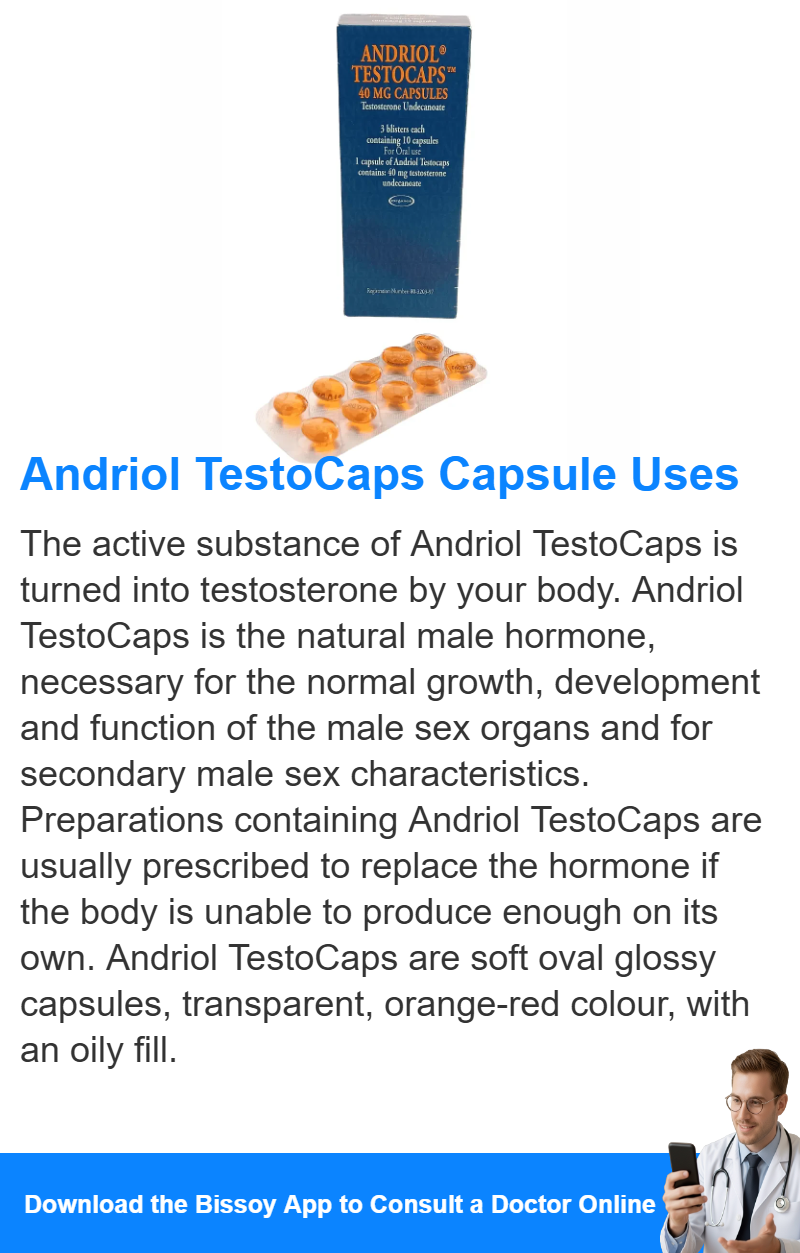
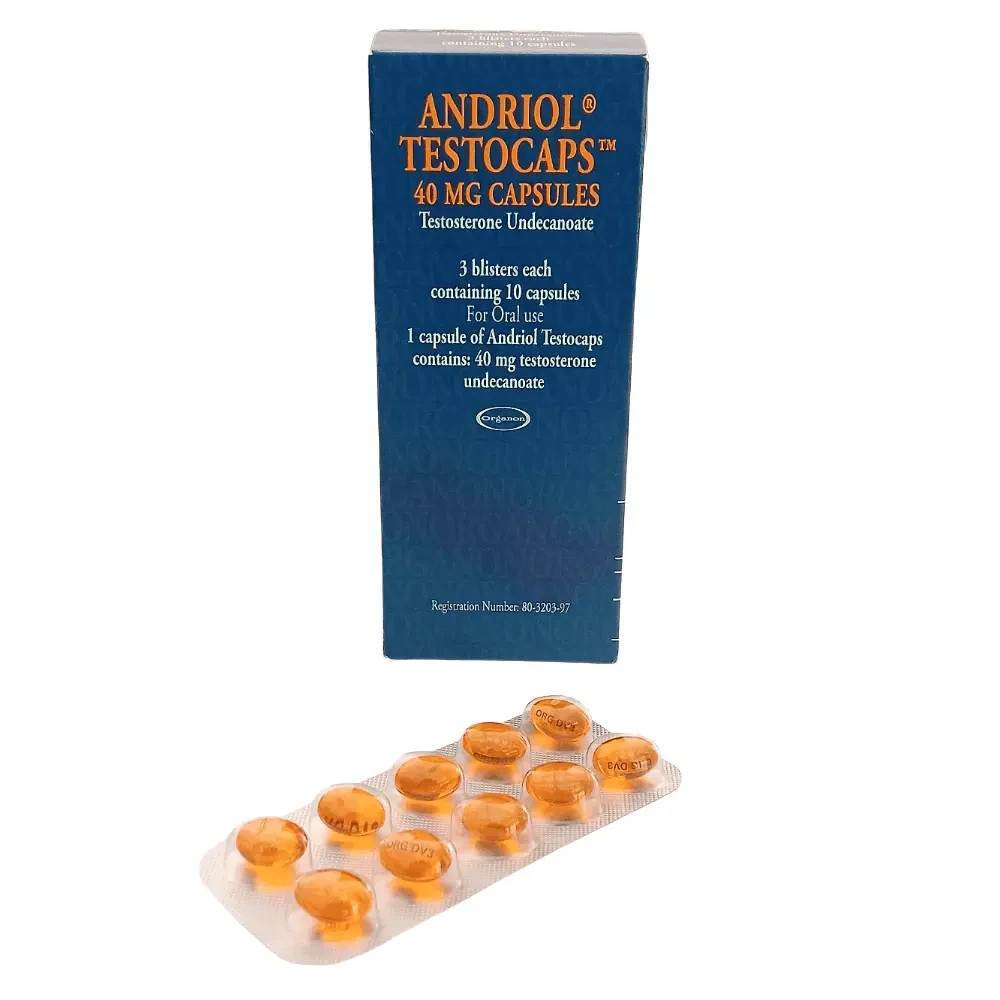
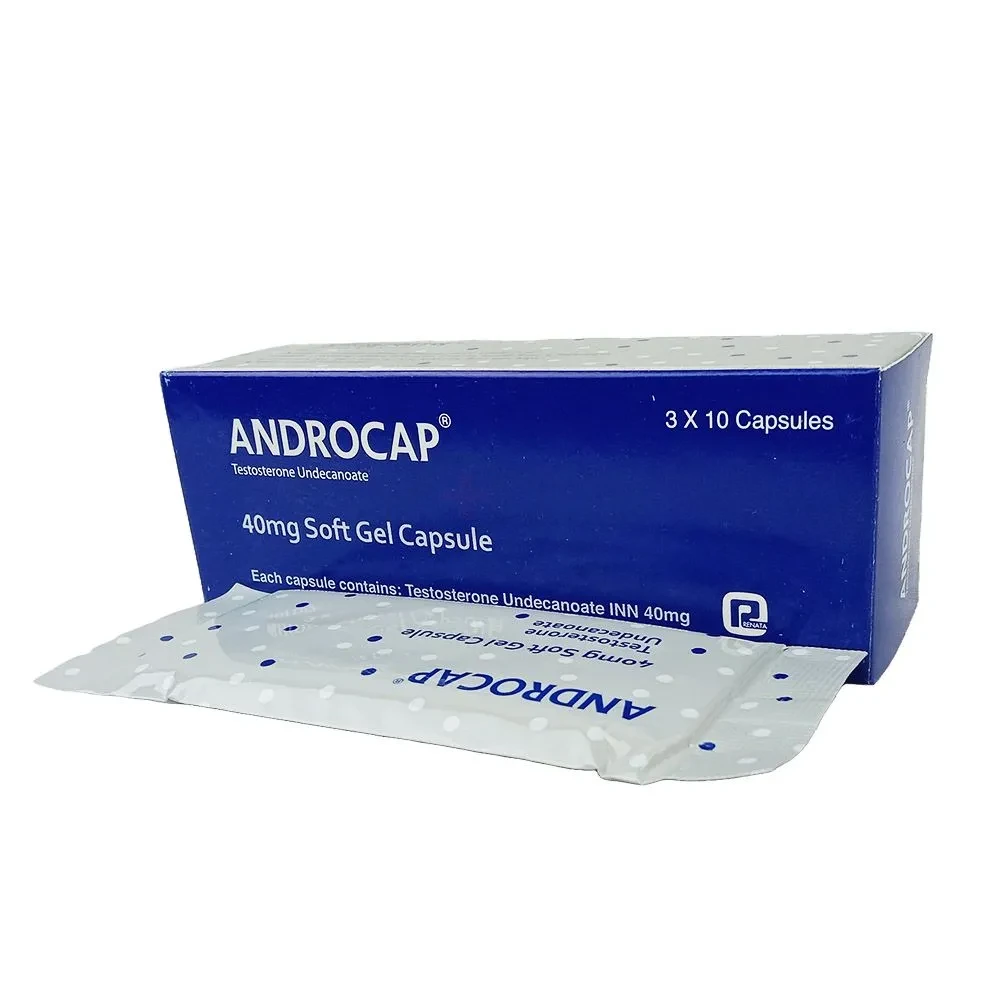
Testosterone undecanoate is the ester prodrug of testosterone and has a midchain fatty acid at the 17Beta position. It is available as an intramuscular injection and as an oral capsule, and is indicated for treatment of testosterone deficiency. It should be noted that testosterone undecanoate is only indicated for treatment of hypogonadal conditions with structural or genetic etiologies and should not be used to manage "age-related hypogonadism".
Uses
Testosterone undecanoate is an androgen used to treat low or absent testosterone.
Testosterone undecanoate is indicated for replacement therapy in adult males with conditions that are linked with an absence or deficiency in endogenous testosterone production.
Associated Conditions
Pharmacodynamics
Testosterone plays a key role in male sexual differentiation and is involved in regulation of hematopoiesis, body composition, and bone metabolism. As a result, testosterone replacement therapy in males with hypogonadism can result in improved sexual function, increased lean body mass, bone density, erythropoiesis, prostate size, and changes in lipid profiles.
Mechanism of Action
Testosterone is produced by Leydig cells and exerts it's effects by binding to androgen receptors throughout the body. Testosterone affects the voice, genitalia, mood, and influences muscle growth and protein expression. Accordingly, males with low levels of testosterone often experience decreased libido, fatigue, mood changes and dysphoria. Exogenous sources of testosterone are designed to mimic the effects of endogenous testosterone.
Absorption
The absorption of testosterone undecanoate varies based on the formulation. The intramuscular formulation of testosterone esters is suspended in oil and is absorbed from the lipid phase. Testosterone is released when tissue esterases cleave the undecanoic acid side chain.
The oral formulation of testosterone undecanoate is also formulated as a prodrug, is best absorbed with food and ideal absorption occurs when taken with a meal containing at least 30 g of fat.
Protein Binding
Circulating testosterone is highly protein bound with about 40% bound to sex hormone-binding globulin (SHBG), and a large percentage of the remaining hormone loosely bound to albumin and other plasma proteins. Only about 2% of testosterone is unbound.
Route of Elimination
The majority (~90%) of an intramuscularly administered dose of testosterone is conjugated and eliminated in the urine. Approximately 6% of the dose is eliminated primarily unconjugated in the feces.
Half Life
Based on one source, Testosterone undecanoate in castor oil (for intramuscular injection) has a half life of 33.9 days, allowing it to maintain serum levels in the normal range for over 6 weeks. It should be noted that the half life of testosterone reported in the literature is inconsistent.
Toxicity
There is evidence that in adolescent users, testosterone at supra-therapeutic levels may contribute to aggressive behaviour and increased rates of suicide. However, testosterone does not appear to negatively affect cognition in adult men receiving testosterone replacement therapy and may in fact benefit cognitive function. Administration of exogenous testosterone affects normal physiological hormonal regulation, and ultimately depresses the release of follicle-stimulating hormone and luteinizing hormone resulting in reduced sperm production. This should be considered before initiating testosterone in males who wish to start or grow a family. Increased levels of testosterone can also cause increased sebum production, therefore acne may be observed in patients taking exogenous testosterone. Since testosterone is converted to estrogen in the body by aromatization, males taking testosterone replacement may experience gynecomastia and/or breast pain.
Food Interactions
- Take with food. Take Jatenzo (testosterone undecanoate) oral capsule with food.