Introduction
Tramadol is a centrally acting synthetic opioid analgesic and SNRI (serotonin/norepinephrine reuptake-inhibitor) that is structurally related to codeine and morphine. Due to its good tolerability profile and multimodal mechanism of action, tramadol is generally considered a lower-risk opioid option for the treatment of moderate to severe pain. It is considered a Step 2 option on the World Health Organization's pain ladder and has about 1/10th of the potency of morphine.
Tramadol differs from other traditional opioid medications in that it doesn't just act as a μ-opioid agonist, but also affects monoamines by modulating the effects of neurotransmitters involved in the modulation of pain such as serotonin and norepinpehrine which activate descending pain inhibitory pathways. Tramadol's effects on serotonin and norepinephrine mimic the effects of other SNRI antidepressants such as duloxetine and venlafaxine.
Tramadol exists as a racemic mixture consisting of two pharmacologically active enantiomers that both contribute to its analgesic property through different mechanisms and are also themselves metabolized into active metabolites: (+)-tramadol and its primary metabolite (+)-O-desmethyl-tramadol (M1) are agonists of the μ opioid receptor while (+)-tramadol inhibits serotonin reuptake and (-)-tramadol inhibits norepinephrine reuptake. These pathways are complementary and synergistic, improving tramadol's ability to modulate the perception of and response to pain.
Tramadol has also been shown to affect a number of other pain modulators within the central nervous system as well as non-neuronal inflammatory markers and immune mediators. Due to the broad spectrum of targets involved in pain and inflammation, it's not surprising that the evidence has shown that tramadol is effective for a number of pain types including neuropathic pain, post-operative pain, lower back pain, as well as pain associated with labour, osteoarthritis, fibromyalgia, and cancer. Due to its SNRI activity, tramadol also has anxiolytic, antidepressant, and anti-shivering effects which are all frequently found as comorbidities with pain.
Similar to other opioid medications, tramadol poses a risk for development of tolerance, dependence and abuse. If used in higher doses, or with other opioids, there is a dose-related risk of overdose, respiratory depression, and death. However, unlike other opioid medications, tramadol use also carries a risk of seizure and serotonin syndrome, particularly if used with other serotonergic medications.
Uses
Tramadol is a centrally-acting opioid agonist and SNRI (serotonin/norepinephrine reuptake inhibitor) used for the management of moderate to severe pain in adults.
Tramadol is approved for the management of moderate to severe pain in adults.
Tramadol is also used off-label in the treatment of premature ejaculation.
Associated Conditions
Pharmacodynamics
Tramadol modulates the descending pain pathways within the central nervous system through the binding of parent and M1 metabolite to μ-opioid receptors and the weak inhibition of the reuptake of norepinephrine and serotonin.
Apart from analgesia, tramadol may produce a constellation of symptoms (including dizziness, somnolence, nausea, constipation, sweating and pruritus) similar to that of other opioids.
Central Nervous System
In contrast to morphine, tramadol has not been shown to cause histamine release. At therapeutic doses, tramadol has no effect on heart rate, left-ventricular function or cardiac index. Orthostatic hypotension has been observed.
Tramadol produces respiratory depression by direct action on brain stem respiratory centres. The respiratory depression involves both a reduction in the responsiveness of the brain stem centres to increases in CO2 tension and to electrical stimulation.
Tramadol depresses the cough reflex by a direct effect on the cough centre in the medulla. Antitussive effects may occur with doses lower than those usually required for analgesia.
Tramadol causes miosis, even in total darkness. Pinpoint pupils are a sign of opioid overdose but are not pathognomonic (e.g., pontine lesions of hemorrhagic or ischemic origin may produce similar findings). Marked mydriasis rather than miosis may be seen with hypoxia in the setting of oxycodone overdose.
Seizures have been reported in patients receiving tramadol within the recommended dosage range. Spontaneous post-marketing reports indicate that seizure risk is increased with doses of tramadol above the recommended range. Risk of convulsions may also increase in patients with epilepsy, those with a history of seizures or in patients with a recognized risk for seizure (such as head trauma, metabolic disorders, alcohol and drug withdrawal, CNS infections), or with concomitant use of other drugs known to reduce the seizure threshold.
Tramadol can cause a rare but potentially life-threatening condition resulting from concomitant administration of serotonergic drugs (e.g., anti-depressants, migraine medications). Treatment with the serotoninergic drug should be discontinued if such events (characterized by clusters of symptoms such as hyperthermia, rigidity, myoclonus, autonomic instability with possible rapid fluctuations of vital signs, mental status changes including confusion, irritability, extreme agitation progressing to delirium and coma) occur and supportive symptomatic treatment should be initiated. Tramadol should not be used in combination with MAO inhibitors or serotonin-precursors (such as L-tryptophan, oxitriptan) and should be used with caution in combination with other serotonergic drugs (triptans, certain tricyclic antidepressants, lithium, St. John’s Wort) due to the risk of serotonin syndrome.
Gastrointestinal Tract and Other Smooth Muscle
Tramadol causes a reduction in motility associated with an increase in smooth muscle tone in the antrum of the stomach and duodenum. Digestion of food in the small intestine is delayed and propulsive contractions are decreased. Propulsive peristaltic waves in the colon are decreased, while tone may be increased to the point of spasm resulting in constipation. Other opioid-induced effects may include a reduction in gastric, biliary and pancreatic secretions, spasm of the sphincter of Oddi, and transient elevations in serum amylase.
Endocrine System
Opioids may influence the hypothalamic-pituitary-adrenal or -gonadal axes. Some changes that can be seen include an increase in serum prolactin and decreases in plasma cortisol and testosterone. Clinical signs and symptoms may be manifest from these hormonal changes.
Hyponatremia has been reported very rarely with the use of tramadol, usually in patients with predisposing risk factors, such as elderly patients and/or patients using concomitant medications that may cause hyponatremia (e.g., antidepressants, benzodiazepines, diuretics). In some reports, hyponatremia appeared to be the result of the syndrome of inappropriate antidiuretic hormone secretion (SIADH) and resolved with discontinuation of tramadol and appropriate treatment (e.g., fluid restriction). During tramadol treatment, monitoring for signs and symptoms of hyponatremia is recommended for patients with predisposing risk factors.
Cardiovascular
Tramadol administration may result in severe hypotension in patients whose ability to maintain adequate blood pressure is compromised by reduced blood volume, or concurrent administration of drugs such as phenothiazines and other tranquillizers, sedative/hypnotics, tricyclic antidepressants or general anesthetics. These patients should be monitored for signs of hypotension after initiating or titrating the dose of tramadol.
QTc-Interval Prolongation
The maximum placebo-adjusted mean change from baseline in the QTcF interval was 5.5 ms in the 400 mg/day treatment arm and 6.5 ms in the 600 mg/day mg treatment arm, both occurring at the 8h time point. Both treatment groups were within the 10 ms threshold for QT prolongation. Post-marketing experience with the use of tramadol containing products included rare reports of QT prolongation reported with an overdose. Particular care should be exercised when administering tramadol to patients who are suspected to be at an increased risk of experiencing torsade de pointes during treatment with a QTc-prolonging drug.
Abuse and Misuse
Like all opioids, tramadol has the potential for abuse and misuse, which can lead to overdose and death. Therefore, tramadol should be prescribed and handled with caution.
Dependence/Tolerance
Physical dependence and tolerance reflect the neuroadaptation of the opioid receptors to chronic exposure to an opioid and are separate and distinct from abuse and addiction. Tolerance, as well as physical dependence, may develop upon repeated administration of opioids, and are not by themselves evidence of an addictive disorder or abuse. Patients on prolonged therapy should be tapered gradually from the drug if it is no longer required for pain control. Withdrawal symptoms may occur following abrupt discontinuation of therapy or upon administration of an opioid antagonist. Some of the symptoms that may be associated with abrupt withdrawal of an opioid analgesic include body aches, diarrhea, gooseflesh, loss of appetite, nausea, nervousness or restlessness, anxiety, runny nose, sneezing, tremors or shivering, stomach cramps, tachycardia, trouble with sleeping, unusual increase in sweating, palpitations, unexplained fever, weakness and yawning.
Mechanism of Action
Tramadol is a centrally acting μ-opioid receptor agonist and SNRI (serotonin/norepinephrine reuptake-inhibitor) that is structurally related to codeine and morphine. Tramadol binds weakly to κ- and δ-opioid receptors and to the μ-opioid receptor with 6000-fold less affinity than morphine.
Tramadol exists as a racemic mixture consisting of two pharmacologically active enantiomers that both contribute to its analgesic property through different mechanisms: (+)-tramadol and its primary metabolite (+)-O-desmethyl-tramadol (M1) are agonists of the μ opioid receptor while (+)-tramadol inhibits serotonin reuptake and (-)-tramadol inhibits norepinephrine reuptake. These pathways are complementary and synergistic, improving tramadol's ability to modulate the perception of and response to pain.
In animal models, M1 is up to 6 times more potent than tramadol in producing analgesia and 200 times more potent in μ-opioid binding.
Tramadol has also been shown to affect a number of pain modulators including alpha2-adrenoreceptors, neurokinin 1 receptors, the voltage-gated sodium channel type II alpha subunit, transient receptor potential cation channel subfamily V member 1 (TRPV1 - also known as the capsaicin receptor), muscarinic receptors (M1 and M3), N-methyl-D-aspartate receptor (also known as the NMDA receptor or glutamate receptor), Adenosine A1 receptors, and nicotinic acetylcholine receptor.
In addition to the above neuronal targets, tramadol has a number of effects on inflammatory and immune mediators involved in the pain response. This includes inhibitory effects on cytokines, prostaglandin E2 (PGE2), nuclear factor-κB, and glial cells as well as a change in the polarization state of M1 macrophages.
Absorption
Oral Administration
Tramadol is administered as a racemate, with both the [-] and [+] forms of both tramadol and the M1 metabolite detected in circulation. Following administration, racemic tramadol is rapidly and almost completely absorbed, with a bioavailability of 75%. This difference in absorption and bioavailability can be attributed to the 20-30% first-pass metabolism. Peak plasma concentrations of tramadol and the primary metabolite M1 occur at two and three hours, respectively. Following a single oral dose of 100mg of tramadol, the Cmax was found to be approximately 300μg/L with a Tmax of 1.6-1.9 hours, while metabolite M1 was found to have a Cmax of 55μg/L with a Tmax of 3 hours.
Steady-state plasma concentrations of both tramadol and M1 are achieved within two days of dosing. There is no evidence of self-induction. Following multiple oral doses, Cmax is 16% higher and AUC is 36% higher than after a single dose, demonstrating a potential role of saturable first-pass hepatic metabolism in increasing bioavailability.
Intramuscular Administration
Tramadol is rapidly and almost completely absorbed following intramuscular administration. Following injection of 50mg of tramadol, Cmax of 166μg/L was found with a Tmax of 0.75 hours.
Rectal Administration
Following rectal administration with suppositories containing 100mg of tramadol, Cmax of 294μg/L was found with a Tmax of 3.3 hours. The absolute bioavailability was found to be higher than oral administration (77% vs 75%), likely due to reduced first-pass metabolism with rectal administration compared to oral administration.
Volume of Distribution
The volume of distribution of tramadol is reported to be in the range of 2.6-2.9 L/kg. Tramadol has high tissue affinity; the total volume of distribution after oral administration was 306L and 203L after parenteral administration. Tramadol crosses the blood-brain barrier with peak brain concentrations occurring 10 minutes following oral administration. It also crosses the placental barrier with umbilical concentrations being found to be ~80% of maternal concentrations.
Protein Binding
About 20% of the administered dose is found to bind to plasma proteins. Protein binding appears to be independent of concentrations up to 10μg/mL. Saturation only occurs at concentrations outside of the clinical range.
Route of Elimination
Tramadol is eliminated primarily through metabolism by the liver and the metabolites are excreted primarily by the kidneys, accounting for 90% of the excretion while the remaining 10% is excreted through feces. Approximately 30% of the dose is excreted in the urine as unchanged drug, whereas 60% of the dose is excreted as metabolites.
The mean terminal plasma elimination half-lives of racemic tramadol and racemic M1 are 6.3 ± 1.4 and 7.4 ± 1.4 hours, respectively. The plasma elimination half-life of racemic tramadol increased from approximately six hours to seven hours upon multiple dosing.
Half Life
Tramadol reported a half-life of 5-6 hours while the M1 metabolite presents a half-life of 8 hours.
Clearance
In clinical trials, the clearance rate of tramadol ranged from 3.73 ml/min/kg in renal impairment patients to 8.50 ml/min/kg in healthy adults.
Toxicity
The reported LD50 for tramadol, when administered orally in mice, is 350 mg/kg.
In carcinogenic studies, there are reports of murine tumors which cannot be concluded to be carcinogenic in humans. On the other hand, tramadol showed no evidence to be mutagenic in different assays and does not have effects on fertility. However, there are clear reports of embryotoxicity and fetotoxicity.
Food Interactions
- Avoid alcohol. Co-administration of alcohol may potentiate the CNS effects of tramadol.
- Take with or without food. Co-administration of food does not affect pharmacokinetics.
Dosage
Sustained Release Capsule or Tablet: One SR capsule or tablet every 12 hours, for example first one in the morning and then at the same time in the evening. The number of capsules taken at a time will depend upon severity of pain, but it should not be taken more frequently than every 12 hours.The total daily dosage by mouth should not exceed 400 mg.
Injection: A dose of 50-100 mg may be given every 4 to 6 hours by intramuscular or by intravenous infusion. For the treatment of postoperative pain,the initial dose is 100 mg followed by 50 mg every 10 to 20 minutes if necessary to a maximum of 250 mg in the first hour. Thereafter, doses are 50 to 100 mg every 4 to 6 hours up to a total daily dose of 600 mg.
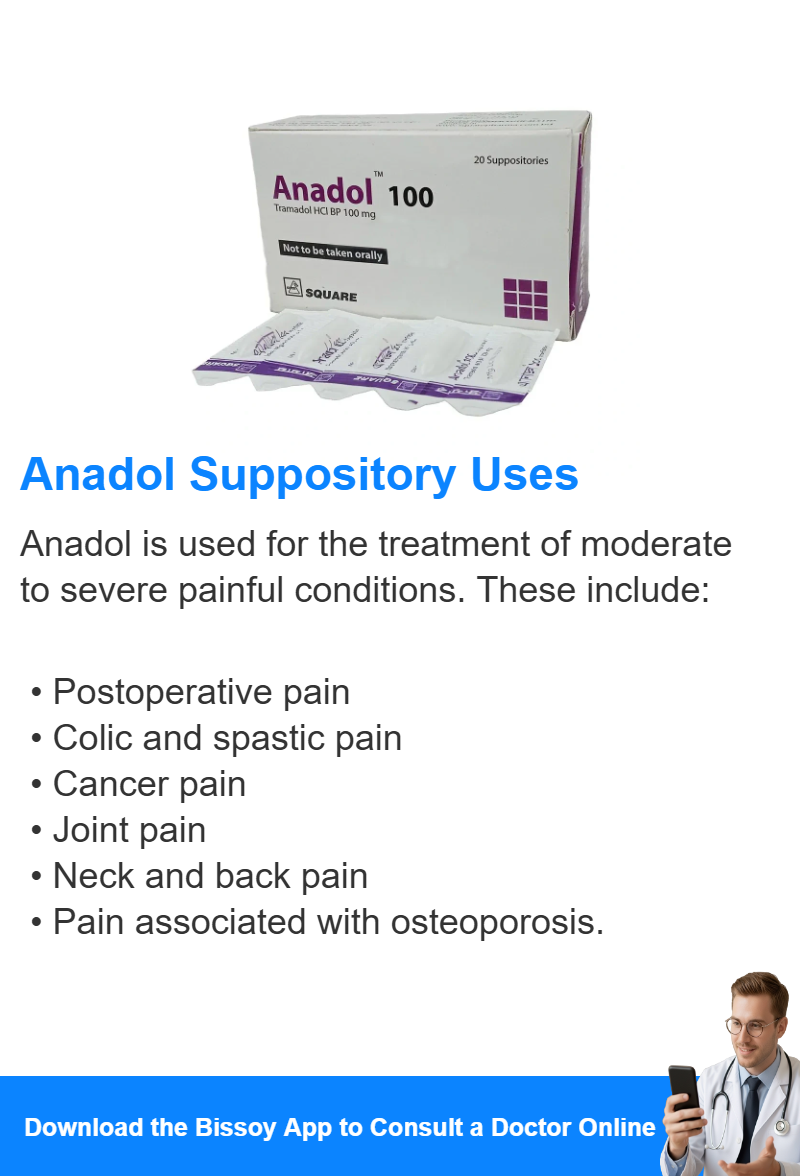
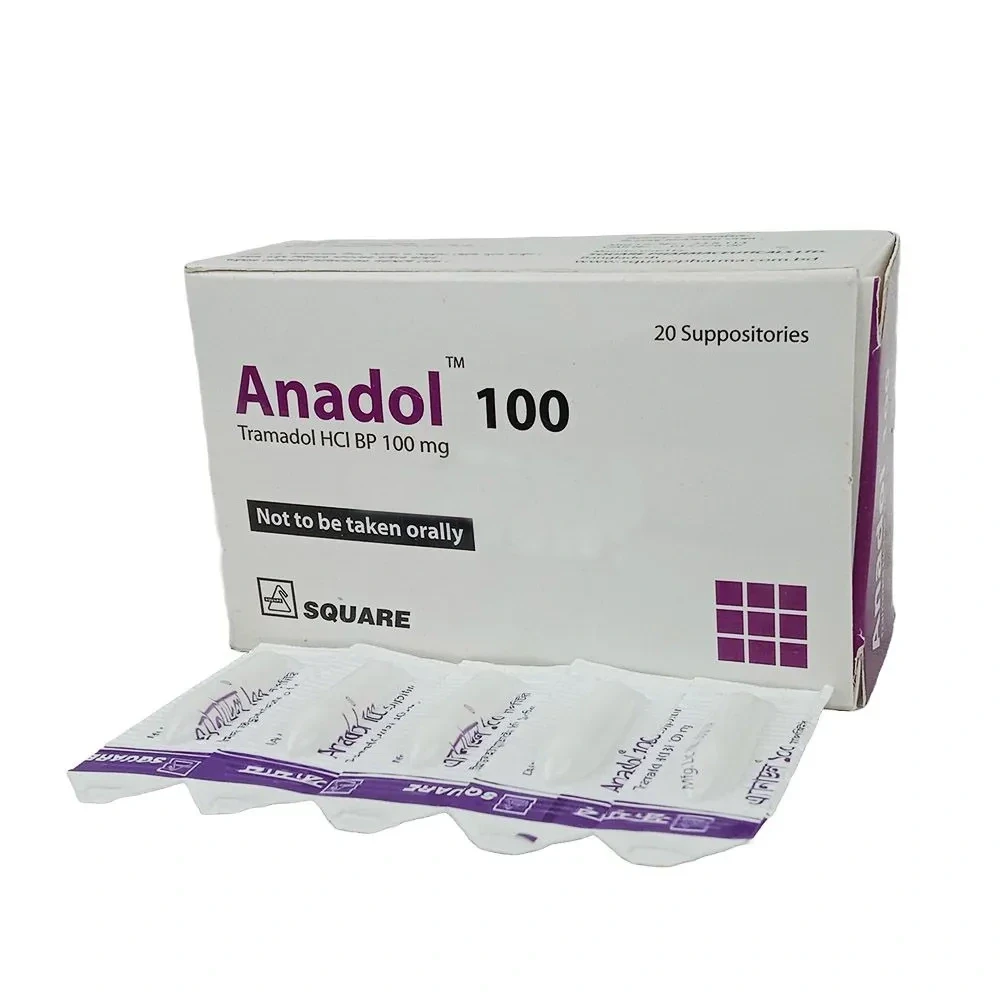
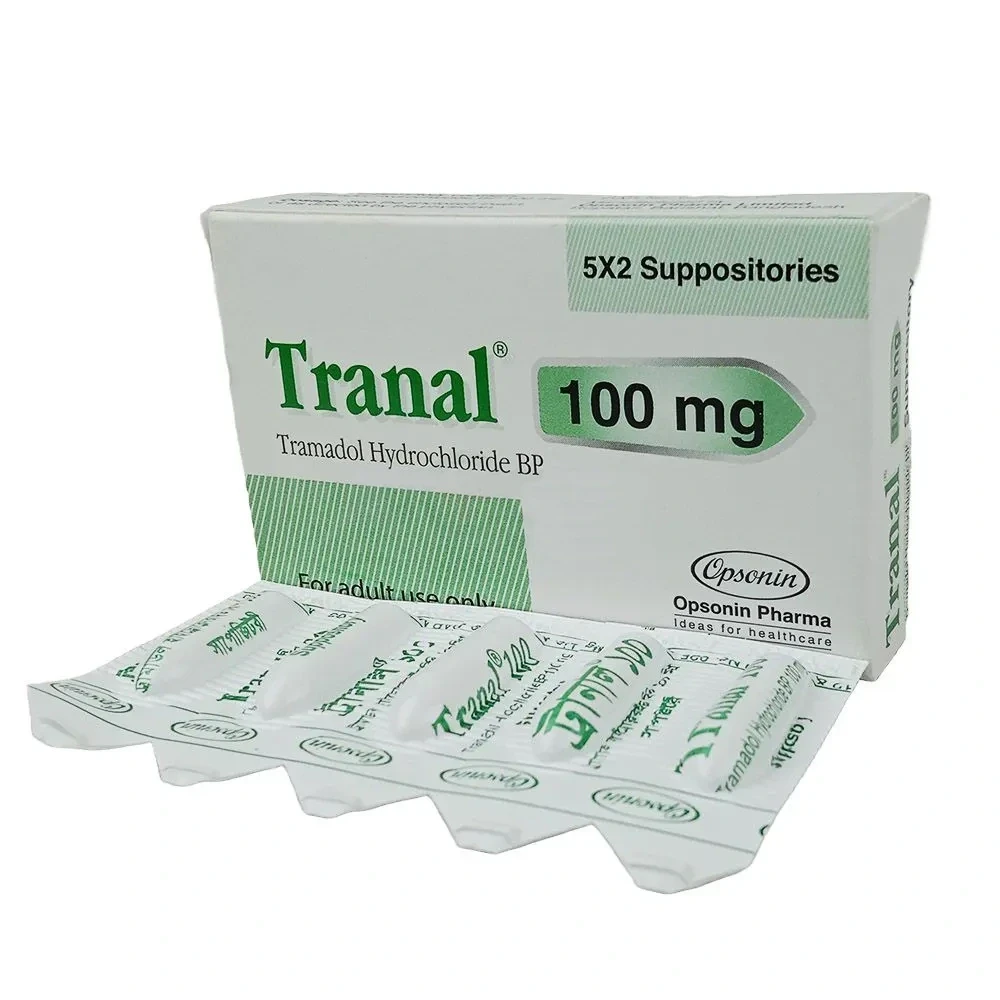
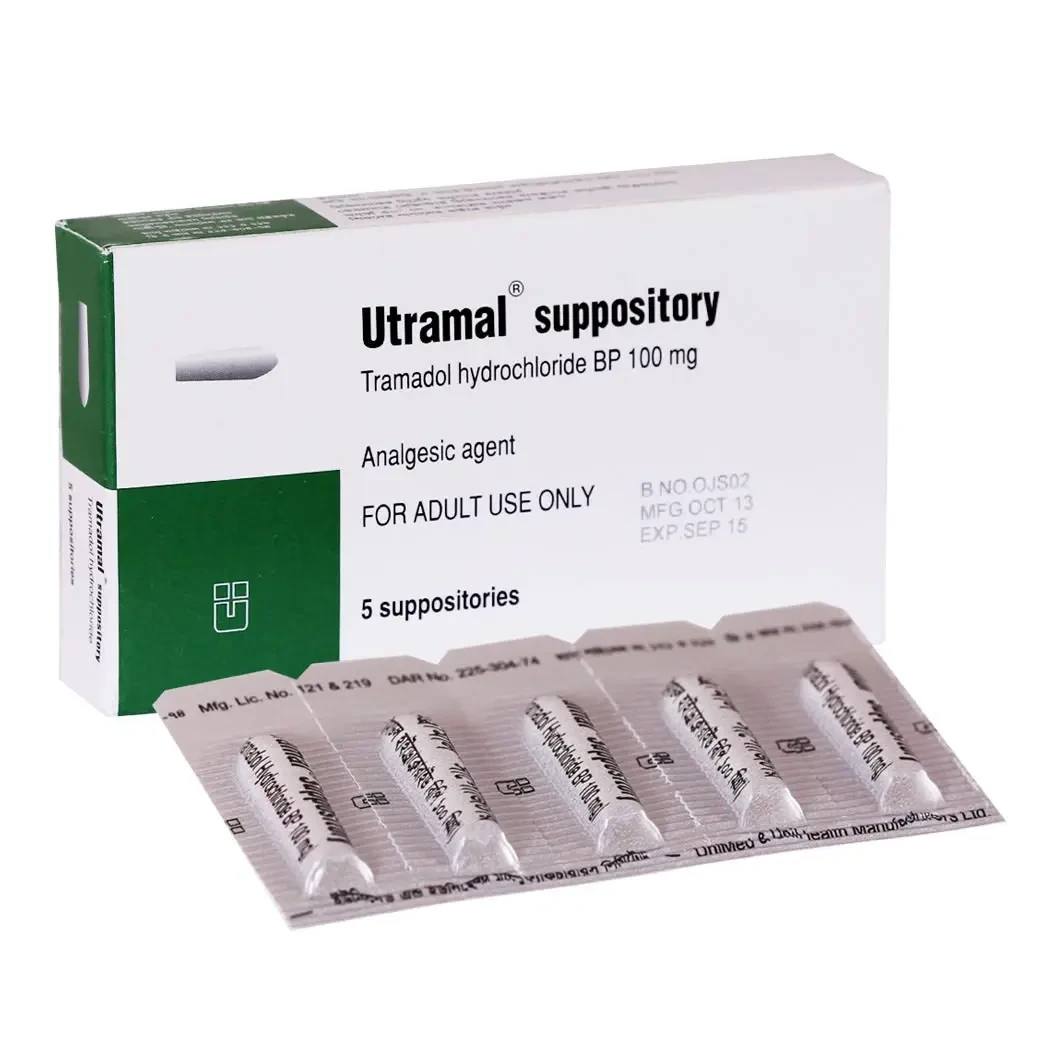
Suppository: Tramadol suppository should be administered rectally. For adults usual dose is 100 mg Anadol Suppository 100 mg 6 hourly. In general, 400 mg Anadol Suppository 100 mg (4 Tramadol suppository) per day sufficient. However, for the treatment of Cancer pain and severe pain after operations much higher daily doses can be used.