Introduction
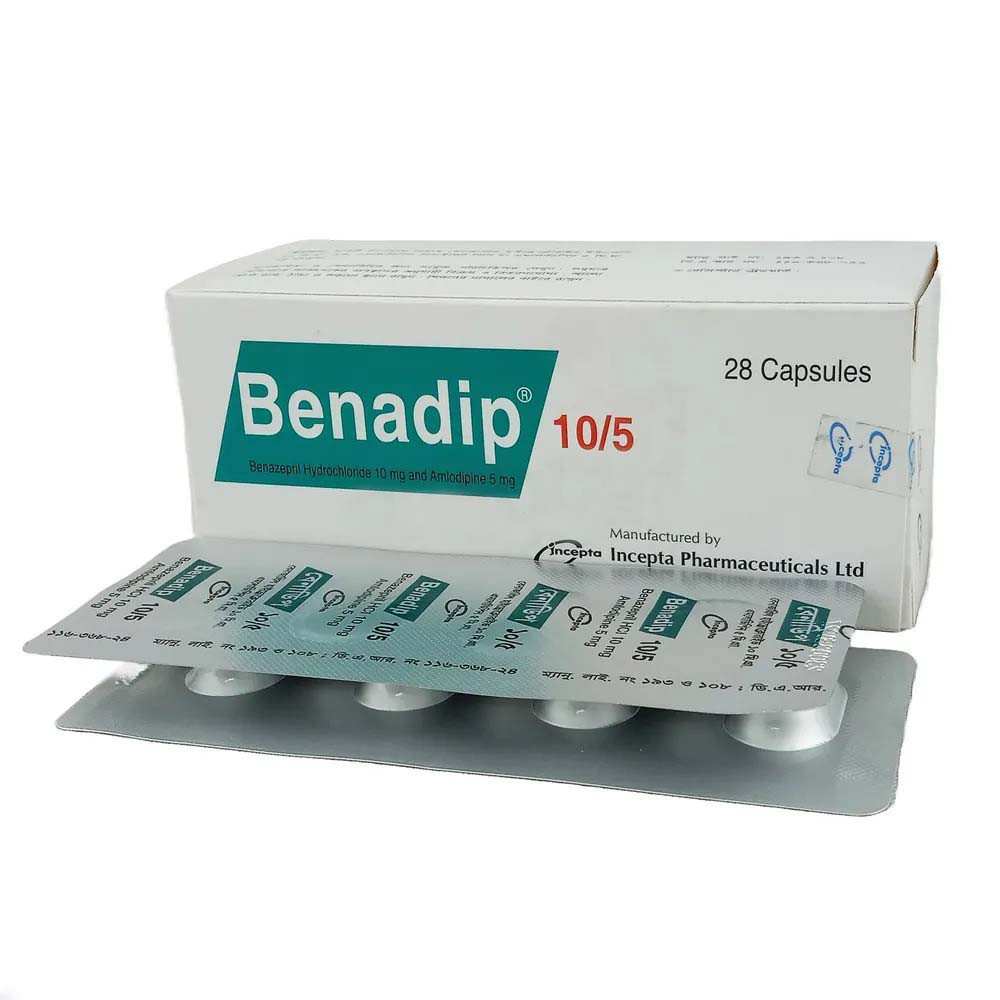
Amlodipine besilate and benazepril hydrochloride are often combined in a single medication to treat hypertension (high blood pressure) and certain types of heart disease. Amlodipine is a calcium channel blocker, while benazepril is an angiotensin-converting enzyme (ACE) inhibitor. This combination helps to lower blood pressure and reduce the risk of stroke, heart attack, and other cardiovascular conditions.
Uses
The combination of amlodipine besilate and benazepril hydrochloride is used to:
- Manage hypertension (high blood pressure)
- Reduce the risk of stroke, heart attack, and kidney problems in patients with high blood pressure
- Improve symptoms of chronic heart failure when used in conjunction with other treatments
- Treat conditions associated with coronary artery disease (CAD)
Mechanism of Action
Amlodipine besilate works by inhibiting the influx of calcium ions into vascular smooth muscle and cardiac muscle. This causes vasodilation, which lowers blood pressure and reduces the workload on the heart. Benazepril hydrochloride blocks the conversion of angiotensin I to angiotensin II, a potent vasoconstrictor, thereby causing blood vessels to relax and widen, which further lowers blood pressure and reduces fluid retention.
How Long Does It Take to Work?
The effects of amlodipine are typically seen within 24 to 48 hours after the first dose, with peak effects occurring in about 7-10 days. The full benefits of benazepril may take several weeks to become apparent, as it requires time to stabilize blood pressure and manage fluid balance.
Absorption
Amlodipine is well absorbed from the gastrointestinal tract, with peak plasma concentrations reached within 6-12 hours. It has a bioavailability of approximately 64-90%. Benazepril is also well absorbed, with peak plasma levels occurring within 1-2 hours after oral administration. Benazepril is rapidly converted to its active form, benazeprilat, in the liver.
Route of Elimination
Amlodipine is primarily eliminated by the liver and is excreted in the urine as unchanged drug and metabolites. Benazepril and its active metabolite, benazeprilat, are excreted through the kidneys, with approximately 90% of the dose eliminated in the urine and the remainder in the feces.
Dosage
Amlodipine is an effective treatment of hypertension in once-daily doses of 2.5-10 mg while Benazepril is effective in doses of 10-80 mg.It is usually appropriate to begin therapy with this capsule only after a patient has either-
- Failed to achieve the desired antihypertensive effect with one or the other monotherapy, or
- Demonstrated inability to achieve adequate antihypertensive effect with Amlodipine therapy without developing edema.
In patients whose blood pressures are adequately controlled with Amlodipine but who experience unacceptable edema, combination therapy may achieve similar (or better) blood-pressure control without edema. Especially in nonblacks, it may be prudent to minimize the risk of excessive response by reducing the dose of Amlodipine as Benazepril is added to the regimen.
Replacement Therapy: For convenience, patients receiving Amlodipine and Benazepril from separate tablets may instead wish to receive this capsule containing the same component doses. In small, elderly, or hepatically impaired patients, the recommended initial dose of Amlodipine, as monotherapy or as a component of combination therapy, is 2.5 mg.
The typical dosage for adults is:
- Amlodipine besilate: 5-10 mg once daily
- Benazepril hydrochloride: 10-40 mg once daily
Administration
This combination medication is usually taken orally in the form of a tablet. It is typically administered once daily, with or without food. It is important to take the medication at the same time each day to maintain consistent blood levels and ensure effectiveness.
Side Effects
Common side effects include:
- Swelling (edema) of the legs or ankles (due to amlodipine)
- Headache
- Dizziness
- Cough (due to benazepril)
- Fatigue
- Nausea
- Severe allergic reactions (e.g., rash, itching, swelling, trouble breathing)
- Kidney problems (e.g., reduced urine output)
- Low blood pressure (e.g., dizziness, fainting)
- Elevated potassium levels
Toxicity
Symptoms of toxicity may include severe hypotension, dizziness, or syncope (fainting). Severe toxicity can lead to renal impairment, hyperkalemia (high potassium levels), and significant fluid retention. Treatment involves discontinuation of the medication and supportive care, including intravenous fluids and medications to manage blood pressure.
Precautions
Precautions should be taken in patients with:
- Renal impairment
- Heart failure
- History of angioedema
- Electrolyte imbalances, particularly elevated potassium levels
- Pregnancy (as ACE inhibitors can be harmful to the fetus)
Interaction
Drug interactions may include:
- Other antihypertensives: Increased risk of additive hypotensive effects.
- Potassium-sparing diuretics or potassium supplements: Increased risk of hyperkalemia.
- Nonsteroidal anti-inflammatory drugs (NSAIDs): May reduce the antihypertensive effects of benazepril.
- Diuretics: May enhance the hypotensive effects and increase the risk of renal impairment.
Disease Interaction
Patients with the following conditions should use this combination with caution:
- Chronic kidney disease
- Heart failure
- Diabetes mellitus
- Renal artery stenosis
Drug Interaction
Important drug interactions include:
- Diuretics: May potentiate the hypotensive effects.
- ACE inhibitors: Concurrent use with other ACE inhibitors can increase the risk of adverse effects.
- Lithium: May increase lithium levels and the risk of lithium toxicity.
- Cyclosporine: May increase the risk of renal impairment and hyperkalemia.
Food Interactions
There are no specific food interactions with this combination. However, it is advisable to avoid excessive salt intake, which can counteract the blood pressure-lowering effects. Alcohol should be consumed in moderation, as it can enhance the hypotensive effects and increase the risk of dizziness and fainting.
Pregnancy Use
This combination is contraindicated during pregnancy, particularly in the second and third trimesters, due to the risk of fetal harm. ACE inhibitors, such as benazepril, are known to cause adverse effects on the developing fetus, including renal impairment and hypotension. Alternative treatments should be considered for pregnant women.
Lactation Use
Amlodipine and benazepril may be excreted in breast milk. While there is limited data on the safety of these medications during breastfeeding, caution is advised. The decision to use these medications while breastfeeding should be made in consultation with a healthcare provider, weighing the benefits and potential risks.
Acute Overdose
Acute overdose may lead to severe hypotension, dizziness, and renal dysfunction. Symptoms of overdose include marked hypotension, bradycardia (slow heart rate), and electrolyte imbalances. Treatment includes discontinuation of the medication, supportive care, and monitoring of vital signs. Intravenous fluids and medications to counteract hypotension may be required.
Contraindication
The combination is contraindicated in individuals with:
- Severe renal impairment or dialysis
- Known hypersensitivity to amlodipine, benazepril, or other ACE inhibitors
- Pregnancy
- Severe aortic stenosis
- History of angioedema associated with ACE inhibitor use
Use Direction
Take the medication orally once daily, with or without food. It is important to take it at the same time each day to maintain consistent blood levels. Do not exceed the recommended dose, and consult your healthcare provider if you miss a dose or experience any unusual symptoms.
Storage Conditions
Store the medication at room temperature, between 15°C and 30°C, in a dry place. Protect from light and moisture. Keep out of reach of children and dispose of any unused medication properly.
Volume of Distribution
Amlodipine has a volume of distribution of approximately 21 L/kg, indicating extensive tissue distribution. Benazepril and its active metabolite, benazeprilat, have a similar volume of distribution, reflecting their distribution in body tissues and fluids.
Half Life
Amlodipine has a half-life of approximately 30-50 hours, allowing for once-daily dosing. Benazepril has a half-life of about 9-11 hours, while its active metabolite, benazeprilat, has a half-life of approximately 24 hours.
Clearance
Amlodipine is cleared predominantly by the liver, with a small fraction excreted unchanged in the urine. Benazepril and benazeprilat are primarily cleared through the kidneys, with significant renal elimination of both substances.