Introduction
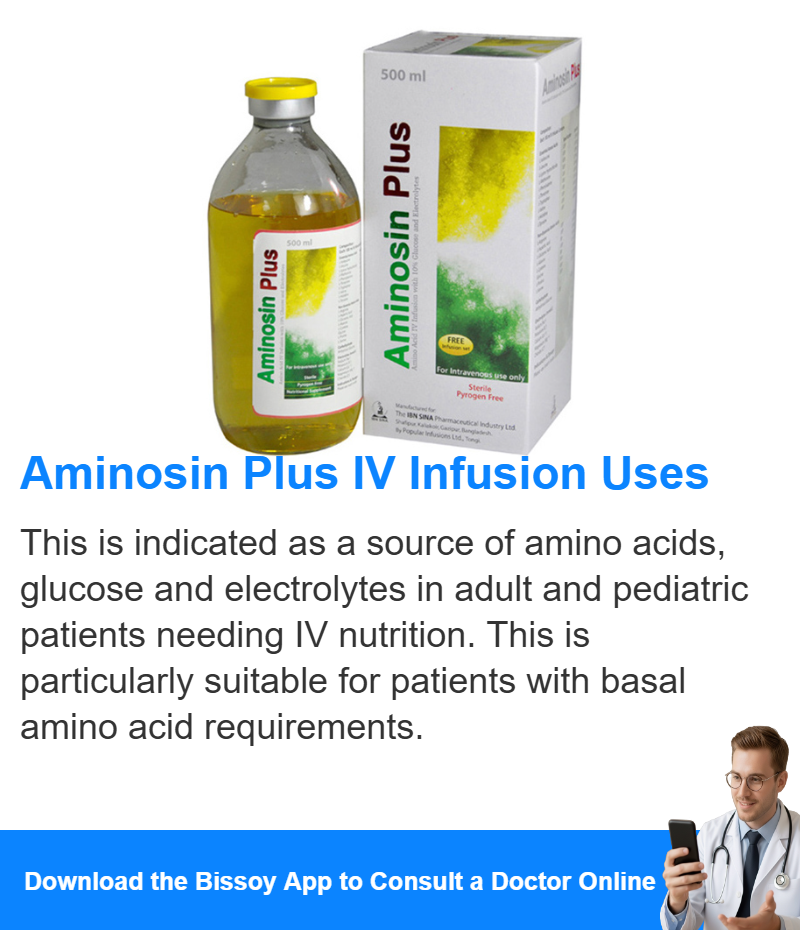
Amino acids, glucose, and electrolytes are combined in intravenous solutions or oral supplements to support nutritional needs and restore or maintain electrolyte balance. This combination is often used in medical settings to provide essential nutrients, manage dehydration, and support metabolic processes.
Uses
The combination of amino acids, glucose, and electrolytes is used to:
- Provide nutritional support in patients unable to eat or absorb nutrients normally
- Replenish electrolytes and fluids lost due to conditions such as diarrhea, vomiting, or excessive sweating
- Support recovery after surgery or trauma
- Manage metabolic disorders and maintain electrolyte balance
- Enhance hydration and energy levels in various clinical situations
Mechanism of Action
Amino acids serve as the building blocks for protein synthesis and various metabolic processes. Glucose provides a source of energy for cellular functions. Electrolytes, including sodium, potassium, chloride, and others, are critical for maintaining fluid balance, nerve function, and muscle contraction. The combination helps restore these essential components in the body, supporting overall physiological balance and recovery.
How Long Does It Take to Work?
The effects of intravenous administration are typically observed within minutes to hours, depending on the clinical situation. For oral supplements, improvements in nutritional status and electrolyte balance may take several days to weeks of consistent use. The onset of effects can vary based on the individual’s health condition and the severity of nutrient or electrolyte imbalances.
Absorption
When administered intravenously, the components are directly introduced into the bloodstream, bypassing the digestive system. For oral supplements, amino acids and glucose are absorbed primarily in the small intestine. Electrolytes are absorbed throughout the gastrointestinal tract, with the rate of absorption influenced by the presence of other substances in the digestive system.
Route of Elimination
Amino acids and glucose are metabolized and utilized by various tissues throughout the body. Excess glucose is stored as glycogen or converted to fat. Electrolytes are excreted through the kidneys, with urine being the primary route of elimination. Some electrolytes may also be excreted through sweat or feces.
Dosage
Dosage varies based on the specific formulation and patient needs:
- Intravenous solutions: Dosages are typically tailored to the patient’s condition and fluid requirements. Common formulations include standard concentrations of amino acids, glucose, and electrolytes.
- Oral supplements: The dosage may vary depending on the product, but typical recommendations include:
- Amino acids: 1-2 grams per serving
- Glucose: 10-20 grams per serving
- Electrolytes: Dosages vary based on the specific electrolyte, but commonly include 100-300 mg of each major electrolyte per serving
Administration
Intravenous solutions are administered by healthcare professionals through an IV drip or injection. Oral supplements should be taken as directed on the product label, typically with water or other fluids. For intravenous use, the rate of infusion and volume are adjusted based on the patient's needs and clinical condition.
Side Effects
Common side effects include:
- Gastrointestinal discomfort (e.g., nausea, bloating)
- Headache
- Skin reactions at the injection site (for IV use)
- Flushing or dizziness
- Electrolyte imbalances (e.g., hyperkalemia, hyponatremia)
- Severe allergic reactions (e.g., rash, swelling, difficulty breathing)
- Infection at the injection site (for IV use)
Toxicity
Toxicity is typically associated with excessive intake or improper use. Symptoms may include:
- High blood glucose levels (hyperglycemia) from excessive glucose intake
- Electrolyte imbalances (e.g., high potassium or sodium levels)
- Kidney damage from excessive electrolyte or amino acid intake
Precautions
Precautions should be taken in individuals with:
- Diabetes or glucose intolerance (monitor glucose levels closely)
- Kidney or liver disease (adjust dosages and monitor function)
- Electrolyte imbalances (monitor levels regularly)
Interaction
Interactions may include:
- Medications that affect glucose metabolism (e.g., insulin or oral hypoglycemics)
- Drugs that influence electrolyte balance (e.g., diuretics or antihypertensives)
- Supplements or other nutrients that may alter absorption or efficacy
Disease Interaction
The combination should be used with caution in patients with:
- Diabetes or insulin resistance
- Kidney or liver impairment
- Cardiovascular conditions (due to electrolyte imbalances)
Drug Interaction
Drug interactions may occur with:
- Diuretics or antihypertensives affecting electrolyte balance
- Insulin or other glucose-lowering agents
- Medications that impact renal function or metabolism
Food Interactions
Food interactions include:
- High-fiber foods: May affect glucose absorption and utilization
- High-sodium or high-potassium foods: May influence electrolyte balance
- Foods high in protein: Can impact amino acid metabolism and utilization
Pregnancy Use
The combination is generally considered safe during pregnancy when used under medical supervision. Adequate intake of amino acids, glucose, and electrolytes is important for maternal and fetal health. Dosages should be adjusted based on individual needs and medical advice.
Lactation Use
The combination is typically safe during lactation. Nutrients are necessary for both maternal and infant health. Monitor for any adverse effects or changes in breastfeeding patterns. Consult a healthcare provider for personalized recommendations.
Acute Overdose
Acute overdose may lead to severe symptoms such as:
- Hyperglycemia (elevated blood glucose levels)
- Electrolyte imbalances (e.g., hyperkalemia, hyponatremia)
- Kidney damage
Contraindication
This combination is contraindicated in individuals with:
- Severe uncontrolled diabetes
- Significant renal or hepatic impairment
- Severe electrolyte imbalances
Use Direction
Follow the specific instructions provided with the product or by a healthcare provider. For intravenous use, follow healthcare provider guidelines for infusion rate and volume. For oral supplements, adhere to recommended dosages and schedules, and take with fluids as directed.
Storage Conditions
Store oral supplements at room temperature, between 15°C and 30°C, in a dry place away from light. Intravenous solutions should be stored according to manufacturer guidelines, typically in a cool, dry place, and protected from light. Do not use products beyond their expiration date.
Volume of Distribution
The volume of distribution for amino acids, glucose, and electrolytes varies by component:
- Amino acids: Distributed throughout the body’s tissues and fluids
- Glucose: Rapidly distributed in the bloodstream and utilized by tissues
- Electrolytes: Distributed in extracellular and intracellular fluids, with varying concentrations in different tissues
Half Life
The half-life of each component varies:
- Amino acids: Not typically defined; varies based on individual metabolism and tissue utilization
- Glucose: Rapidly utilized with a half-life of minutes in the bloodstream
- Electrolytes: Varies by specific electrolyte; e.g., potassium has a half-life of several hours in plasma
Clearance
Clearance involves:
- Amino acids: Metabolized and cleared through various metabolic pathways, primarily through the liver and kidneys
- Glucose: Utilized by cells and cleared from the bloodstream through insulin action
- Electrolytes: Excreted primarily through the kidneys, with some loss through sweat and feces