Introduction
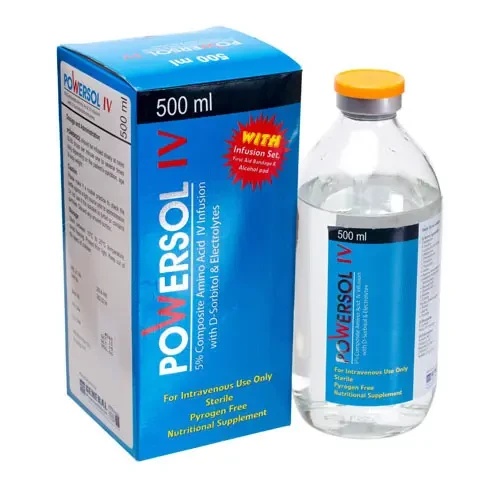
The combination of Amino Acids, D-Sorbitol, and Electrolytes is formulated to support nutritional balance, particularly in patients with specific metabolic needs or conditions that affect nutrient absorption or utilization. This combination is commonly used in medical nutrition therapy and oral rehydration solutions.
Uses
This combination is used for:
- Supporting patients with metabolic disorders or malabsorption issues.
- Providing nutritional support in cases of malnutrition or protein-energy malnutrition.
- Replenishing electrolytes and providing energy in cases of dehydration or diarrhea.
- Supporting overall metabolic function and fluid balance in clinical settings.
Mechanism of Action
Amino Acids provide essential building blocks for protein synthesis and various metabolic functions. D-Sorbitol acts as a mild laxative and helps in the management of constipation. Electrolytes such as sodium, potassium, and chloride help in maintaining fluid balance, nerve function, and muscle function. The combination helps in replenishing lost nutrients and restoring electrolyte balance.
How Long Does It Take to Work?
Effects can be observed relatively quickly, especially for electrolyte replenishment and improvement in hydration status. Nutritional support and improvement in symptoms related to amino acid deficiencies or electrolyte imbalances may take several days to weeks, depending on the underlying condition and individual response.
Absorption
Amino Acids and electrolytes are absorbed in the gastrointestinal tract. D-Sorbitol is absorbed and metabolized primarily in the liver. The efficiency of absorption can be affected by the presence of gastrointestinal disorders or other medical conditions.
Route of Elimination
Amino Acids are utilized in metabolic processes or excreted in the urine. Electrolytes are regulated by the kidneys and excreted through urine or sweat. D-Sorbitol is metabolized in the liver and its metabolites are excreted through urine.
Dosage
The dosage of this combination depends on the specific formulation and the patient's needs. It is typically tailored to individual requirements based on clinical assessments. Follow the dosage instructions provided by a healthcare provider or on the product label.
Administration
Administration can vary depending on the product. It is commonly available in oral forms such as solutions, powders, or tablets. For oral solutions or powders, mix with water as instructed and consume. Always follow the directions provided for correct administration.
Side Effects
Common side effects may include:
- Gastrointestinal discomfort such as nausea, bloating, or diarrhea.
- Possible allergic reactions to any component.
Serious side effects are rare but may include severe allergic reactions or electrolyte imbalances if not used as directed.
Toxicity
Overuse or incorrect use can lead to toxicity, particularly if there is excessive intake of electrolytes. Symptoms of toxicity may include electrolyte disturbances, dehydration, or gastrointestinal issues. Seek medical attention if symptoms of overdose occur.
Precautions
Precautions include:
- Monitor electrolyte levels regularly to avoid imbalances.
- Use with caution in patients with kidney or liver conditions.
- Inform your healthcare provider of any other medications or supplements being used.
Interaction
Interactions with other medications or supplements can occur. It is important to inform your healthcare provider of all current medications to avoid potential interactions. Certain medications may affect electrolyte levels or absorption.
Disease Interaction
Patients with conditions affecting kidney function, liver function, or gastrointestinal absorption should use this combination with caution. Regular monitoring may be required to adjust dosage and prevent complications.
Drug Interaction
Drug interactions can occur with medications affecting electrolyte balance, such as diuretics or antihypertensives. Ensure to discuss all current medications with your healthcare provider to avoid potential interactions.
Food Interactions
Generally, there are no significant food interactions with this combination. However, consuming it with a balanced diet can help optimize nutrient absorption and effectiveness.
Pregnancy Use
Consult your healthcare provider before using this combination during pregnancy. It is generally considered safe, but the dosage and need for supplementation should be carefully evaluated by a healthcare professional.
Lactation Use
It is generally considered safe to use during lactation, but consult your healthcare provider to ensure it meets your specific nutritional needs and does not interfere with breastfeeding.
Acute Overdose
In case of acute overdose, seek immediate medical attention. Symptoms of overdose may include severe gastrointestinal symptoms, electrolyte imbalances, or dehydration. Management may involve supportive care and correction of imbalances.
Contraindication
Contraindications may include hypersensitivity to any component of the formulation or specific medical conditions that contraindicate the use of certain electrolytes or amino acids. Consult your healthcare provider for personalized advice.
Use Direction
Follow the specific directions provided for the product. Typically, this involves mixing and consuming the prescribed amount as directed. Adhere to the recommended dosage and frequency for optimal results.
Storage Conditions
Store the product in a cool, dry place away from direct sunlight. Ensure it is kept in its original packaging and out of reach of children. Follow any additional storage instructions provided on the product label.
Volume of Distribution
The volume of distribution is related to the individual components. Amino acids and electrolytes are distributed throughout body fluids and tissues, while D-Sorbitol is primarily distributed in the liver before systemic excretion.
Half Life
The half-life of amino acids and electrolytes varies depending on their specific types and roles in the body. D-Sorbitol has a relatively short half-life, with rapid metabolism and excretion. The exact half-life can depend on individual metabolic rates and health conditions.
Clearance
Clearance of amino acids and electrolytes occurs primarily through renal excretion. D-Sorbitol is metabolized by the liver and cleared through the kidneys. Proper clearance is essential for maintaining electrolyte and fluid balance.