Introduction
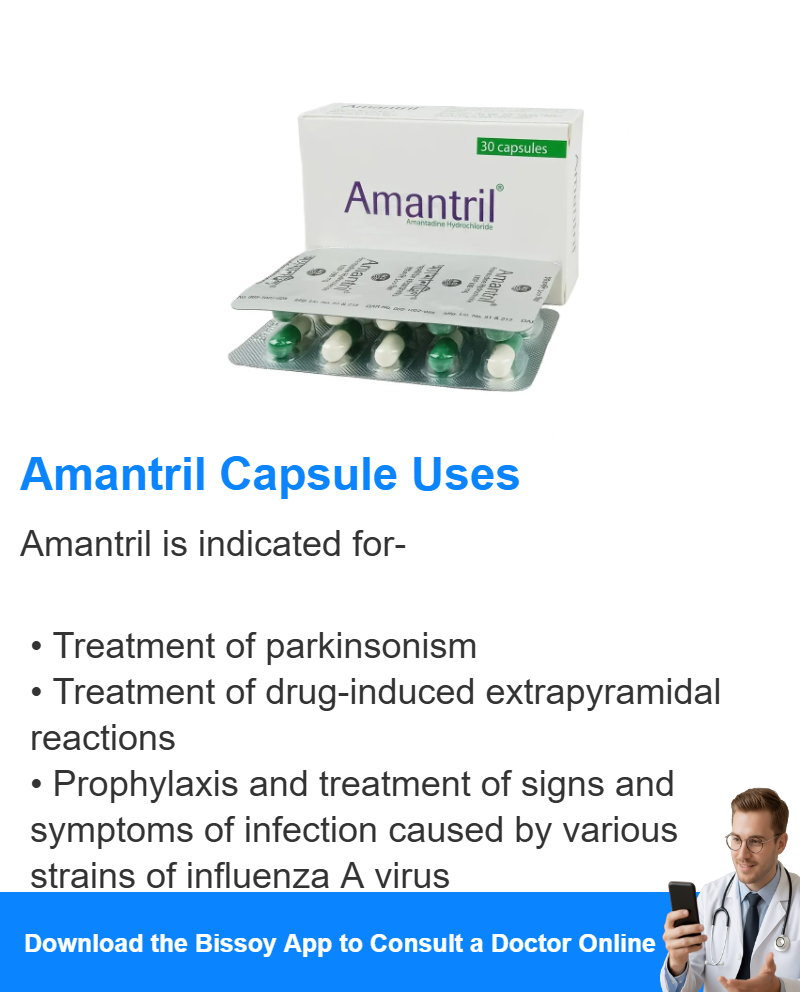
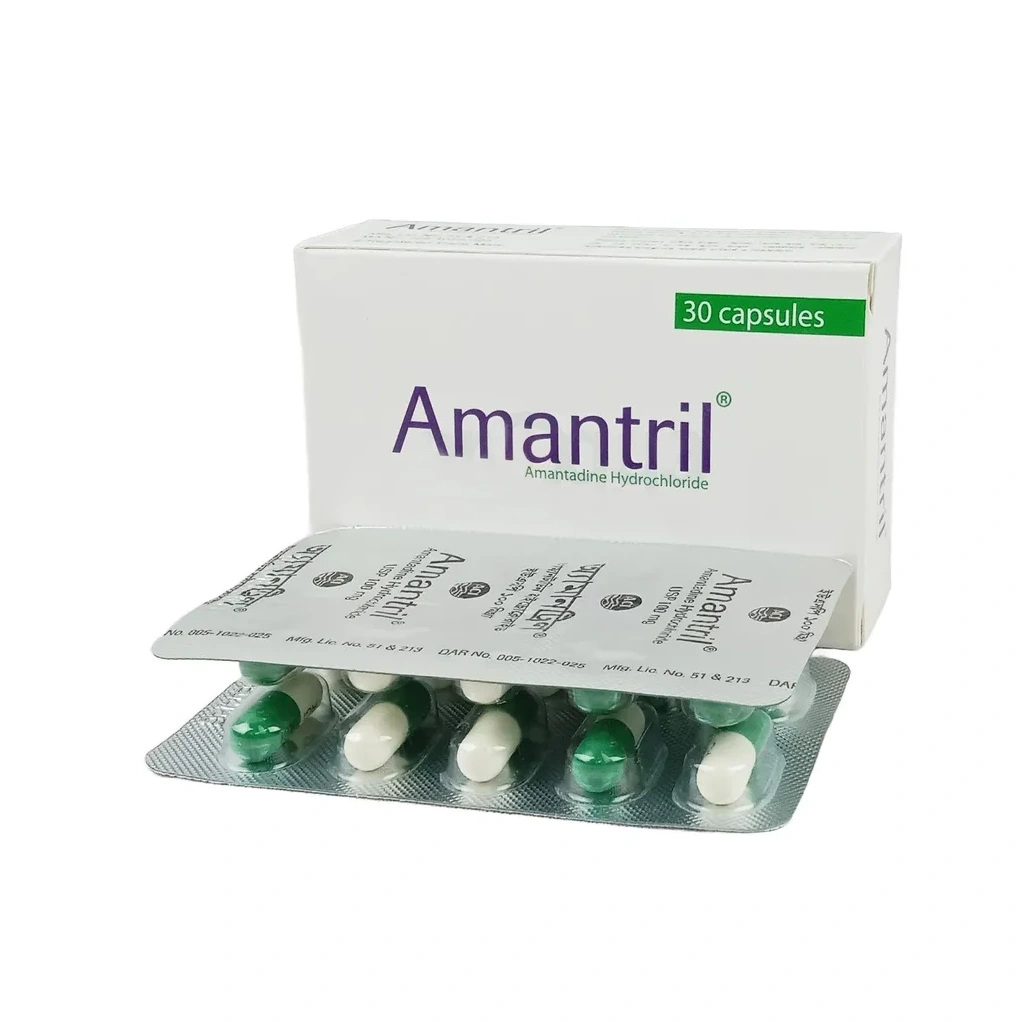
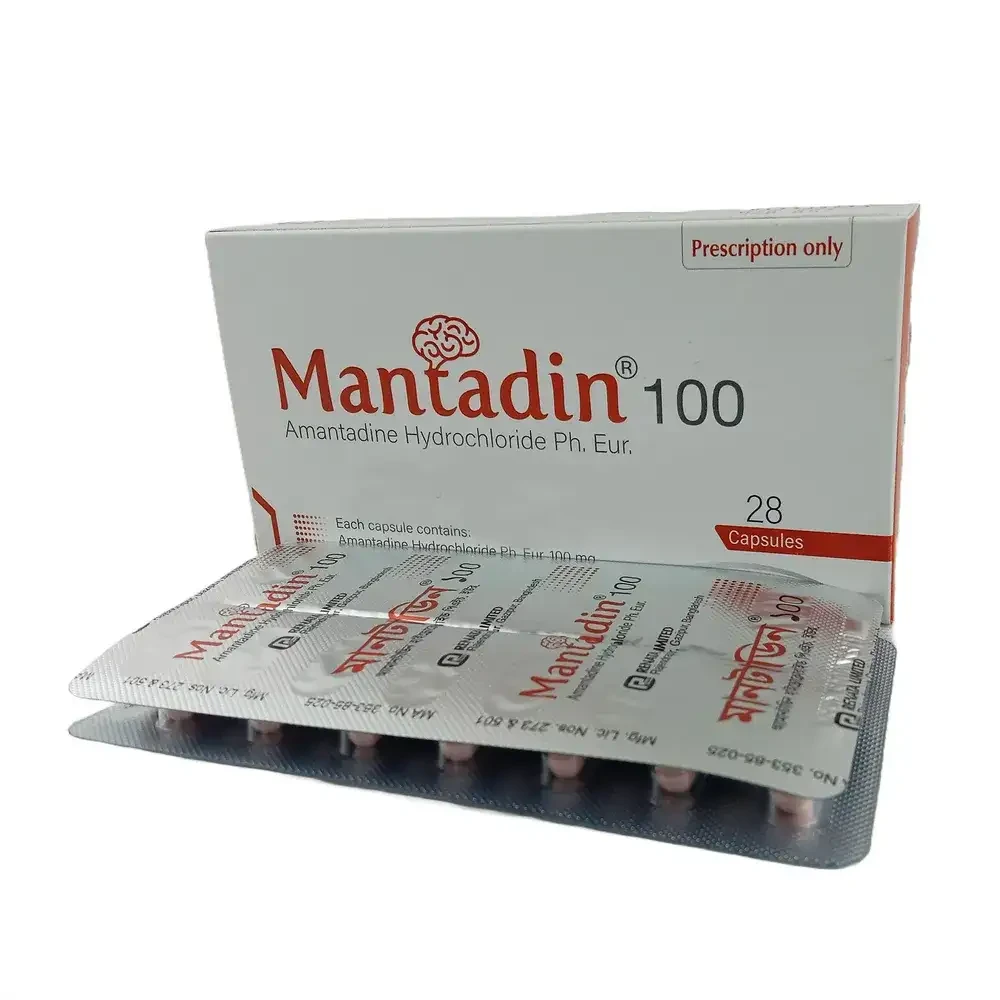
An antiviral that is used in the prophylactic or symptomatic treatment of influenza A. It is also used as an antiparkinsonian agent, to treat extrapyramidal reactions, and for postherpetic neuralgia. The mechanisms of its effects in movement disorders are not well understood but probably reflect an increase in synthesis and release of dopamine, with perhaps some inhibition of dopamine uptake.
Uses
Amantadine is a medication used to treat dyskinesia in Parkinson's patients receiving levodopa, as well as extrapyramidal side effects of medications.
For the chemoprophylaxis, prophylaxis, and treatment of signs and symptoms of infection caused by various strains of influenza A virus. Also for the treatment of parkinsonism and drug-induced extrapyramidal reactions.
Associated Conditions
Pharmacodynamics
Amantadine is an antiviral drug which also acts as an antiparkinson agent, for which it is usually combined with L-DOPA when L-DOPA responses decline (probably due to tolerance). It is a derivate of adamantane, like a similar drug rimantadine. The mechanism of action of amantadine in the treatment of Parkinson's disease and drug-induced extrapyramidal reactions is not known. It has been shown to cause an increase in dopamine release in the animal brain, and does not possess anticholinergic activity.
Mechanism of Action
The mechanism of its antiparkinsonic effect is not fully understood, but it appears to be releasing dopamine from the nerve endings of the brain cells, together with stimulation of norepinephrine response. It also has NMDA receptor antagonistic effects. The antiviral mechanism seems to be unrelated. The drug interferes with a viral protein, M2 (an ion channel), which is needed for the viral particle to become "uncoated" once it is taken inside the cell by endocytosis.
Absorption
Amantadine is well absorbed orally from the gastrointestinal tract.
Volume of Distribution
- 3 to 8 L/kg [healthy subjects]
Protein Binding
Approximately 67% bound to plasma proteins over a concentration range of 0.1 to 2.0 µg/mL.
Route of Elimination
It is primarily excreted unchanged in the urine by glomerular filtration and tubular secretion.
Half Life
Mean half-lives ranged from 10 to 14 hours, however renal function impairment causes a severe increase in half life to 7 to 10 days.
Clearance
- 0.2 - 0.3 L/hr/kg
- 0.10 +/- 0.04 L/hr/kg [healthy, elderly male]
Toxicity
Deaths have been reported from overdose with amantadine. The lowest reported acute lethal dose was 2 grams. Drug overdose has resulted in cardiac, respiratory, renal or central nervous system toxicity. Cardiac dysfunction includes arrhythmia, tachycardia and hypertension. Pulmonary edema and respiratory distress (including ARDS) have been reported. Renal dysfunction including increased BUN, decreased creatinine clearance and renal insufficiency can occur. Central nervous system effects that have been reported include insomnia, anxiety, aggressive behavior, hypertonia, hyperkinesia, tremor, confusion, disorientation, depersonalization, fear, delirium, hallucination, psychotic reactions, lethargy, somnolence and coma. Seizures may be exacerbated in patients with prior history of seizure disorders. Hyperthermia has also been observed in cases where a drug overdose has occurred.
Food Interactions
- Avoid alcohol.
- Take with or without food. The absorption is unaffected by food.
Dosage
- Adults: The usual dose is 100 mg twice a day when used alone.
- The initial dose of Amantadine is 100 mg daily for patients with serious associated medical illnesses or who are receiving high doses of other antiparkinson drugs. After one to several weeks at 100 mg once daily, the dose may be increased to 100 mg twice daily, if necessary.
- Occasionally, patients whose responses are not optimal with Amantadine at 200 mg daily may benefit from an increase up to 400 mg daily in divided doses.
- Dosage for Concomitant Therapy: Some patients who do not respond to anticholinergic antiparkinson drugs may respond to Amantadine.
- When Amantadine or anticholinergic antiparkinson drugs are each used with marginal benefit, concomitant use may produce additional benefit. When Amantadine and levodopa therapy are initiated concurrently, the patient can exhibit rapid therapeutic benefits. Amantadine dose, should be held constant at 100 mg daily or twice daily while the daily dose of levodopa is gradually increased to optimal benefit.
- When Amantadine is added to optimal well-tolerated doses of levodopa, additional benefit may result, including smoothing out the fluctuations in improvement which sometimes occur in patients on levodopa alone. Patients who require a reduction in their usual dose of levodopa because of development of side effects may possibly regain lost benefit with the addition of Amantadine.
- Adults: The usual dose is 100 mg twice a day.
- Occasionally, patients whose responses are not optimal with Amantadine at 200 mg daily may benefit from an increase up to 300 mg daily in divided doses.
- Adults: 200 mg/day as single dose or 100 mg twice daily. If CNS effects develop on a once- daily dosage, split dosage schedule may reduce complaints.
- Elderly over 65 years of age: 100 mg every day.
- Children: 1 to 9 years of age: 4.4 to 8.8 mg/kg/day; not to exceed 150 mg/day. 9 to 12 years of age: 100 mg twice daily
Patients with renal impairment: The dose should be reduced. This can be achieved by either reducing the total daily dose, or by increasing the dosage interval in accordance with the creatinine clearance.
Patients with hepatic impairment: Use with caution.