Introduction
Potassium citrate and citric acid are compounds commonly used together to manage and prevent certain types of kidney stones and to help maintain proper acid-base balance in the body. Potassium citrate acts as a urinary alkalizer, while citric acid is used to enhance the solubility of calcium and other minerals, reducing the risk of stone formation.
Uses
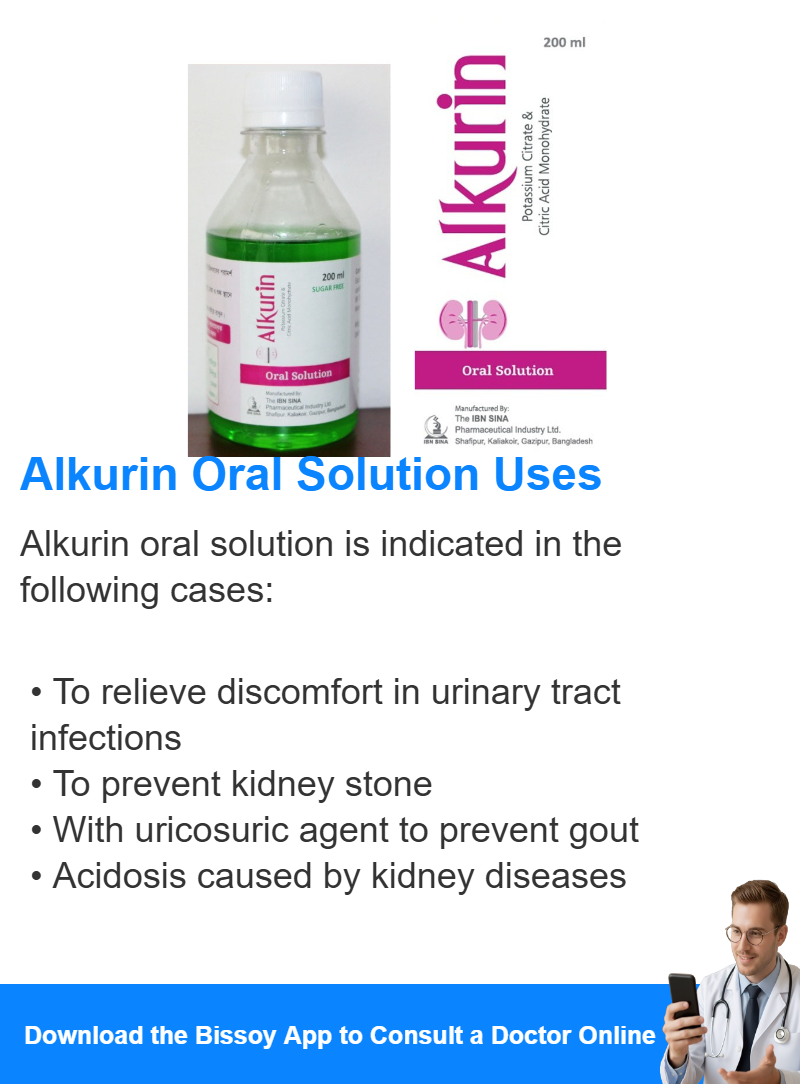
The combination of potassium citrate and citric acid is primarily used to:
- Prevent and treat kidney stones, particularly calcium stones
- Alkalize the urine to reduce stone formation and to aid in the dissolution of existing stones
- Manage certain types of metabolic acidosis
- Support overall urinary tract health
Mechanism of Action
Potassium citrate increases the pH of urine, making it more alkaline. This reduces the formation of calcium salts, which are less soluble in acidic environments. Citric acid further enhances this effect by binding with calcium and other minerals, thereby increasing their solubility and reducing the likelihood of stone formation.
How Long Does It Take to Work?
The effects of potassium citrate and citric acid typically become noticeable within a few weeks of consistent use. For kidney stones, the prevention of new stone formation or the reduction of existing stones may take several weeks to months. Improvements in urinary pH can be observed within a few days.
Absorption
Potassium citrate is absorbed in the gastrointestinal tract, where it dissociates into potassium and citrate ions. Citric acid is also absorbed in the digestive system, where it is metabolized to bicarbonate, contributing to the alkaline effect in the body.
Route of Elimination
Potassium is primarily excreted through the kidneys. Citrate, after being metabolized, is also excreted in the urine. Citric acid is converted into bicarbonate and utilized in various metabolic processes before being eliminated in the urine.
Dosage
To relieve discomfort in UTI:- Adults and children over 6 years: 10 ml 3 times daily, diluted with 1 glass of water.
- Children 1-6 years: 5 ml 3 times daily, diluted with ½ glass of water.
- Adults: 10-15 ml 4 times daily (or as directed by the physician) diluted with 1 glass of water.
- Pediatric: 5-10 ml 4 times daily (or as directed by the physician) diluted with ½ glass of water.
Dosage depends on the specific product and the condition being treated:
- For kidney stone prevention: Typically, 10-20 mEq of potassium citrate (often as 2-4 grams) taken 1-3 times daily
- For urinary alkalization: Doses may vary based on the severity of the condition and the specific formulation
Administration
Potassium citrate and citric acid are typically administered orally in tablet or liquid form. Tablets should be swallowed with a full glass of water, and liquids should be measured carefully and taken as directed. It is important to take these products with food or water to minimize gastrointestinal irritation.
Side Effects
Common side effects include:
- Gastrointestinal discomfort (e.g., nausea, abdominal pain, diarrhea)
- Flatulence
- Headache
- Hyperkalemia (high potassium levels) if used inappropriately or in excess
- Severe allergic reactions (e.g., rash, swelling, difficulty breathing)
- Renal impairment in susceptible individuals
Toxicity
Toxicity may occur with excessive use, leading to:
- Hyperkalemia: Symptoms may include weakness, fatigue, palpitations, and cardiac arrhythmias
- Metabolic alkalosis: Symptoms may include muscle twitching, hand tremors, and irritability
Precautions
Precautions should be taken in individuals with:
- Kidney disease or impaired renal function
- Heart conditions or those on medications affecting potassium levels
- Pre-existing metabolic disorders
Interaction
Interactions may include:
- Medications affecting potassium levels (e.g., potassium-sparing diuretics, ACE inhibitors)
- Medications affecting renal function
- Other medications that may influence electrolyte balance
Disease Interaction
The combination should be used with caution in patients with:
- Chronic kidney disease
- Heart disease or hypertension
- Metabolic alkalosis or other electrolyte imbalances
Drug Interaction
Drug interactions may occur with:
- Potassium-sparing diuretics: Risk of hyperkalemia
- ACE inhibitors: Potential increase in potassium levels
- Medications that alter acid-base balance
Food Interactions
Food interactions include:
- High potassium foods: May increase the risk of hyperkalemia when combined with potassium citrate
- Foods high in calcium or magnesium: May influence the effectiveness of potassium citrate in preventing stone formation
Pregnancy Use
The use of potassium citrate and citric acid during pregnancy should be carefully monitored. These compounds are generally considered safe when used as directed, but dosage and usage should be reviewed by a healthcare provider to avoid excessive potassium intake or imbalances.
Lactation Use
The combination is typically safe for use during lactation. Potassium and citrate are naturally occurring in breast milk, but it is important to follow dosage recommendations and consult a healthcare provider if any concerns arise.
Acute Overdose
Acute overdose may result in:
- Severe hyperkalemia: Symptoms include muscle weakness, fatigue, cardiac arrhythmias
- Metabolic alkalosis: Symptoms include muscle twitching, irritability
Contraindication
The combination is contraindicated in individuals with:
- Severe renal impairment
- Hyperkalemia
- Conditions that predispose to metabolic alkalosis
Use Direction
Follow the specific instructions provided with the product or by a healthcare provider. Typically, the product should be taken with food or water to minimize gastrointestinal irritation. Ensure proper measurement of liquid forms and adherence to recommended dosages.
Storage Conditions
Store at room temperature, between 15°C and 30°C, in a dry place. Protect from light and moisture. Keep out of reach of children and do not use beyond the expiration date.
Volume of Distribution
The volume of distribution for potassium citrate and citric acid is not typically specified for oral formulations. Potassium is distributed throughout the extracellular fluid, while citrate is distributed throughout the body’s fluids and tissues.
Half Life
The half-life of potassium and citrate varies:
- Potassium: Approximately 10-15 hours in the body, influenced by renal function
- Citric acid: Short half-life, rapidly metabolized to bicarbonate in the body
Clearance
Potassium is primarily cleared through the kidneys, with some excretion in sweat and feces. Citric acid is metabolized into bicarbonate and cleared through urine. Effective clearance may depend on renal function and overall fluid balance.