Introduction
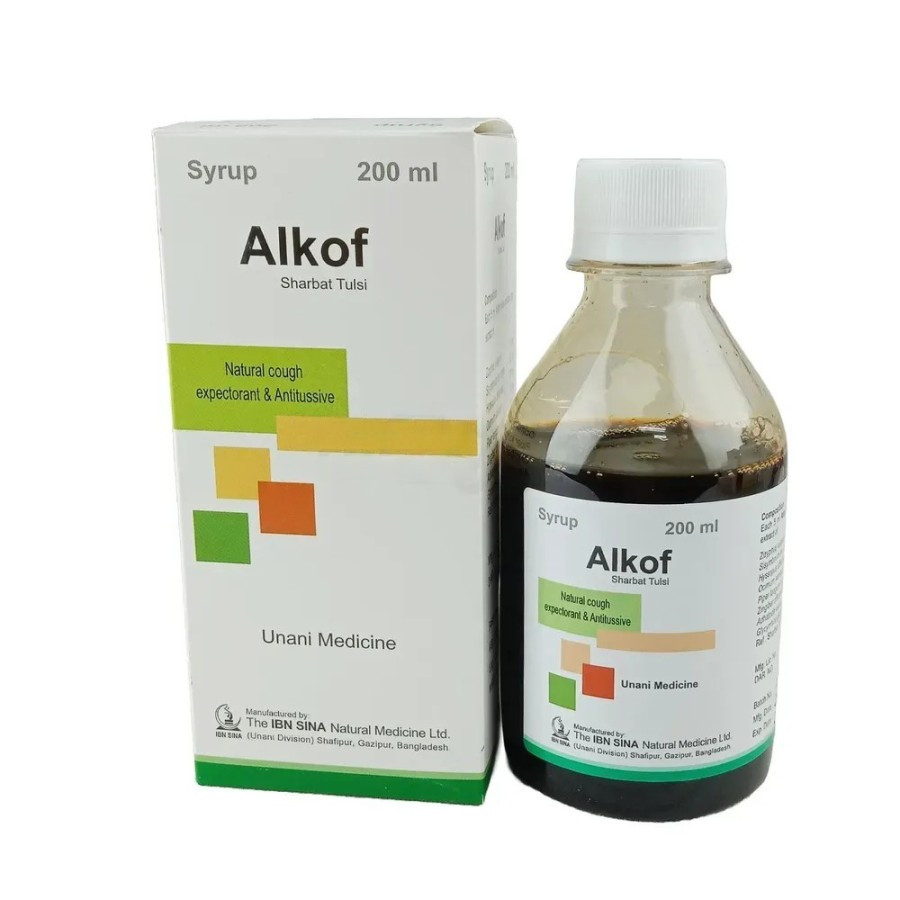
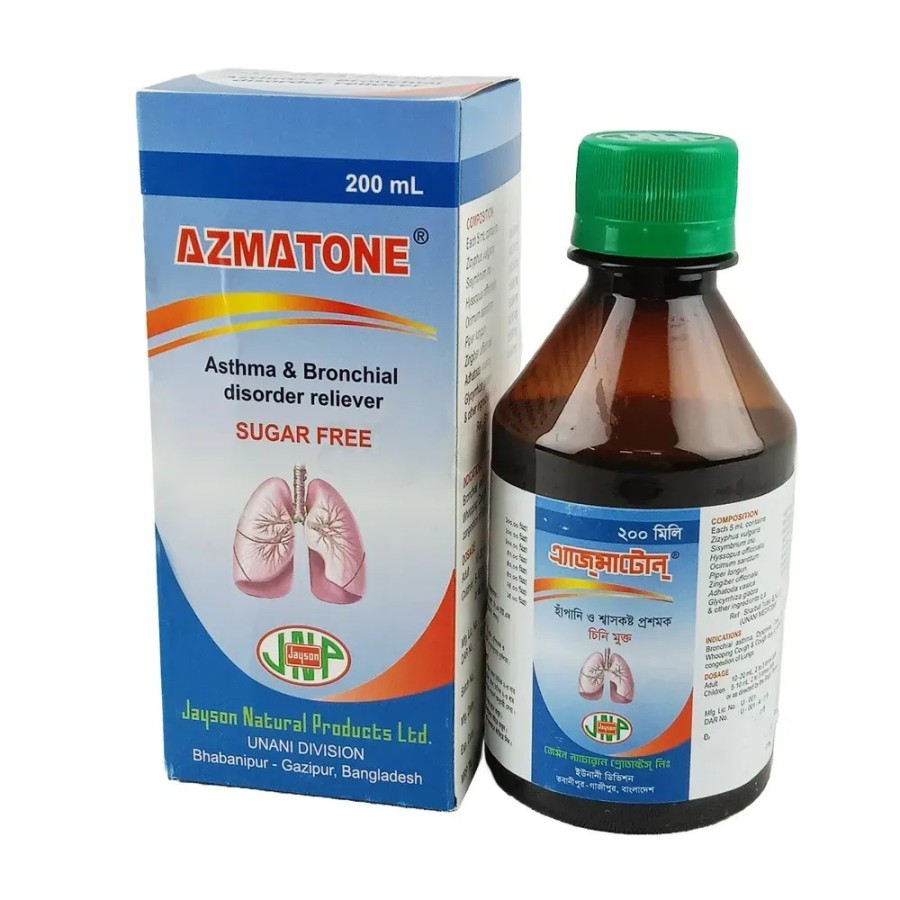
Sharbat Tulsi is an Ayurvedic herbal cough syrup traditionally used to alleviate coughs and cold symptoms. The primary ingredient is Tulsi (Ocimum sanctum), also known as holy basil, which is known for its expectorant, anti-inflammatory, and antimicrobial properties. It is often used in herbal formulations for treating respiratory issues, including cough, sore throat, and bronchitis.
Uses
Sharbat Tulsi is commonly used to treat conditions like cough, sore throat, cold, bronchitis, and other respiratory ailments. It also helps to relieve nasal congestion, reduce mucus production, and soothe irritation in the respiratory tract.
Mechanism of Action
The active ingredients in Tulsi and other herbs present in Sharbat Tulsi have expectorant properties, which help in thinning and expelling mucus from the respiratory tract. Tulsi also has antimicrobial properties that can combat respiratory infections, while its anti-inflammatory effects reduce irritation in the throat and airways.
How Long Does It Take to Work?
The onset of action can vary depending on the severity of symptoms and the individual’s response. Sharbat Tulsi typically begins to relieve symptoms within a few hours of the first dose, but consistent use over a few days may be required for more significant relief, especially in persistent coughs or respiratory conditions.
Absorption
As a herbal syrup, the absorption of Sharbat Tulsi occurs primarily through the gastrointestinal tract. The herbs are metabolized naturally by the body, though the exact pharmacokinetics are not well-documented in the same way as pharmaceutical drugs.
Route of Elimination
The constituents of Sharbat Tulsi are eliminated through natural metabolic processes, primarily via the liver and kidneys. As a herbal product, the specific route of elimination is not extensively studied but follows typical pathways of digestion, metabolism, and excretion.
Dosage
Adult: 3 tsf (15 ml) thrice daily.Child: 1-2 tsf 3 times daily,
General Dosage for Adults:
- For cough and cold symptoms, the recommended dosage is typically 1 to 2 teaspoons (5-10 mL) of Sharbat Tulsi syrup, taken 2 to 3 times a day after meals.
Children Dosage:
- For children, the recommended dose is usually 1 teaspoon (5 mL), taken 2 to 3 times daily. Dosage should be adjusted according to the age and weight of the child and under the supervision of a healthcare provider.
Dosage may vary based on the specific product formulation, so following the instructions on the product label or consulting a healthcare provider is recommended.
Administration
Sharbat Tulsi should be taken orally, typically after meals, to help with digestion and absorption. The syrup can be taken directly or mixed with a small amount of water or honey for improved taste and easier administration in children. Shake the bottle well before each use.
Side Effects
Sharbat Tulsi is generally considered safe when taken in recommended doses. However, some individuals may experience mild gastrointestinal discomfort, such as nausea or an upset stomach. Rarely, allergic reactions may occur in individuals sensitive to specific herbal ingredients.
Toxicity
There are no well-documented cases of toxicity associated with Sharbat Tulsi when used as directed. However, excessive consumption could potentially lead to gastrointestinal upset or liver strain, especially in individuals with pre-existing conditions.
Precautions
Sharbat Tulsi should be used with caution in individuals with known allergies to herbal products. Pregnant and breastfeeding women should consult a healthcare provider before use. Patients with underlying liver or kidney disease should also seek medical advice before starting any herbal formulations.
Interaction
While herbal products like Sharbat Tulsi are generally safe, they may interact with other medications or supplements. Patients taking anticoagulants, antidiabetic medications, or immunosuppressants should exercise caution as Tulsi may influence blood sugar levels and immune function.
Disease Interaction
Individuals with autoimmune diseases, such as lupus or rheumatoid arthritis, should be cautious when taking Sharbat Tulsi due to its potential effects on the immune system. Patients with liver or kidney disorders should also be cautious due to the potential strain from processing herbal components.
Drug Interaction
Sharbat Tulsi may interact with medications that affect blood sugar (e.g., insulin, metformin), anticoagulants (e.g., warfarin), and medications that suppress the immune system. It's advised to consult a healthcare provider before combining Sharbat Tulsi with any prescription medications.
Food Interactions
There are no significant food interactions reported with Sharbat Tulsi. It can be taken with or without food. However, taking it after meals is recommended to help with digestion and absorption.
Pregnancy Use
Pregnant women should consult their healthcare provider before using Sharbat Tulsi. While Tulsi has many health benefits, it also has the potential to influence hormone levels and immune function, which could affect pregnancy outcomes.
Lactation Use
It is advisable to consult a healthcare provider before using Sharbat Tulsi while breastfeeding. Although it is considered relatively safe, the effects of Tulsi on nursing infants are not well-studied.
Acute Overdose
Acute overdose of Sharbat Tulsi is rare, but excessive consumption may lead to nausea, vomiting, diarrhea, and possible liver strain. In the event of an overdose, discontinue use and seek medical advice promptly.
Contraindication
Sharbat Tulsi is contraindicated in individuals with known hypersensitivity to Tulsi or any other ingredients in the formulation. It should be used cautiously in individuals with autoimmune diseases or liver conditions.
Use Direction
Sharbat Tulsi should be taken according to the dosing recommendations on the product label or as directed by a healthcare provider. It should be taken consistently for maximum benefit, especially in the treatment of persistent coughs and colds.
Storage Conditions
Sharbat Tulsi should be stored in a cool, dry place, away from direct sunlight and moisture. Keep the bottle tightly closed and out of the reach of children. Do not refrigerate unless otherwise specified by the manufacturer.
Volume of Distribution
As an herbal remedy, the volume of distribution for Sharbat Tulsi has not been formally studied. However, it is believed to be widely distributed throughout the body, as it is absorbed through the digestive system.
Half-Life
The half-life of the active components in Sharbat Tulsi, including Tulsi's bioactive compounds like eugenol and ursolic acid, is not well-documented. However, these compounds are generally metabolized and cleared from the body within a few hours.
Clearance
Clearance of the components of Sharbat Tulsi is primarily through hepatic metabolism and renal excretion. Due to the herbal nature of the product, specific clearance rates are not readily available in the literature.