Introduction
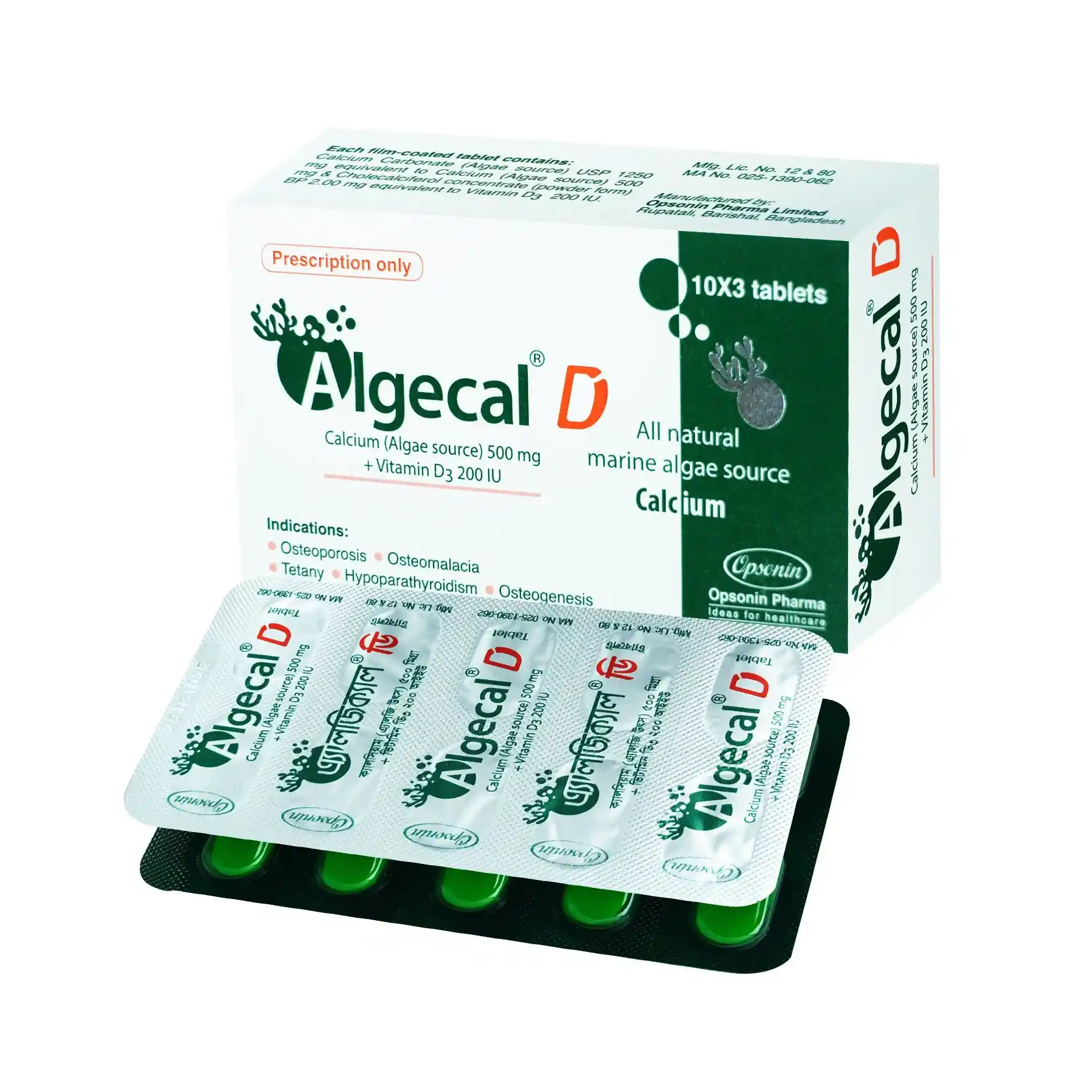
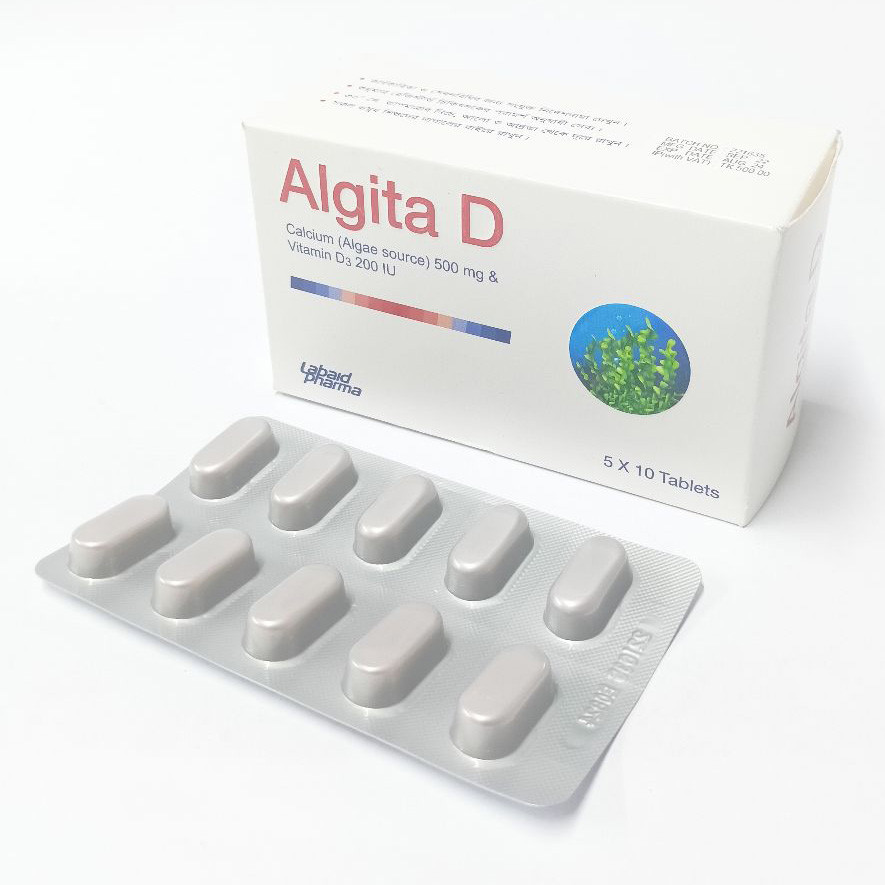
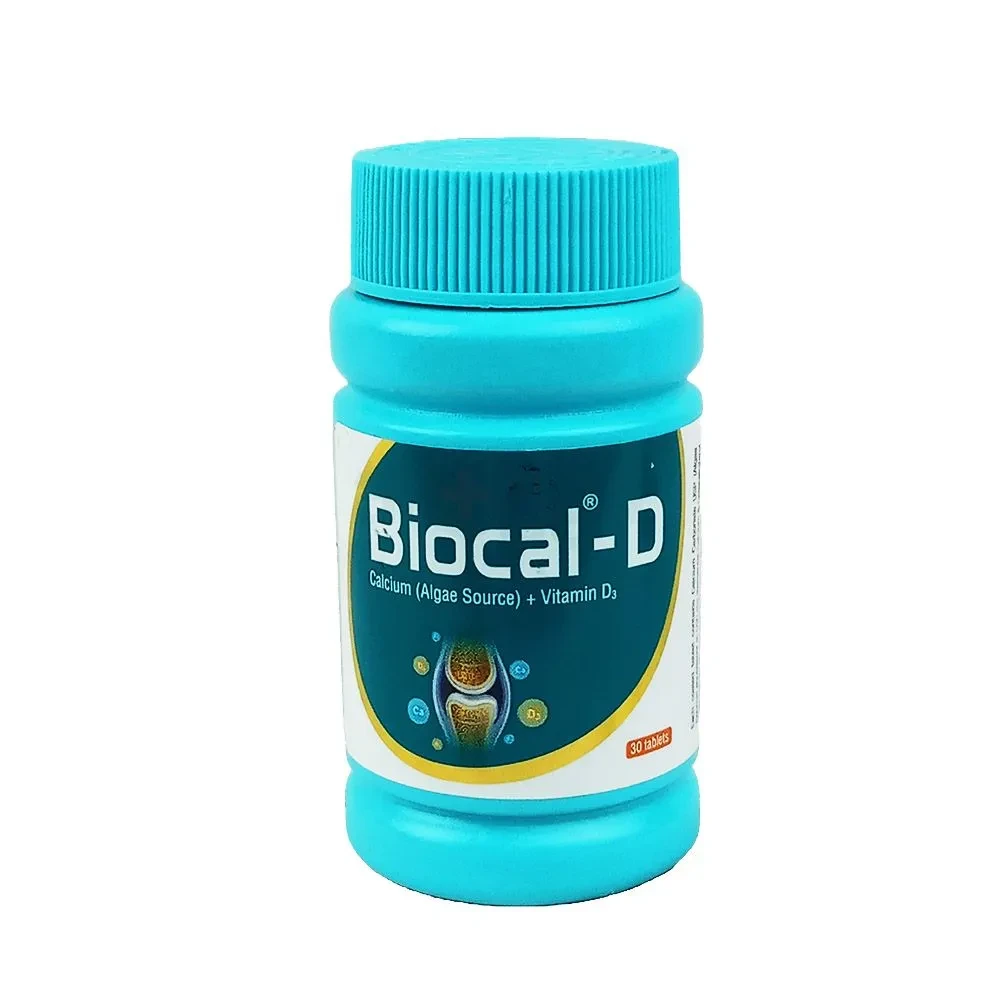
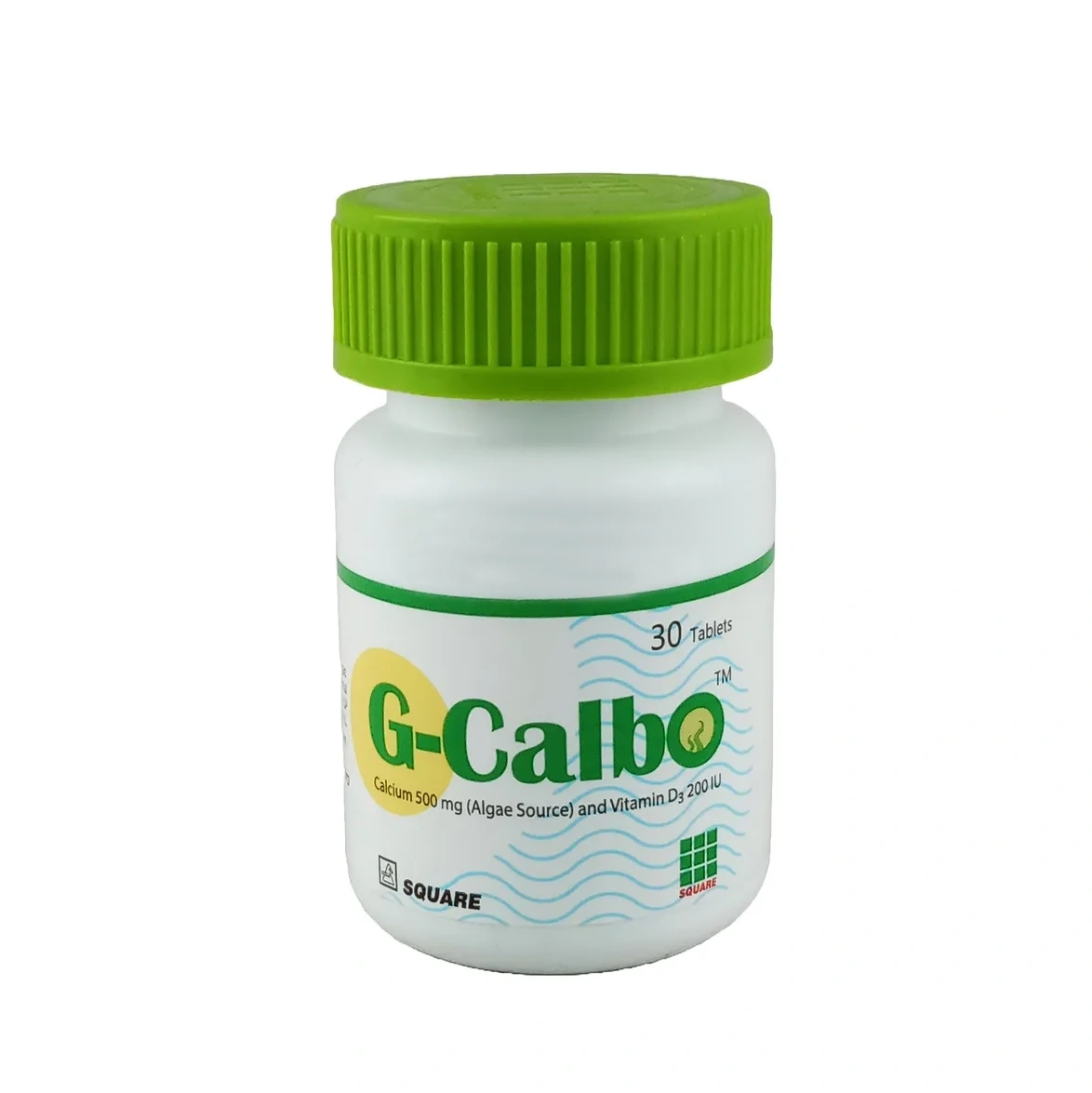
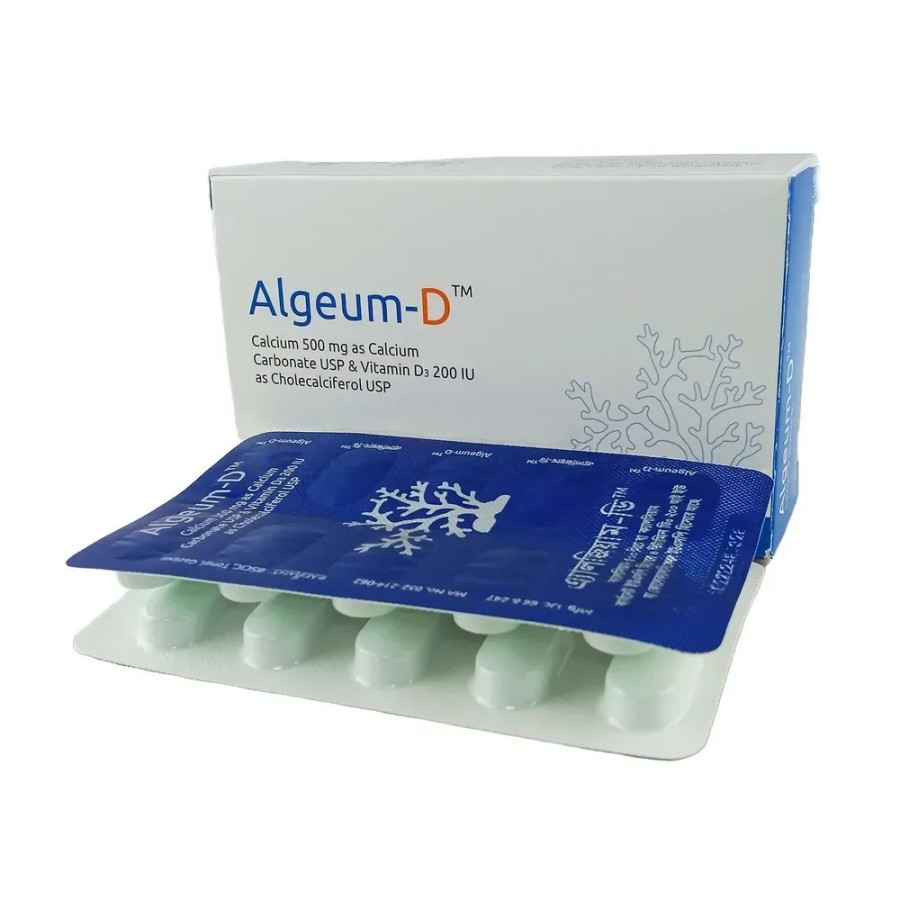
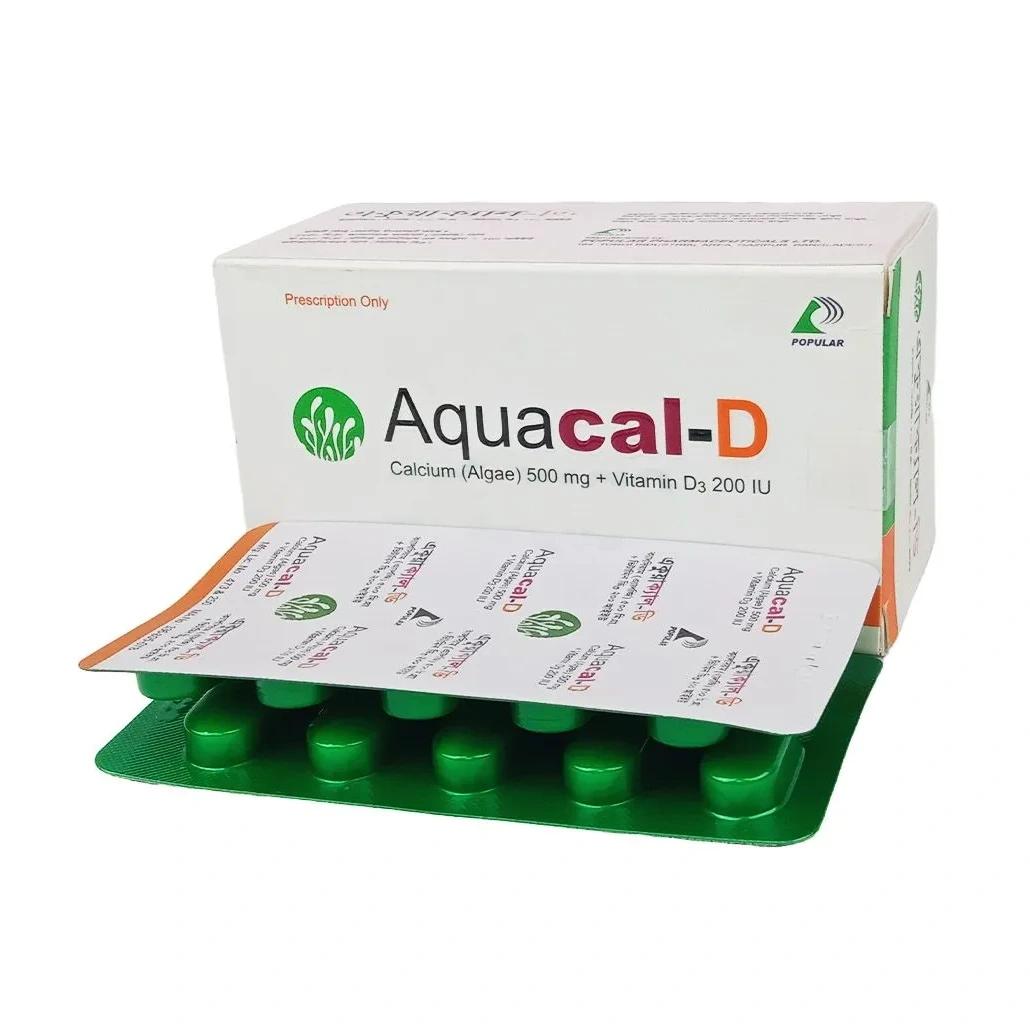
Calcium carbonate (from algae) and vitamin D3 is a combination supplement used to support bone health, particularly in individuals at risk of calcium or vitamin D deficiency. Calcium is essential for maintaining healthy bones and teeth, while vitamin D3 helps the body absorb calcium more effectively. The calcium in this supplement is derived from algae, making it a plant-based source, which is often preferred by individuals seeking non-animal-derived supplements.
Uses
This combination of calcium carbonate (from algae) and vitamin D3 is used for:
- Prevention and treatment of calcium deficiency
- Support of bone health in conditions like osteoporosis and osteopenia
- Prevention of bone loss in postmenopausal women and elderly individuals
- Support for proper muscle function and cardiovascular health
- Supplementing dietary calcium and vitamin D intake in individuals with limited sun exposure or dietary restrictions
Mechanism of Action
Calcium carbonate provides elemental calcium, which is absorbed in the intestines and used to build and maintain bone structure. Vitamin D3 (cholecalciferol) is converted to its active form in the liver and kidneys, where it enhances calcium absorption from the gut and helps regulate calcium and phosphate levels in the blood. This combination ensures that calcium is absorbed efficiently and utilized for bone formation and other physiological processes.
How Long Does It Take to Work?
The effects of calcium carbonate and vitamin D3 on calcium levels and bone density are gradual. Visible improvements in bone mineral density may take several months of consistent supplementation. Immediate effects on calcium levels in the blood may occur within a few hours after ingestion, particularly if taken with food.
Absorption
Calcium carbonate from algae is absorbed more efficiently than traditional sources of calcium carbonate. Absorption is best when taken with food. Vitamin D3 is absorbed in the small intestine, and its absorption is enhanced by dietary fats. Optimal absorption occurs when both components are taken with meals.
Route of Elimination
Excess calcium is primarily excreted through the urine, with smaller amounts excreted via feces and sweat. Vitamin D3 and its metabolites are excreted mainly through bile and feces, with minimal amounts excreted in urine.
Dosage
The typical dosage of calcium carbonate (from algae) with vitamin D3 depends on age, gender, and the individual's health status:
- Adults: 500-1200 mg of calcium daily, with 400-800 IU of vitamin D3, taken in divided doses with meals.
- Postmenopausal women and individuals with osteoporosis: 1000-1500 mg of calcium daily, with 800-2000 IU of vitamin D3.
- Children and adolescents: 600-1000 mg of calcium, with 400-800 IU of vitamin D3.
Administration
Calcium carbonate (from algae) and vitamin D3 supplements are administered orally, typically in tablet, capsule, or chewable form. It should be taken with food to enhance absorption. When high doses are required, it is usually recommended to split the dose throughout the day to improve absorption and reduce gastrointestinal discomfort.
Side Effects
Common side effects of calcium carbonate and vitamin D3 supplementation include:
- Constipation
- Bloating and gas
- Nausea
- Dry mouth
- Loss of appetite
- Hypercalcemia (high blood calcium levels)
- Kidney stones
- Weakness and fatigue
- Confusion and irregular heartbeat
Toxicity
Toxicity from calcium and vitamin D3 supplementation is rare but may occur with excessive intake. Symptoms of calcium toxicity (hypercalcemia) include nausea, vomiting, weakness, and confusion. Vitamin D toxicity can cause hypercalcemia, leading to symptoms such as kidney stones, bone pain, and calcification of soft tissues. Long-term toxicity may result in kidney damage or cardiovascular issues.
Precautions
Precautions should be taken in patients with:
- Hypercalcemia or hypervitaminosis D
- Kidney stones or chronic kidney disease
- Sarcoidosis or other granulomatous diseases
- Malabsorption syndromes (e.g., Crohn’s disease)
Interaction
Calcium carbonate and vitamin D3 may interact with several medications, including:
- Thiazide diuretics: Can increase the risk of hypercalcemia.
- Bisphosphonates: Calcium can reduce the absorption of these medications if taken simultaneously.
- Tetracyclines and quinolones: Calcium may interfere with the absorption of these antibiotics.
- Levothyroxine: Calcium can reduce the absorption of thyroid hormones.
- Digoxin: High calcium levels can increase the risk of digoxin toxicity.
Disease Interaction
This combination should be used with caution in patients with:
- Hypercalcemia or conditions that predispose to high calcium levels (e.g., hyperparathyroidism)
- Kidney disease or kidney stones
- Malabsorption syndromes, as they may affect vitamin D absorption
Drug Interaction
Calcium carbonate and vitamin D3 may interact with:
- Antacids containing aluminum or magnesium: Concurrent use can lead to increased calcium absorption and toxicity.
- Glucocorticoids: May decrease calcium absorption and increase the need for supplementation.
- Cholestyramine: Can reduce the absorption of vitamin D.
- Phenytoin and barbiturates: May reduce the effectiveness of vitamin D by increasing its metabolism.
Food Interactions
Calcium carbonate and vitamin D3 should be taken with food to enhance absorption, particularly with meals that contain fat to optimize vitamin D3 absorption. Foods high in oxalates (e.g., spinach) or phytates (e.g., whole grains) can interfere with calcium absorption and should be avoided around the time of taking the supplement.
Pregnancy Use
Calcium carbonate and vitamin D3 are generally considered safe during pregnancy, as calcium and vitamin D are essential for fetal bone development. However, pregnant women should avoid exceeding the recommended daily allowance (RDA) unless directed by a healthcare provider. Excessive calcium or vitamin D intake may lead to complications such as hypercalcemia or fetal abnormalities.
Lactation Use
Calcium and vitamin D3 supplementation is safe during breastfeeding and may be necessary for both the mother and the infant's bone health. Lactating women should ensure they are not exceeding the recommended dosage to avoid hypercalcemia or vitamin D toxicity.
Acute Overdose
Acute overdose of calcium and vitamin D3 can result in hypercalcemia, which presents with symptoms like nausea, vomiting, abdominal pain, weakness, and confusion. In severe cases, hypercalcemia may cause kidney failure, arrhythmias, and soft tissue calcification. Treatment involves discontinuing supplementation and providing supportive care, including hydration and, in severe cases, the use of medications to lower calcium levels.
Contraindication
Calcium carbonate and vitamin D3 are contraindicated in individuals with:
- Hypercalcemia
- Hypervitaminosis D
- Severe renal impairment or kidney stones
- Known hypersensitivity to any component of the supplement
Use Direction
Calcium carbonate and vitamin D3 should be taken according to the prescribed dosage, typically with meals to enhance absorption. For individuals taking multiple medications, it is important to take calcium supplements at least 2 hours apart from other drugs to avoid interactions. Patients should stay well-hydrated to minimize the risk of kidney stones.
Storage Conditions
Calcium carbonate and vitamin D3 supplements should be stored at room temperature, between 15°C and 30°C, in a dry place, protected from light and moisture. Keep the supplement out of reach of children.
Volume of Distribution
Calcium has a low volume of distribution as it is primarily concentrated in bones and teeth. Vitamin D3 has a larger volume of distribution because it is fat-soluble and stored in body fat and muscle tissues.
Half Life
The half-life of calcium carbonate is not directly applicable as it is continuously used by the body for bone and cellular functions. Vitamin D3 has a long half-life, ranging from 15 to 30 days, due to its storage in fat tissues.
Clearance
Calcium is primarily excreted through the kidneys. Vitamin D3 and its metabolites are cleared through the liver and excreted in bile and feces.