Introduction
Olopatadine is a selective histamine H1 antagonist and mast cell stabilizer that works by attenuating inflammatory and allergic reactions. It is a structural analog of doxepin, which has a minimal anti-allergic activity. Olopatadine works by blocking the effects of histamine, which is a primary inflammatory mediator that causes inflammatory and allergic reactions. In comparison to other anti-allergenic ophthalmic medications, olopatadine displays a good comfort and tolerability profile since it does not cause perturbation of cell membranes. Olopatadine is used for the symptomatic treatment of ocular itching associated with allergic conjunctivitis in ophthalmic formulations and seasonal allergic rhinitis in intranasal formulations.
Uses
Olopatadine is a histamine H1 antagonist used to treat allergic conjunctivitis and rhinitis.
Olopatadine is indicated for the symptomatic treatment of ocular itching associated with allergic conjunctivitis as ophthalmic solution.
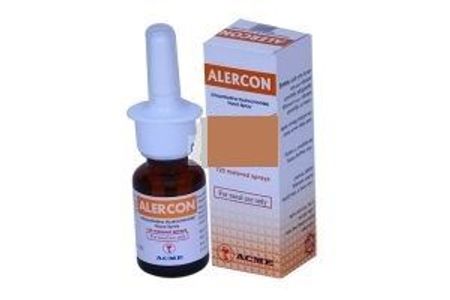
In nasal spray, olopatadine is indicated for the symptomatic relief of seasonal allergic rhinitis in patients 12 years of age and older.
Associated Conditions
Pharmacodynamics
Inflammatory reactions in response to various stimuli are mediated by endogenous mediators and other pro-inflammatory factors. Histamine receptor activation and mast cell degranulation are primary mechanisms that cause inflammatory reactions such as ocular itching, hyperemia, chemosis, eyelid swelling, and tearing of seasonal allergic conjunctivitis. Olopatadine is an anti-allergenic molecule and mast cell stabilizer that inhibits the in vivo type 1 immediate hypersensitivity reaction. By blocking the effects of histamine, olopatadine works to reduce the symptoms of allergies and inflammation at various sites of administration, including the eyes and nose. It has shown to exert antihistaminic effects in isolated tissues, animal models, and humans. Olopatadine also demonstrated dose-dependent inhibition of immunologically-stimulated release of histamine from rat basophilic leukemia cells and human conjunctival mast cells in vitro. Olopatadine has a relatively rapid onset of action and prolonged duration, where it was shown to mediate anti-histaminic effects at 5 minutes to 24 hours post-administration.
While olopatadine is a non-sedating antihistamine agent, there have been reports of somnolence in some patients taking nasal olopatadine during clinical trials. Temporary blurred vision or other visual disturbances were observed following ophthalmic administration. Olopatadine has negligible effects on alpha-adrenergic, dopamine, muscarinic type 1 and 2, and serotonin receptors. In clinical trials, there was no evidence of any effect of olopatadine on QT prolongation was observed following intranasal administration.
Mechanism of Action
Histamine is a biogenic vasoactive amine that binds to its receptors, which are G-protein coupled receptors. Signaling through the histamine H1 receptor is thought to primarily promote the activation of inflammatory reactions, such as allergy, asthma, and autoimmune diseases. H1 receptor signaling activates the intracellular transcription factors, such as IP3, PLC, PKC, DAG, and intracellular calcium ions, which all work to activate further downstream cascades. Activated downstream cascades lead to the production of cytokines, the release of mast cell inflammatory mediators, synthesis of prostacyclins, activation of platelet factor, as well as the synthesis of nitric oxide, arachidonic acid, and thromboxane, which all contribute to inflammatory reactions.
Olopatadine is an anti-allergic molecule that works via several mechanisms. As a mast cell stabilizer, it stabilizes rodent basophils and human conjunctival mast cells and inhibits the immunologically-stimulated release of histamine. Olopatadine acts as an antagonist at the histamine H1 receptors with high selectivity, which is explained by a unique receptor binding pocket that consists of the aspartate residue in the third transmembrane helix and other sites in the H1 receptor. Upon binding, olopatadine blocks the H1 receptor signaling pathway, inhibiting the release of inflammatory mediators, such as tryptase, prostaglandin D2, TNF-alpha, as well as pro-inflammatory cytokines. It also decreases chemotaxis and inhibits eosinophil activation. In vitro, olopatadine was shown to inhibit epithelial cell intercellular adhesion molecule-1 (ICAM-1), which promotes the recruitment of migrating pro-inflammatory mediators.
Absorption
Ocular administration of olopatadine in healthy subjects resulted in the Cmax of 1.6 ± 0.9 ng/mL, which was reached after about 2.0 hours. The AUC was 9.7 ± 4.4 ngxh/mL.
The average absolute bioavaiability of intranasal olopatadine is about 57%. Following intranasal administration in healthy subjects, the Cmax of 6.0 ± 8.99 ng/mL at steady-state was reached between 30 minutes to 1 hour after twice daily intranasal administration. The average AUC was 66.0 ± 26.8 ng·h/mL. In patients with seasonal allergic rhinitis, the Cmax of 23.3 ± 6.2 ng/mL at steady-state was reached between 15 minutes and 2 hours post-dosing and the average AUC was 78.0 ± 13.9 ng·h/mL.
Volume of Distribution
In an open-label study consisting of healthy Chinese subjects receiving oral administration of olopatadine, the mean apparent volume of distribution was 133.83 L.
Protein Binding
About 55% of total olopatadine is bound to human serum proteins, with serum albumin being the primary protein of binding.
Route of Elimination
Olopatadine is mainly eliminated through urinary excretion. Following oral administration, about 70% and 17% of the total dose was recovered in the urine and feces, respectively.
Half Life
Following ocular administration, the elimination half-life of olopatadine was 3.4 ± 1.2 hours. In oral pharmacokinetics study, the elimination half-life was reported to be 8 to 12 hours.
Clearance
In an open-label study consisting of healthy Chinese subjects receiving oral administration of olopatadine, the mean apparent oral clearance (CL/F) was 23.45 L/h.
Toxicity
Based on the findings of an acute toxicity study in animals, the oral LD50 of olopatadine was >1150 mg/kg in mice and >3870 mg/kg in rats. The Lowest published toxic dose via the oral route was 20 mg/kg in rat and 0.1 mg/kg in mouse.
There are no known reports on overdosage following oral, ophthalmic, or intranasal administration of olopatadine. Likely symptoms of antihistamine overdose may include drowsiness in adults and, initially, agitation and restlessness, followed by drowsiness in children. In case of suspected overdose, supportive and symptomatic treatment is recommended.
Food Interactions
No interactions found.
Dosage
- 0.1%: One drop in each affected eye two times per day at an interval of 6 to 8 hours.
- 0.2%: One drop in the affected eye once a day.
- 0.7%: One drop in each affected eye once a day.
- Administer Olopatadine Nasal Spray by the intranasal route only.
- Adults and Adolescents 12 years of age and older: Two sprays per nostril twice daily.\
- Children 6 to 11 years of age: One spray per nostril twice daily.
- Adults: Take 1 tablet (5 mg of the active ingredient) at a time, twice daily, in the morning and before going to bed. The dosage may be adjusted according to the disease, age or symptoms.
- Children 7 years old or over: Take 1 tablet (5 mg) at a time, twice daily, in the morning and before going to bed.
- If you miss a dose, take a dose as soon as you remember. However, if it is almost time for the next dose, skip the missed dose and follow your regular dosing schedule. You should never take two doses at one time. Do not stop taking this medicine unless your doctor instructs you to do so.