Introduction
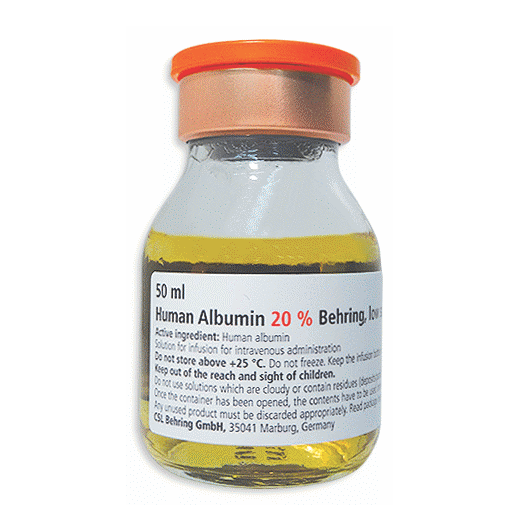
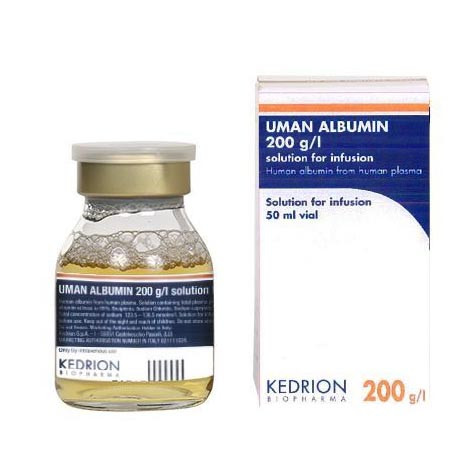
Albunorm IV Infusion 20% is a naturally occurring protein found in blood plasma. It is synthesized by the liver and serves various physiological roles, such as maintaining osmotic pressure and transporting hormones, fatty acids, and other compounds. Pharmaceutical-grade albumin is available as an injectable solution, often derived from human plasma, and is used in clinical settings to treat various conditions like hypovolemia, hypoalbuminemia, burns, and as a plasma expander in critically ill patients.
Uses
Albunorm IV Infusion 20% is used for several medical purposes:
- Treating low blood volume (hypovolemia) due to trauma, surgery, or severe blood loss.
- Treating hypoalbuminemia (low albumin levels) caused by liver disease, malnutrition, or chronic illness.
- As a plasma volume expander during burns or infections like sepsis.
- Managing conditions like nephrotic syndrome or acute respiratory distress syndrome (ARDS).
- In certain surgical procedures, such as cardiopulmonary bypass surgery, to maintain blood pressure and volume.
Mechanism of Action
Albunorm IV Infusion 20% works by increasing plasma oncotic pressure, which helps to draw fluid from the interstitial tissues back into the bloodstream, thus expanding blood volume. This improves blood pressure, cardiac output, and perfusion of vital organs. It also acts as a carrier for hormones, drugs, and ions, aiding in their transport and distribution throughout the body.
How Long Does It Take to Work?
Albunorm IV Infusion 20% typically works rapidly, within minutes of intravenous administration. Its effects on blood volume expansion and hemodynamic stability can be seen almost immediately, making it a valuable emergency treatment in critical care settings.
Absorption
Albunorm IV Infusion 20% is not absorbed orally due to its protein nature and must be administered intravenously. Once in the bloodstream, it distributes quickly within the plasma volume and exerts its effects.
Route of Elimination
Albunorm IV Infusion 20% is metabolized primarily by the liver and other reticuloendothelial cells. It is broken down into amino acids, which are then utilized or excreted through the kidneys. The rate of elimination depends on the body’s albumin requirements and the presence of disease.
Dosage
The dosage of albumin varies depending on the condition being treated. For hypovolemia, doses typically range from 25-50 grams of albumin solution. In hypoalbuminemia, dosage is adjusted based on serum albumin levels. Dosage must be carefully monitored by healthcare providers to avoid complications.
Administration
Albunorm IV Infusion 20% is administered via intravenous infusion, typically under hospital or clinical supervision. The rate of infusion depends on the patient’s condition, the concentration of the albumin solution, and the desired clinical effect. It is often diluted or administered slowly to prevent fluid overload or adverse reactions.
Side Effects
Common side effects of albumin include:
- Allergic reactions, including rash, hives, or difficulty breathing.
- Fluid overload, especially in patients with heart or kidney disease.
- Fever, chills, or nausea.
Severe side effects may include hypotension, tachycardia, or anaphylactic shock.
Toxicity
Toxicity with albumin administration is rare but can occur if large volumes are infused rapidly, leading to circulatory overload, pulmonary edema, or congestive heart failure. Monitoring of fluid balance, electrolytes, and renal function is essential during albumin therapy.
Precautions
Precautions include careful monitoring in patients with preexisting conditions like heart failure, severe anemia, or kidney dysfunction. Caution is also advised in patients with a history of allergic reactions to albumin or other blood products.
Interaction
Albunorm IV Infusion 20% may interact with certain medications, particularly those that bind to plasma proteins. For instance, co-administration with drugs that are highly protein-bound (e.g., warfarin, phenytoin) may alter their distribution and effectiveness. Healthcare providers should be aware of all concurrent medications to manage potential interactions.
Disease Interaction
Albunorm IV Infusion 20% should be used cautiously in patients with:
- Severe liver or kidney disease.
- Congestive heart failure or pulmonary edema, as fluid overload can worsen these conditions.
- Severe anemia, as albumin can exacerbate hypoxia in anemic patients.
Drug Interaction
Drug interactions can occur with medications that bind to plasma proteins, such as anticoagulants (e.g., warfarin), anticonvulsants (e.g., phenytoin), and certain antibiotics (e.g., sulfonamides). Close monitoring and dosage adjustments may be necessary when albumin is used with these drugs.
Food Interactions
There are no significant food interactions with albumin, as it is administered intravenously. However, patients should follow dietary recommendations given by their healthcare provider, especially in conditions like kidney disease where fluid balance and electrolytes are crucial.
Pregnancy Use
Albunorm IV Infusion 20% is classified as pregnancy category C, meaning its safety in pregnancy has not been fully established. It should only be used during pregnancy if the potential benefits outweigh the risks. Albunorm IV Infusion 20% therapy should be closely monitored in pregnant patients.
Lactation Use
There is limited data on the use of albumin during breastfeeding. Although it is a naturally occurring protein, it is recommended to consult a healthcare provider before administering albumin to breastfeeding women, especially in high doses.
Acute Overdose
In cases of acute overdose, symptoms may include fluid overload, pulmonary edema, or electrolyte imbalances. Immediate medical intervention is required to manage symptoms, often including diuretics to remove excess fluid and close monitoring of cardiovascular and respiratory status.
Contraindication
Contraindications to albumin include:
- Severe anemia or conditions where blood volume is already excessive.
- Known hypersensitivity or allergic reaction to albumin or any of its components.
- Dehydration without adequate fluid replacement.
Use Direction
Albunorm IV Infusion 20% should be used as directed by a healthcare provider. It is given intravenously, typically in a hospital or clinical setting. The healthcare team will determine the appropriate dosage and rate of administration based on the patient's condition and response to therapy.
Storage Conditions
Albunorm IV Infusion 20% should be stored at room temperature, away from direct light and heat. It should not be frozen, and any unused portion of an opened vial should be discarded according to the manufacturer’s instructions and healthcare guidelines.
Volume of Distribution
Albunorm IV Infusion 20% has a volume of distribution that remains largely within the vascular space, helping to maintain plasma volume and pressure. The exact volume of distribution may vary based on individual patient factors.
Half Life
The half-life of albumin in the circulation is approximately 15-20 days in healthy individuals. This can be shortened in critically ill patients or those with increased protein turnover, such as those with burns or sepsis.
Clearance
Albunorm IV Infusion 20% is cleared primarily by the liver and the reticuloendothelial system. Its clearance rate can be affected by the patient’s overall health, liver function, and protein needs. Renal excretion of breakdown products may also be affected in kidney disease.