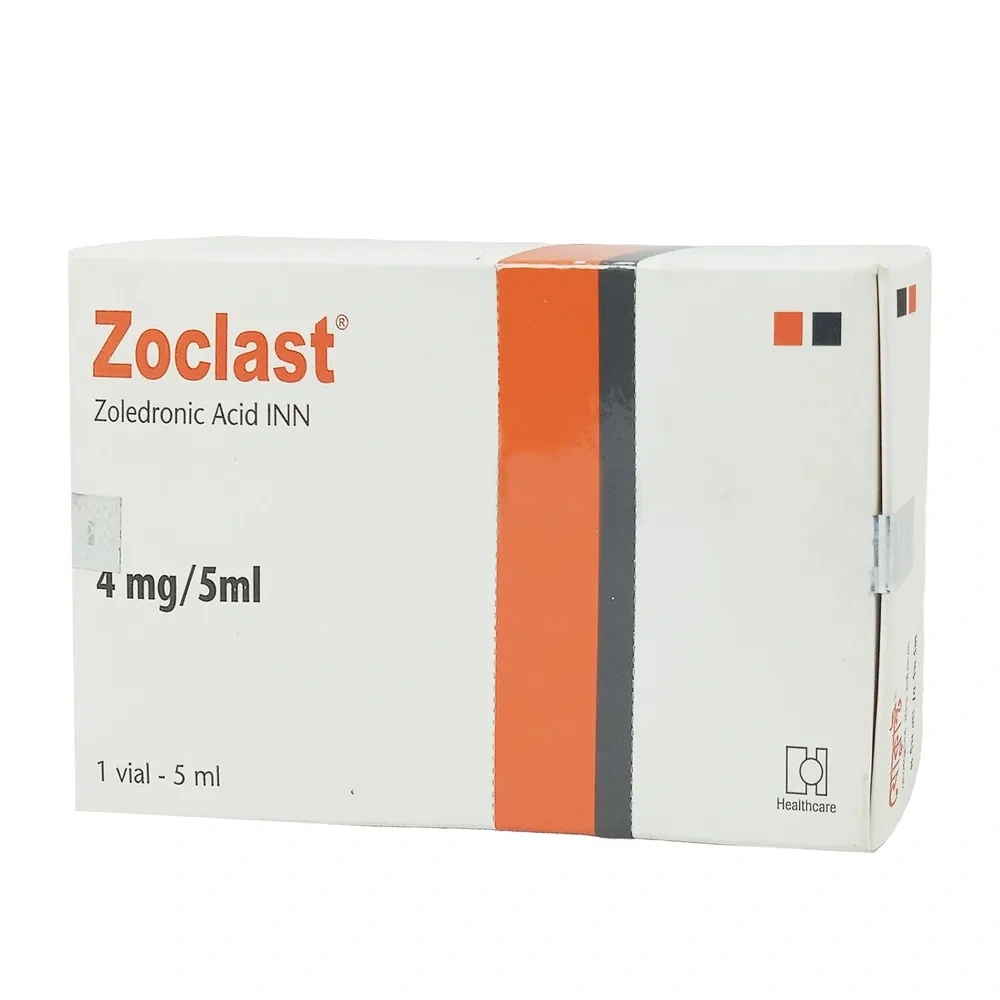
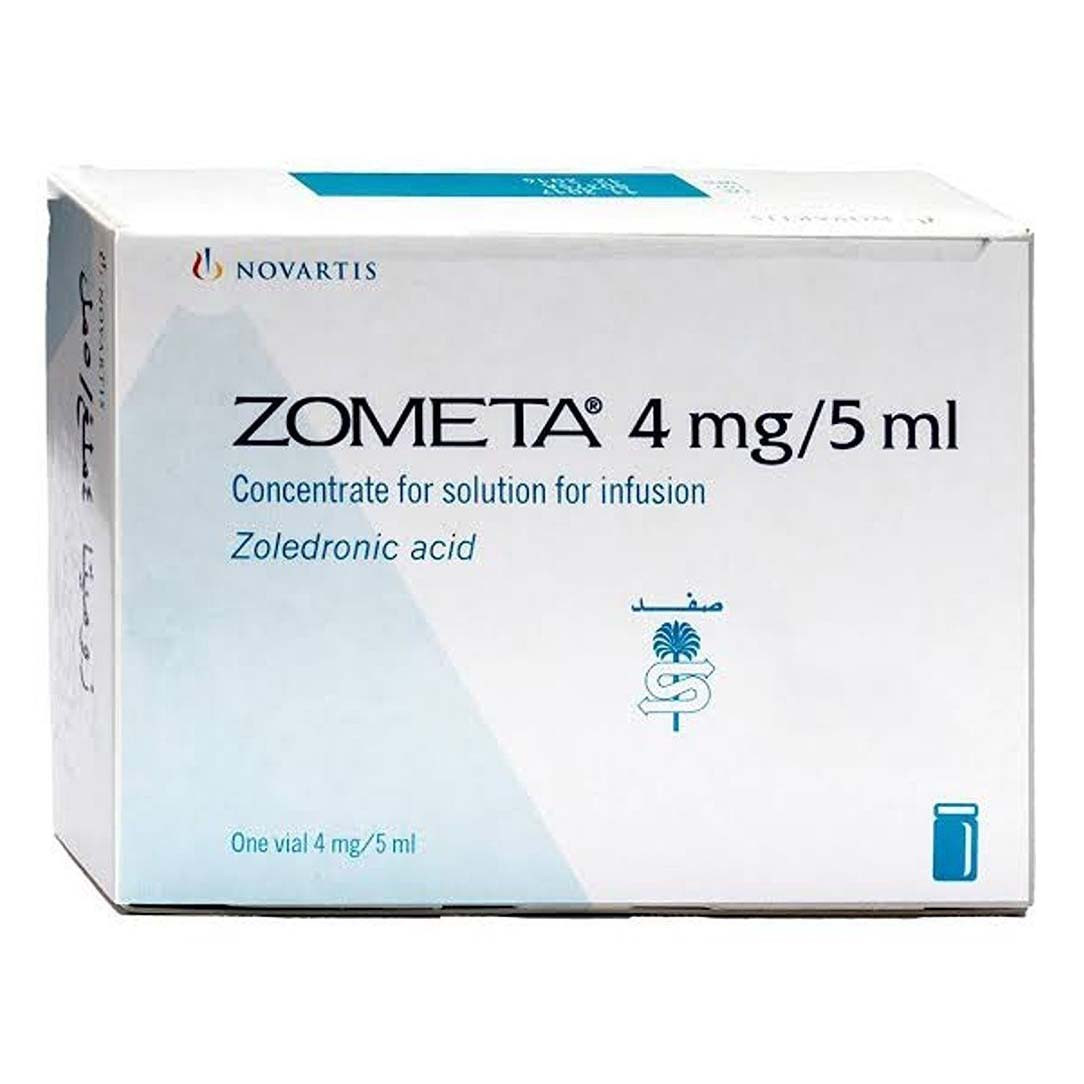
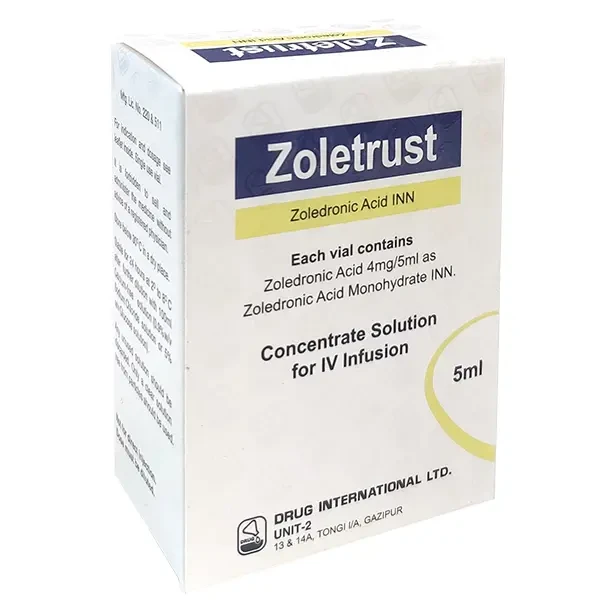
1. What is Zoledronic Acid?
Zoledronic Acid is a bisphosphonate medication primarily used to treat high calcium levels in the blood (hypercalcemia) caused by cancer. It is also used for treating bone diseases such as osteoporosis and Paget's disease of bone.
2. How does Zoledronic Acid work?
Zoledronic Acid works by inhibiting the activity of osteoclasts, which are cells responsible for breaking down bone tissue. This action helps reduce bone resorption and prevents excessive calcium from being released into the bloodstream, thus managing hypercalcemia.
3. What is hypercalcemia?
Hypercalcemia is a condition characterized by abnormally high levels of calcium in the blood. It can occur due to various conditions, including cancer, and may lead to symptoms like fatigue, nausea, vomiting, confusion, and heart arrhythmias.
4. What conditions is Zoledronic Acid used to treat?
Zoledronic Acid is mainly used to treat hypercalcemia associated with malignancy, osteoporosis, Paget's disease of bone, and bone complications related to metastatic cancer. It can also be used to prevent bone fractures in patients with bone metastasis.
5. How is Zoledronic Acid administered?
Zoledronic Acid is administered intravenously (IV) by a healthcare provider. The infusion is typically given over a period of 15 minutes, and the frequency of administration varies based on the condition being treated.
6. What is the usual dosage of Zoledronic Acid for hypercalcemia?
For hypercalcemia of malignancy, the usual dose of Zoledronic Acid is 4 mg given as a single IV infusion. It may be repeated if necessary, depending on the patient's calcium levels and response to treatment.
7. How quickly does Zoledronic Acid work?
Zoledronic Acid typically starts to work within a few days to a week after administration. For hypercalcemia, the reduction in calcium levels can be observed within 24 to 48 hours after the infusion.
8. What are the side effects of Zoledronic Acid?
Common side effects of Zoledronic Acid include:
- Flu-like symptoms (fever, chills, fatigue)
- Headache
- Bone, joint, or muscle pain
- Nausea or vomiting
- Low calcium levels (hypocalcemia)
9. What are the serious side effects of Zoledronic Acid?
Serious side effects may include:
- Kidney problems (e.g., decreased kidney function)
- Osteonecrosis of the jaw (bone death in the jaw)
- Severe allergic reactions (rash, swelling, difficulty breathing)
- Severe bone, joint, or muscle pain
10. Can Zoledronic Acid cause kidney problems?
Yes, Zoledronic Acid can cause kidney problems, including renal impairment. Kidney function should be monitored before and after treatment to ensure that the drug is being tolerated. Patients with pre-existing kidney disease are at higher risk for complications.
11. Is Zoledronic Acid safe during pregnancy?
Zoledronic Acid is classified as a Category D drug for pregnancy, meaning there is evidence of risk to the fetus. It should only be used during pregnancy if absolutely necessary and if the potential benefits outweigh the risks. Consult a healthcare provider before use during pregnancy.
12. Can Zoledronic Acid be used while breastfeeding?
It is not recommended to use Zoledronic Acid while breastfeeding, as it may pass into breast milk and affect the infant. Discuss with your doctor whether you should discontinue breastfeeding or avoid the medication.
13. Can Zoledronic Acid interact with other medications?
Yes, Zoledronic Acid can interact with other medications, especially those affecting kidney function. Some medications may increase the risk of kidney damage or affect how Zoledronic Acid is metabolized. Always inform your healthcare provider of all medications you're taking.
14. What should I do if I miss a dose of Zoledronic Acid?
If you miss a dose of Zoledronic Acid, contact your healthcare provider. They will determine when the next dose should be administered based on your condition and treatment plan.
15. How long does Zoledronic Acid stay in the body?
Zoledronic Acid remains in the body for a long time due to its slow clearance rate. The half-life is approximately 146 hours, meaning it takes several days for the body to eliminate half of the drug.
16. How should Zoledronic Acid be stored?
Zoledronic Acid should be stored in its original container at room temperature, away from moisture and heat. Keep it out of reach of children. It should be kept in a hospital or clinic setting until used.
17. What happens if I overdose on Zoledronic Acid?
An overdose of Zoledronic Acid may lead to severe hypocalcemia (low calcium levels) or kidney damage. Symptoms of overdose may include muscle cramps, spasms, or weakness. Seek immediate medical attention if you suspect an overdose.
18. Can Zoledronic Acid cause low calcium levels?
Yes, Zoledronic Acid can cause hypocalcemia, which can lead to symptoms such as muscle cramps, numbness, tingling, or seizures. Calcium levels should be monitored during treatment, and calcium supplements may be prescribed if necessary.
19. Can Zoledronic Acid be used in elderly patients?
Zoledronic Acid can be used in elderly patients, but they may be more susceptible to side effects such as kidney problems and electrolyte imbalances. Dosage adjustments may be required based on kidney function.
20. Is Zoledronic Acid safe for patients with osteoporosis?
Zoledronic Acid is commonly used in patients with osteoporosis to reduce the risk of fractures. It helps increase bone density and prevent bone resorption, thus improving bone strength and reducing fracture risk.
21. Can Zoledronic Acid be used for Paget's disease?
Yes, Zoledronic Acid is used to treat Paget's disease, a condition where bones become enlarged and weakened. It helps to regulate bone turnover and reduce bone pain.
22. What should I do if I experience side effects from Zoledronic Acid?
If you experience any side effects, especially severe ones such as difficulty breathing or chest pain, contact your healthcare provider immediately. They may adjust your treatment or provide remedies to help manage the symptoms.
23. Can Zoledronic Acid cause muscle or joint pain?
Yes, one of the common side effects of Zoledronic Acid is bone, muscle, or joint pain. This is usually temporary and resolves after a few days, but if it persists or becomes severe, consult your doctor.
24. Can Zoledronic Acid be given to patients with kidney disease?
Zoledronic Acid can be used in patients with kidney disease, but caution is required. Kidney function should be closely monitored, and the drug may need to be adjusted or avoided if the renal function is severely impaired.
25. What should I expect during a Zoledronic Acid infusion?
During a Zoledronic Acid infusion, the healthcare provider will administer the medication intravenously, which typically takes around 15 minutes. You may be monitored for any immediate reactions during the infusion, such as fever or flu-like symptoms.
26. How often will I need Zoledronic Acid infusions for hypercalcemia?
The frequency of Zoledronic Acid infusions depends on your response to treatment. For hypercalcemia, a single dose may be sufficient, but additional doses may be necessary if calcium levels remain high.
27. Can Zoledronic Acid be used to treat bone metastasis in cancer patients?
Yes, Zoledronic Acid is often used to treat bone metastasis in cancer patients. It helps reduce bone pain and fractures by inhibiting the bone resorption caused by metastatic cancer cells.
28. How does Zoledronic Acid help with bone pain in cancer patients?
Zoledronic Acid helps reduce bone pain in cancer patients by decreasing the breakdown of bone tissue. This reduces the risk of fractures and relieves pain associated with bone metastasis.
29. Is Zoledronic Acid effective for all types of hypercalcemia?
Zoledronic Acid is primarily effective for hypercalcemia caused by malignancy. It may not be as effective for other forms of hypercalcemia unless related to excessive bone resorption.
30. Can Zoledronic Acid be used for other types of hypercalcemia besides cancer?
Zoledronic Acid is most commonly used for hypercalcemia caused by cancer. However, it may be used off-label for other types of hypercalcemia if related to conditions like hyperparathyroidism or sarcoidosis.
31. What precautions should I take when using Zoledronic Acid?
Before starting treatment, inform your healthcare provider if you have kidney disease, jaw problems, or any history of bone fractures. Your doctor will assess your risks and may require regular monitoring of calcium and kidney function during treatment.
32. Can Zoledronic Acid cause dizziness or lightheadedness?
Dizziness or lightheadedness may occur as a side effect, especially when standing up quickly. To avoid this, rise slowly from a sitting or lying position. If symptoms persist, consult your doctor.
33. Can Zoledronic Acid affect my dental health?
Yes, Zoledronic Acid can cause osteonecrosis of the jaw, a condition where bone tissue in the jaw dies. It is important to maintain good dental hygiene and inform your dentist about your treatment before undergoing dental procedures.
34. Can Zoledronic Acid be used for osteoporosis in postmenopausal women?
Yes, Zoledronic Acid is used to treat osteoporosis in postmenopausal women. It helps reduce the risk of fractures by increasing bone density and reducing bone resorption.
35. Does Zoledronic Acid require special monitoring?
Yes, patients receiving Zoledronic Acid should have their calcium and kidney function levels monitored regularly. This ensures that the treatment is effective and that no adverse effects, such as low calcium or kidney impairment, occur.
36. Can Zoledronic Acid cause fever?
Fever is a common side effect of Zoledronic Acid, especially within the first few days of treatment. It is usually mild and resolves on its own, but you should consult your doctor if it persists.
37. What is the duration of treatment with Zoledronic Acid?
The duration of treatment with Zoledronic Acid depends on the condition being treated. For hypercalcemia, a single infusion may suffice, while for conditions like osteoporosis, treatment may be long-term, with periodic infusions.
38. Can Zoledronic Acid be used in children?
Zoledronic Acid is generally not recommended for use in children under 18, except in specific cases such as rare bone diseases, and should only be used under strict medical supervision.
39. Can I drive after receiving Zoledronic Acid?
Zoledronic Acid may cause side effects such as dizziness or fatigue, so it is advisable not to drive or operate heavy machinery if you experience these symptoms after treatment.
40. What are the potential long-term effects of Zoledronic Acid?
Long-term use of Zoledronic Acid can lead to bone complications such as osteonecrosis of the jaw or atypical fractures. Regular monitoring and early intervention can minimize these risks.
41. Can Zoledronic Acid be taken with other bisphosphonates?
Combining Zoledronic Acid with other bisphosphonates is generally not recommended. Your doctor will advise you on the best treatment options and avoid potential drug interactions.
42. Can Zoledronic Acid be used for bone pain without cancer?
Zoledronic Acid can help reduce bone pain in non-cancer conditions, such as osteoporosis or Paget's disease, by improving bone strength and reducing resorption.
43. Is Zoledronic Acid effective in preventing fractures?
Yes, Zoledronic Acid helps prevent fractures in patients with osteoporosis by increasing bone density and reducing the risk of bone resorption and fragility fractures.
44. What should I do if I experience an allergic reaction to Zoledronic Acid?
If you experience symptoms of an allergic reaction such as difficulty breathing, rash, or swelling, seek immediate medical attention.
45. Can Zoledronic Acid be used for cancer-related pain?
Zoledronic Acid is not used directly for cancer pain but helps alleviate bone pain caused by bone metastasis in cancer patients by reducing bone resorption.
46. How does Zoledronic Acid prevent fractures in cancer patients?
Zoledronic Acid reduces the risk of fractures in cancer patients with bone metastasis by inhibiting the activity of osteoclasts, which resorb bone tissue, thus stabilizing bone strength.
47. Can Zoledronic Acid be combined with radiation therapy?
Zoledronic Acid can be used alongside radiation therapy in cancer patients to manage bone-related complications, such as fractures or pain, but treatment should be coordinated by your oncologist.
48. Can Zoledronic Acid treat fractures caused by osteoporosis?
Zoledronic Acid helps reduce the risk of future fractures by strengthening bones, but it does not treat existing fractures. Additional treatments may be needed to address fracture healing.
49. How often is Zoledronic Acid given for Paget's disease?
For Paget's disease, Zoledronic Acid is usually given as a single infusion, though additional treatments may be needed depending on the patient's response.
50. What should I do if I have concerns about Zoledronic Acid treatment?
If you have concerns about Zoledronic Acid, discuss them with your healthcare provider. They can provide detailed information about the risks and benefits, as well as monitor your health during treatment.