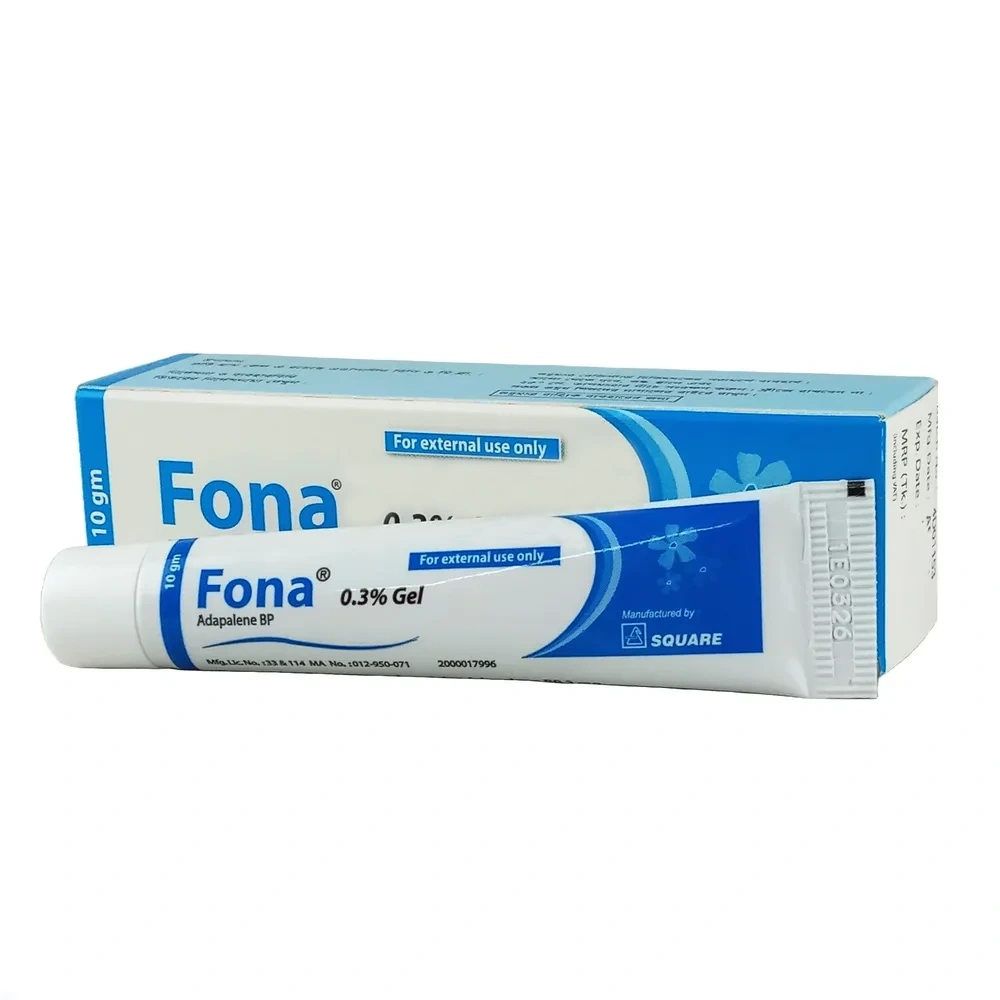
1. What is Adgar Gel 0.3%?
Adgar Gel 0.3% is a topical retinoid medication used primarily to treat acne. It works by affecting the growth of skin cells and reducing inflammation, which helps prevent pores from becoming clogged and forming acne.
2. How does Adgar Gel 0.3% work?
Adgar Gel 0.3% works by regulating the growth of skin cells. It helps prevent pores from becoming clogged by reducing the formation of comedones (pimples and blackheads) and has anti-inflammatory effects to reduce redness and swelling associated with acne.
3. What is Adgar Gel 0.3% used to treat?
Adgar Gel 0.3% is primarily used to treat acne vulgaris (common acne). It can help reduce the number and severity of pimples, blackheads, and whiteheads on the face, chest, and back.
4. How do I apply Adgar Gel 0.3%?
Adgar Gel 0.3% should be applied once daily in the evening to clean, dry skin. Apply a thin layer to the affected areas and avoid contact with the eyes, mouth, and mucous membranes.
5. Can I use Adgar Gel 0.3% with other acne treatments?
Adgar Gel 0.3% can be used with other acne treatments, but you should consult your doctor to avoid interactions or excessive skin irritation. Some treatments like benzoyl peroxide or other retinoids may cause increased irritation when used together.
6. How long does it take for Adgar Gel 0.3% to work?
It typically takes about 4 to 6 weeks of consistent use for Adgar Gel 0.3% to show noticeable improvement in acne. Some users may experience an initial worsening of acne before seeing improvements.
7. Can Adgar Gel 0.3% be used for sensitive skin?
Adgar Gel 0.3% can be used for sensitive skin, but it may cause dryness, redness, or peeling, especially during the first few weeks. Start with a lower strength (0.1%) and gradually increase usage to minimize irritation.
8. What are the common side effects of Adgar Gel 0.3%?
Common side effects of Adgar Gel 0.3% include:
- Dryness or peeling of the skin
- Redness or irritation
- Burning or stinging sensation
- Increased sensitivity to sunlight
9. Are there any serious side effects of Adgar Gel 0.3%?
Serious side effects are rare but can include severe skin irritation, allergic reactions, or severe dryness. If you experience intense redness, swelling, or blistering, stop using the medication and consult your doctor.
10. Can I use Adgar Gel 0.3% while pregnant?
Adgar Gel 0.3% is classified as a Category C drug during pregnancy, meaning its safety has not been well established. It should be used during pregnancy only if the benefits outweigh the potential risks. Consult your doctor if you are pregnant or planning to become pregnant.
11. Can Adgar Gel 0.3% be used while breastfeeding?
There is limited information about the use of Adgar Gel 0.3% during breastfeeding. It is unlikely to pass into breast milk in significant amounts, but you should consult your doctor before using it if you are breastfeeding.
12. How should I store Adgar Gel 0.3%?
Store Adgar Gel 0.3% at room temperature, away from moisture and heat. Keep the medication in its original packaging and out of the reach of children.
13. Can I use Adgar Gel 0.3% if I have eczema or other skin conditions?
If you have eczema or another skin condition, you should consult your doctor before using Adgar Gel 0.3%. It may worsen skin irritation in individuals with sensitive skin or certain skin conditions.
14. Can Adgar Gel 0.3% cause photosensitivity?
Yes, Adgar Gel 0.3% can increase sensitivity to sunlight, making your skin more prone to sunburn. It is important to wear sunscreen and avoid prolonged sun exposure while using Adgar Gel 0.3%.
15. How long should I use Adgar Gel 0.3% for acne treatment?
The duration of treatment depends on the severity of your acne. Many people use Adgar Gel 0.3% for several months, with some continuing treatment to maintain acne control. Follow your healthcare provider’s recommendations for how long to use the medication.
16. Can I use Adgar Gel 0.3% if I have rosacea?
Adgar Gel 0.3% is not recommended for the treatment of rosacea, as it may worsen the condition. Consult your healthcare provider for appropriate treatment options if you have rosacea.
17. Is Adgar Gel 0.3% effective for acne scars?
Adgar Gel 0.3% is primarily used to treat active acne. While it may help reduce the appearance of acne scars by promoting skin turnover and reducing new breakouts, it is not a primary treatment for scars. Other treatments, such as laser therapy or chemical peels, may be more effective for scars.
18. Can I use makeup while using Adgar Gel 0.3%?
Yes, you can use makeup while using Adgar Gel 0.3%, but it’s important to use non-comedogenic (non-pore clogging) makeup. Additionally, avoid heavy makeup that may irritate your skin, especially during the initial stages of treatment.
19. What should I do if I miss a dose of Adgar Gel 0.3%?
If you miss a dose of Adgar Gel 0.3%, apply it as soon as you remember, unless it is almost time for your next dose. In that case, skip the missed dose and continue with your regular schedule. Do not apply extra to make up for the missed dose.
20. Can Adgar Gel 0.3% be used on the chest and back?
Yes, Adgar Gel 0.3% can be used on the chest, back, and other areas where acne is present. However, avoid using it on broken or irritated skin, as this may lead to increased irritation.
21. What should I avoid while using Adgar Gel 0.3%?
While using Adgar Gel 0.3%, avoid exposure to excessive sun, tanning beds, and harsh skin treatments like chemical peels. It’s also important to avoid using other products that could dry out the skin, such as astringents or alcohol-based toners.
22. Is there a generic version of Adgar Gel 0.3% available?
Yes, a generic version of Adgar Gel 0.3%, typically marketed under the name Differin, is available. Generic versions are usually more affordable and contain the same active ingredient.
23. What should I do if I experience severe irritation from Adgar Gel 0.3%?
If you experience severe irritation, redness, swelling, or blistering, discontinue use and consult your doctor immediately. They may recommend a less potent treatment or other forms of acne management.
24. Can Adgar Gel 0.3% be used on sensitive areas such as around the eyes?
Adgar Gel 0.3% should not be applied near the eyes, lips, or mucous membranes, as it may cause irritation. Be careful to avoid these areas when applying the medication.
25. Can I use Adgar Gel 0.3% with other skincare products?
Be cautious when using Adgar Gel 0.3% with other skincare products, particularly those that contain alpha hydroxy acids (AHAs), beta hydroxy acids (BHAs), or other exfoliating ingredients. These can increase irritation when combined with Adgar Gel 0.3%. Always consult with your doctor or dermatologist.
26. Can I use Adgar Gel 0.3% if I have sensitive skin?
Yes, Adgar Gel 0.3% can be used by individuals with sensitive skin, but it may cause dryness, peeling, or irritation, especially in the early stages of treatment. It’s best to start with a lower concentration and gradually increase use as your skin adjusts.
27. Can Adgar Gel 0.3% cause peeling?
Peeling is a common side effect of Adgar Gel 0.3%. It occurs because the medication promotes the shedding of dead skin cells. This is a normal part of the treatment process, although excessive peeling may indicate irritation.
28. Can I use Adgar Gel 0.3% if I have oily skin?
Yes, Adgar Gel 0.3% can be beneficial for individuals with oily skin as it helps regulate the turnover of skin cells and prevents clogged pores, which can lead to acne.
29. Can Adgar Gel 0.3% be used for other skin conditions like psoriasis?
Adgar Gel 0.3% is not typically used to treat psoriasis, as it may cause irritation in individuals with this condition. Consult a healthcare provider for appropriate treatment options for psoriasis.
30. Does Adgar Gel 0.3% work for all types of acne?
Adgar Gel 0.3% is effective for treating mild to moderate acne, particularly acne vulgaris. It may not be as effective for severe cystic acne, and other treatments, such as oral medications, may be recommended in those cases.
31. How does Adgar Gel 0.3% differ from other retinoids?
Adgar Gel 0.3% is a third-generation retinoid, and it differs from older retinoids like tretinoin by being less irritating to the skin. It has a more stable chemical structure, making it less likely to degrade when exposed to light and air.
32. Can I use Adgar Gel 0.3% in combination with benzoyl peroxide?
Adgar Gel 0.3% and benzoyl peroxide can be used together, but they should not be applied at the same time. It is best to use them at different times of the day (e.g., benzoyl peroxide in the morning and Adgar Gel 0.3% at night) to reduce irritation.
33. Can I apply Adgar Gel 0.3% on broken skin?
No, you should not apply Adgar Gel 0.3% on broken, sunburned, or irritated skin, as this may cause additional irritation. Wait until the skin has healed before using the medication.
34. Can I use Adgar Gel 0.3% after a chemical peel?
After a chemical peel, your skin may be sensitive and irritated. It’s best to wait until your skin has fully healed before starting Adgar Gel 0.3%, as the combination can cause excessive dryness and irritation.
35. Can Adgar Gel 0.3% cause an allergic reaction?
Although rare, Adgar Gel 0.3% can cause allergic reactions such as swelling, itching, or rash. If you experience these symptoms, stop using the medication and consult your doctor.
36. Can I use Adgar Gel 0.3% for acne scars?
Adgar Gel 0.3% can help with the prevention of acne scars by treating active acne, but it does not directly reduce the appearance of existing scars. For scar treatment, consider other therapies like laser treatments or chemical peels.
37. How often should I apply Adgar Gel 0.3%?
Adgar Gel 0.3% is typically applied once daily in the evening. Overuse may lead to excessive dryness and irritation, so it’s important to follow your doctor’s instructions on usage.
38. Can I use Adgar Gel 0.3% if I have a sunburn?
It’s not advisable to use Adgar Gel 0.3% if you have a sunburn, as it can further irritate the skin. Wait until your skin has healed before resuming use.
39. What should I do if Adgar Gel 0.3% makes my skin worse?
It is common for acne to worsen initially when starting Adgar Gel 0.3%. However, if the irritation is severe or persists, consult your healthcare provider to discuss alternative treatments.
40. Can I use Adgar Gel 0.3% if I have dry skin?
If you have dry skin, Adgar Gel 0.3% may cause further dryness and irritation. It’s important to moisturize your skin regularly and start with a lower strength of Adgar Gel 0.3% to minimize irritation.
41. Can I use Adgar Gel 0.3% if I am taking oral antibiotics for acne?
Yes, you can use Adgar Gel 0.3% along with oral antibiotics for acne, but you should consult your healthcare provider to avoid any potential interactions or excessive skin irritation.
42. Can Adgar Gel 0.3% be used for acne on the arms or legs?
Adgar Gel 0.3% can be used for acne on the arms or legs, but it is most commonly used on the face. Be cautious when applying it to large areas, as this can increase the risk of irritation.
43. Does Adgar Gel 0.3% interact with any other medications?
Adgar Gel 0.3% may interact with other topical medications that cause skin irritation, such as astringents or other acne treatments. It’s important to inform your doctor about all medications you are using to avoid adverse reactions.
44. What should I do if Adgar Gel 0.3% causes excessive dryness?
If Adgar Gel 0.3% causes excessive dryness, reduce the frequency of application or use a more gentle moisturizer to help your skin adjust. If dryness persists, consult your doctor.
45. Can I use Adgar Gel 0.3% if I have oily skin?
Yes, Adgar Gel 0.3% is particularly effective for individuals with oily skin. It helps reduce oil production and prevent clogged pores that lead to acne.
46. Can I apply Adgar Gel 0.3% all over my face?
Yes, you can apply Adgar Gel 0.3% to the entire face, but avoid areas such as the eyes, mouth, and mucous membranes. Apply it as a thin layer to the affected areas.
47. Can I use Adgar Gel 0.3% in conjunction with sunscreen?
Yes, it’s important to use sunscreen while using Adgar Gel 0.3%, as it increases skin sensitivity to sunlight. Use a broad-spectrum sunscreen with an SPF of at least 30 to protect your skin.
48. Can I use Adgar Gel 0.3% after a facial treatment?
It’s best to wait a few days after a facial treatment before using Adgar Gel 0.3%, as your skin may be sensitive. Consult your dermatologist for personalized advice.
49. What should I do if I have a reaction to Adgar Gel 0.3%?
If you experience a severe reaction, such as intense redness, swelling, or blistering, stop using the medication and contact your healthcare provider.
50. Can I stop using Adgar Gel 0.3% once my acne improves?
To maintain acne control, it’s often recommended to continue using Adgar Gel 0.3%, even after your acne improves. However, discuss with your doctor whether it’s appropriate to reduce or discontinue treatment.