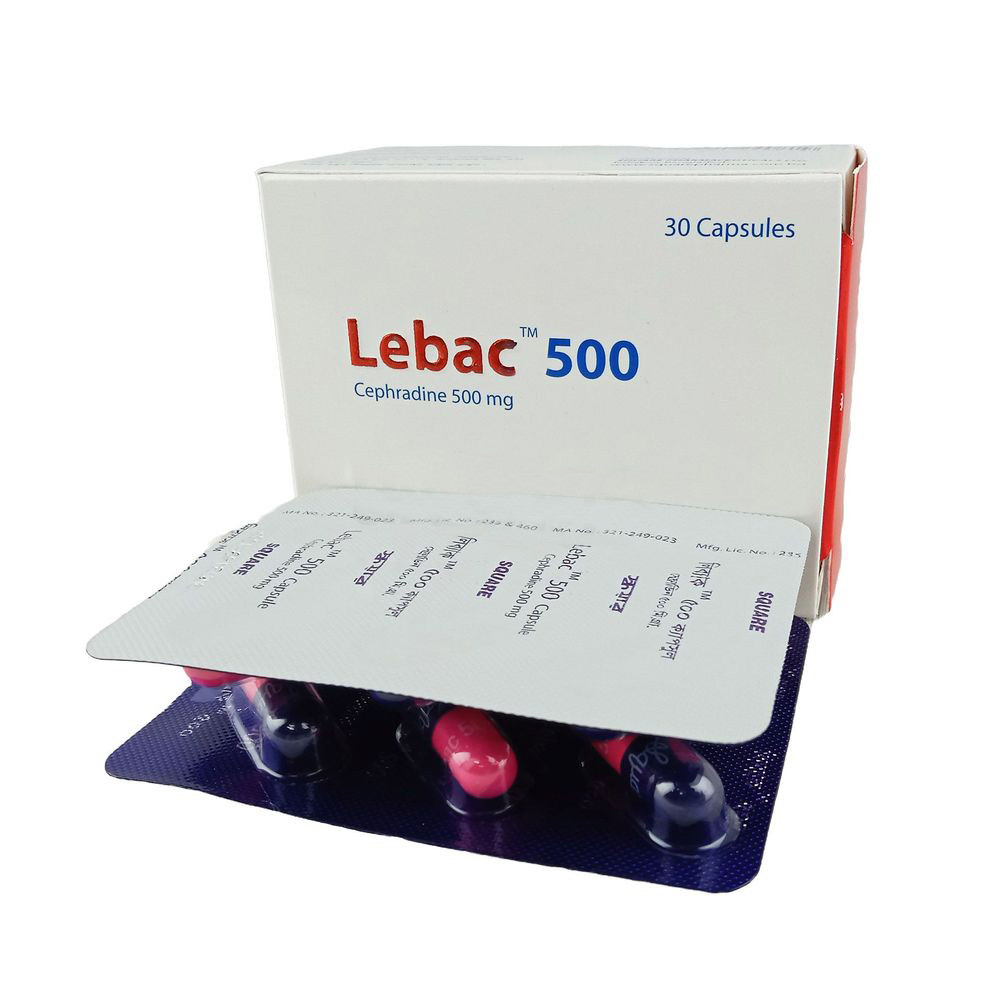
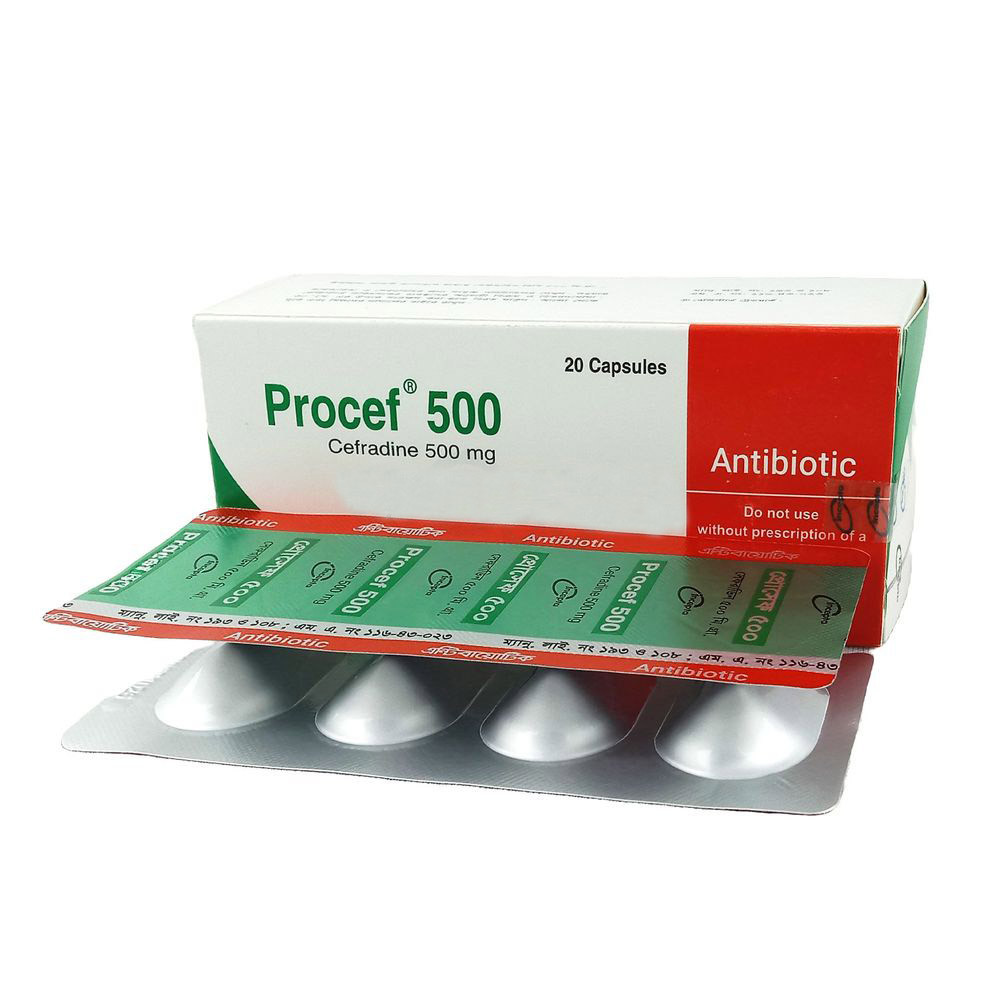
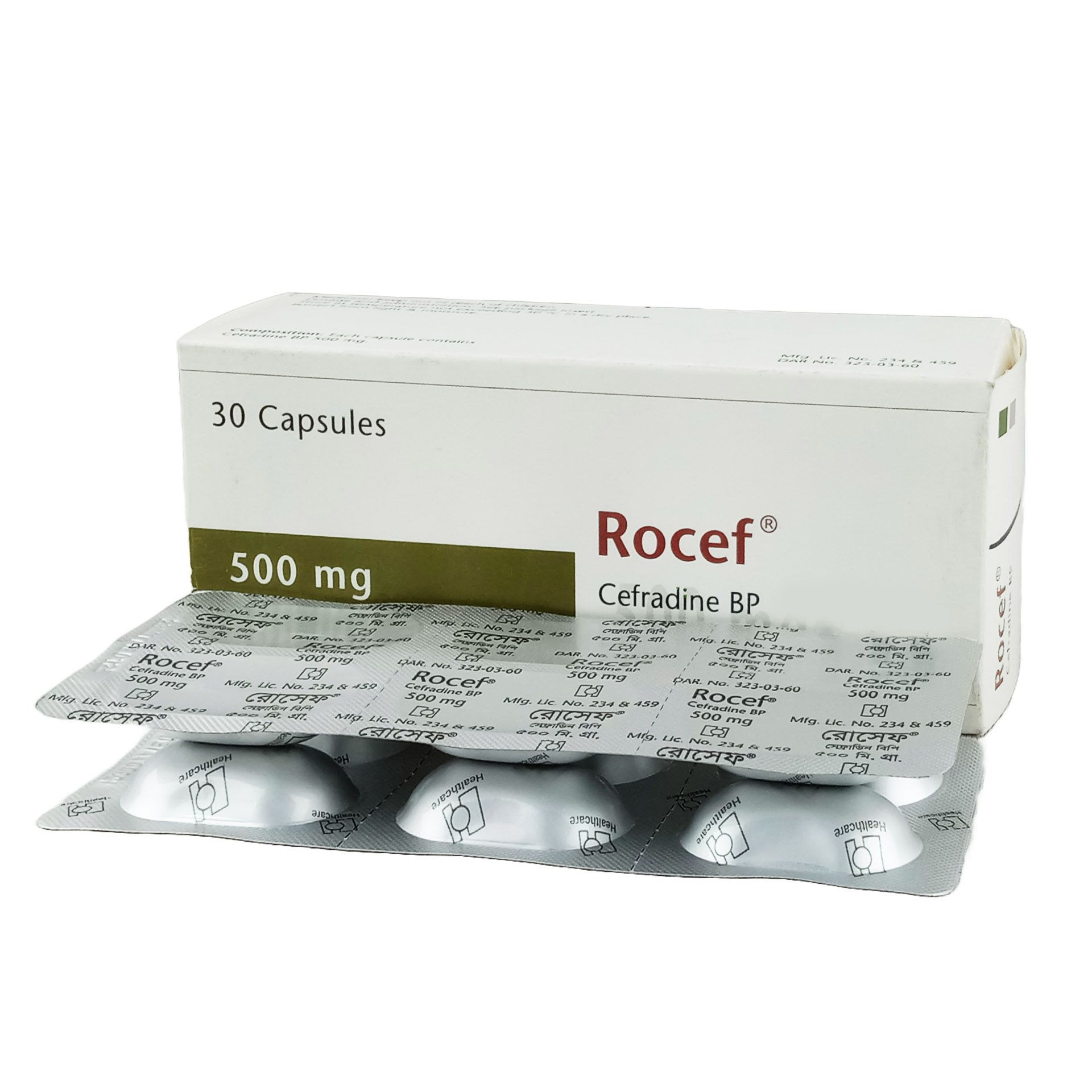
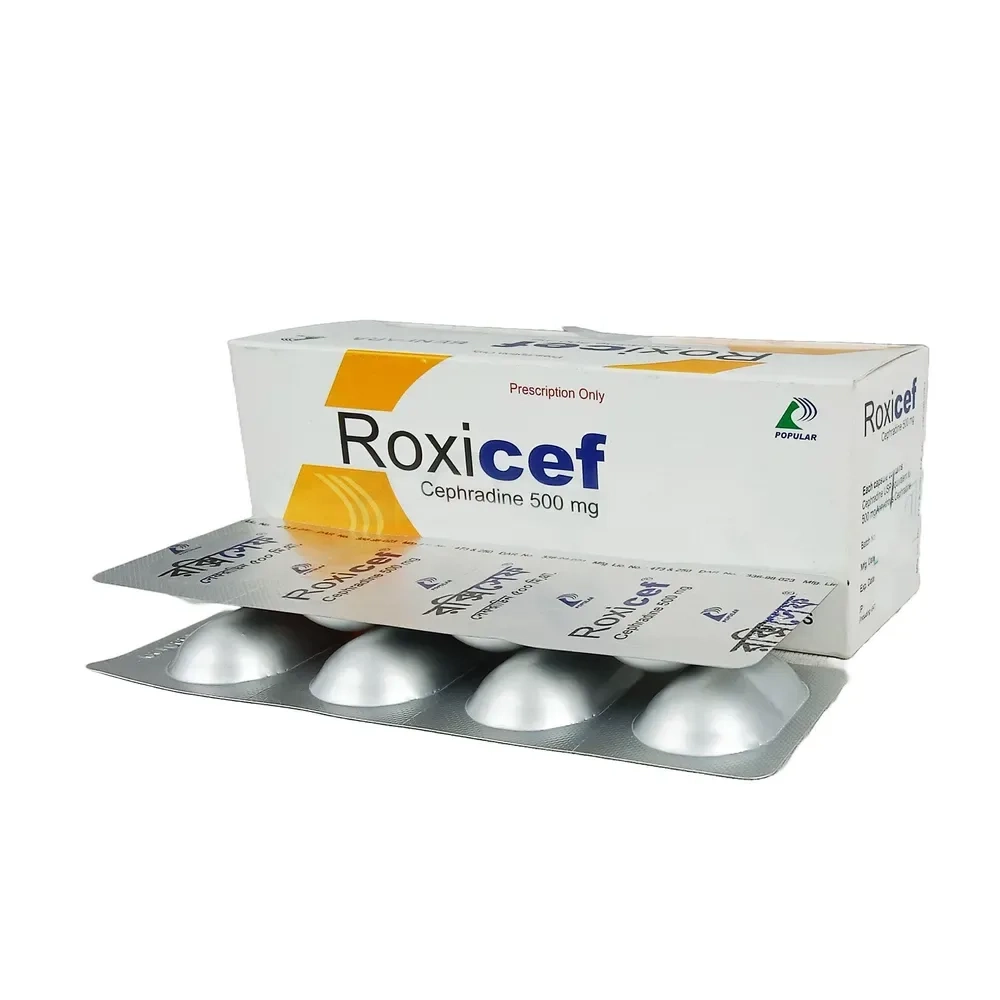
Abac Capsule 500 mg Introduction

Abac Capsule 500 mg, also known as cefradine, is a type of antibiotic drug that is used to treat bacterial infections. It belongs to a family of drugs known as cephalosporins, which are similar to penicillin in action. Abac Capsule 500 mg works by killing bacteria that causes infections.

Uses For

Abac Capsule 500 mg is most commonly used to treat infections of the respiratory tract, such as bronchitis and pneumonia, as well as skin and urinary tract infections. It can also be used to treat certain sexually transmitted diseases including gonorrhea and chlamydia.

Mechanism Of Action

Abac Capsule 500 mg works by interfering with the structure of the bacterial cell wall. It inhibits the ability of the bacteria to form and maintain their cell wall, making them susceptible to destruction.

How Long Does It Take To Work?

Abac Capsule 500 mg usually begins to work within a few hours of taking the medication. However, some people may experience relief from symptoms in as little as 24 hours. It usually takes a few days before the infection is completely cleared.

Absorption

Abac Capsule 500 mg is absorbed into the body before it can be effective against the bacteria causing infection. It is best absorbed when taken on an empty stomach, but it can be taken with food if necessary.

Route Of Elimination

Abac Capsule 500 mg is eliminated from the body by the kidneys. It is highly soluble in water, so it is quickly excreted in the urine.

Dosage

For oral administration-
Adults:
  • Urinary tract infections: 500mg four times daily or 1g twice daily. Infections which are severe or chronic may necessitate the administration of higher doses. Where complications arise including prostatitis and epididymitis continued intensive treatment is required.
  • Respiratory tract infections: 250 to 500mg four times daily or 500mg to 1g twice daily, dependent on the site and severity of the infection.
  • Skin and soft tissue infections: 250 to 500mg four times daily or 500mg to 1g twice daily, again dependent on the site and severity of the infection.
Children:
  • Total daily dose of 25 to 50mg/kg given in two or four equally divided doses.
  • Otitis media: Total daily dose of 75 to 100mg/kg given in divided doses 6 to 12 hourly.
  • Maximum daily dosage: 4 gm
Elderly: The normal adult dose is appropriate. Patients with impaired renal or hepatic function should be monitored during treatment.

For injectable administration-
  • Adult: The usual dose is 2-4 gm daily in four equally divided doses up to 8 gm daily. For prophylaxis a single preoperative dose of 1-2 gm intramuscularly or intravenously is given.
  • Children: The dose is 50-100 mg/kg daily in four equally divided doses, up to 300 mg/kg daily in severe infection.

The recommended dosage of cephradine is 250-500mg taken every six to eight hours. For severe infections, the dosage may be increased up to 1g every six to eight hours for adults and 25-50mg/kg every 8 hours for children.

Administration

Abac Capsule 500 mg can be administered orally or intravenously. Oral administration is preferred as it is easier to dose and monitor, and it is less expensive.

Side Effect

The most common side effects of cephradine are gastrointestinal disturbances including nausea, vomiting, diarrhea, and abdominal pain. Other side effects include headache, dizziness, fever, rash, and hypersensitivity reactions.

Toxicity

Abac Capsule 500 mg is generally safe and well tolerated. If taken improperly, there is a risk of severe allergic reactions and kidney damage.

Precaution

Abac Capsule 500 mg should not be taken by people who are allergic to cephalosporins or have kidney or liver disease. It should also not be taken while pregnant or breastfeeding as it can cause harm to the baby.

Interaction

Abac Capsule 500 mg can interact with other medications, including antibiotics, antacids, diuretics, and anticonvulsants. It is important to tell your doctor about all medications you are taking before starting cephradine to avoid any potential interactions.

Disease Interaction

Abac Capsule 500 mg can interact with certain diseases, such as kidney or liver disease, as well as certain conditions, such as colitis. It is important to inform your doctor about any disease or condition you have before taking cephradine.

Drug Interaction

Abac Capsule 500 mg can interact with certain drugs, including anticoagulants, warfarin, phenytoin, and aspirin. It is important to tell your doctor about all medications you are taking before starting cephradine to avoid any potential interactions.

Food Interactions

Abac Capsule 500 mg can interact with certain foods including dairy products, iron supplements, and antacids. It is important to inform your doctor about any foods you are consuming before taking cephradine.

Pregnancy Use

Abac Capsule 500 mg should be avoided by pregnant women as it can harm the developing baby. If the benefits of treatment outweighs the risks, your doctor may decide to prescribe cephradine.

Lactation Use

Abac Capsule 500 mg should be avoided by nursing mothers as it can be secreted into breast milk. If necessary, your doctor may decide to prescribe cephradine while breastfeeding.

Acute Overdose

In the event of an acute overdose of cephradine, seek emergency medical help. Symptoms of an acute overdose of cephradine may include stomach cramps, nausea, vomiting, and confusion.

Contraindication

Abac Capsule 500 mg should not be taken by people who are allergic to cephalosporins or have kidney or liver disease. It should also not be taken while pregnant or breastfeeding as it can cause harm to the baby.

Use Direction

Abac Capsule 500 mg should be taken as directed by a doctor. Do not exceed the recommended dosage, as this may cause side effects. Take the medication as prescribed and do not stop taking it without doctor's advice.

Storage Condition

Abac Capsule 500 mg should be stored at room temperature, away from moisture and heat. Do not allow the medication to freeze. Keep the medication out of the reach of children and pets.

Volume Of Distribution

The volume of distribution of cephradine is about 0.45 L/kg. This means that it is distributed relatively quickly within the body after administration.

Half Life

The half-life of cephradine is about 0.9-1.2 hours. This means that it is quickly eliminated from the body and has a short duration of action.

Clearance

The clearance of cephradine is about 0.47-0.56 L/h/kg. This means that it is eliminated quickly from the body and the risk of side effects is low.

See in details version Abac Capsule 500 mg also Abac Capsule 500 mg in bangla

Social card

Uses

Some Frequently Asked Questions About Abac Capsule 500 mg

1. What is Abac Capsule 500 mg?

Abac Capsule 500 mg is a first-generation cephalosporin antibiotic used to treat bacterial infections in humans.

2. What types of infections does Abac Capsule 500 mg treat?

Abac Capsule 500 mg is used to treat respiratory tract infections, skin infections, urinary tract infections (UTIs), and certain ear infections.

3. How does Abac Capsule 500 mg work?

Abac Capsule 500 mg works by inhibiting bacterial cell wall synthesis, leading to bacterial death.

4. Is Abac Capsule 500 mg available over the counter?

No, Abac Capsule 500 mg is a prescription antibiotic and must be prescribed by a doctor.

5. How should I take Abac Capsule 500 mg?

Abac Capsule 500 mg should be taken exactly as prescribed by your doctor, usually with or without food.

6. What is the typical dosage of Abac Capsule 500 mg?

  • Adults: 250-500 mg every 6 hours, depending on the infection.
  • Children: Dosage is based on body weight and infection severity.

7. Can Abac Capsule 500 mg be taken on an empty stomach?

Yes, but taking it with food may help reduce stomach upset.

8. What are the common side effects of Abac Capsule 500 mg?

Common side effects include nausea, diarrhea, stomach pain, and mild skin rash.

9. Can pregnant women take Abac Capsule 500 mg?

Abac Capsule 500 mg is generally considered safe during pregnancy but should be used under medical supervision.

10. Can breastfeeding mothers take Abac Capsule 500 mg?

Yes, but small amounts may pass into breast milk. Consult your doctor before use.

11. How long does it take for Abac Capsule 500 mg to work?

Symptoms often improve within 48 hours, but the full course should be completed to prevent antibiotic resistance.

12. What should I do if I miss a dose?

Take the missed dose as soon as you remember, but skip it if it's almost time for your next dose. Do not double dose.

13. Can Abac Capsule 500 mg be used for children?

Yes, but the dosage depends on the child’s weight and the severity of the infection.

14. What should I avoid while taking Abac Capsule 500 mg?

Avoid alcohol and do not skip doses, as this can reduce the effectiveness of the antibiotic.

15. Can Abac Capsule 500 mg treat viral infections like colds or flu?

No, Abac Capsule 500 mg is only effective against bacterial infections.

16. Is Abac Capsule 500 mg safe for people with kidney disease?

People with kidney disease may require a lower dose. Consult your doctor.

17. Can I drink alcohol while taking Abac Capsule 500 mg?

It is best to avoid alcohol, as it may increase the risk of side effects like nausea and dizziness.

18. What happens if I take too much Abac Capsule 500 mg?

Overdose symptoms may include nausea, vomiting, stomach pain, or seizures. Seek medical attention immediately.

19. Does Abac Capsule 500 mg interact with other medications?

Yes, Abac Capsule 500 mg may interact with blood thinners, diuretics, and other antibiotics. Inform your doctor about all medicines you are taking.

20. Can Abac Capsule 500 mg be used for tooth infections?

Yes, Abac Capsule 500 mg may be prescribed for bacterial tooth infections.

21. Can I take Abac Capsule 500 mg for urinary tract infections (UTIs)?

Yes, Abac Capsule 500 mg is commonly prescribed for UTIs.

22. Can Abac Capsule 500 mg treat pneumonia?

Yes, Abac Capsule 500 mg can be used to treat mild to moderate pneumonia.

23. Does Abac Capsule 500 mg kill all bacteria?

No, it is effective against certain gram-positive and gram-negative bacteria.

24. Can Abac Capsule 500 mg be used for ear infections?

Yes, it is sometimes prescribed for bacterial ear infections.

25. Does Abac Capsule 500 mg cause diarrhea?

Yes, diarrhea is a possible side effect.

26. Is Abac Capsule 500 mg a penicillin?

No, but it belongs to a related class of antibiotics called cephalosporins.

27. Can I take Abac Capsule 500 mg with paracetamol?

Yes, Abac Capsule 500 mg can be taken with paracetamol if needed for pain or fever.

28. Can Abac Capsule 500 mg cause allergic reactions?

Yes, signs of an allergic reaction include rash, swelling, and difficulty breathing. Seek medical help if this occurs.

29. Does Abac Capsule 500 mg make you sleepy?

Drowsiness is not a common side effect, but some people may feel fatigued.

30. Can I stop taking Abac Capsule 500 mg if I feel better?

No, always complete the full course to prevent antibiotic resistance.

31. Can Abac Capsule 500 mg treat skin infections?

Yes, it is used for bacterial skin infections.

32. Can Abac Capsule 500 mg cause stomach pain?

Yes, mild stomach discomfort is a common side effect.

33. How should Abac Capsule 500 mg be stored?

Store at room temperature, away from moisture and heat.

34. Does Abac Capsule 500 mg cause yeast infections?

Yes, prolonged use may lead to yeast infections.

35. Can Abac Capsule 500 mg cause headaches?

Headaches are a possible but uncommon side effect.

36. Can Abac Capsule 500 mg be given intravenously?

No, Abac Capsule 500 mg is usually taken orally or via injection.

37. Can Abac Capsule 500 mg be used for food poisoning?

Only if caused by susceptible bacteria, not for viral food poisoning.

38. Can Abac Capsule 500 mg be taken long-term?

No, it is meant for short-term use only.

39. Does Abac Capsule 500 mg affect birth control pills?

It may reduce their effectiveness. Use additional contraception.

40. Can Abac Capsule 500 mg cause dizziness?

Dizziness is an uncommon but possible side effect.

41. Is Abac Capsule 500 mg safe for elderly patients?

Yes, but kidney function should be monitored.

42. Can Abac Capsule 500 mg treat bronchitis?

Yes, it is sometimes prescribed for bacterial bronchitis.

43. Can Abac Capsule 500 mg cause liver damage?

Rarely, but liver function should be monitored in long-term use.

44. Can Abac Capsule 500 mg be used for gonorrhea?

No, other antibiotics like ceftriaxone are preferred.

45. Does Abac Capsule 500 mg cause sun sensitivity?

Sun sensitivity is not a common side effect.

46. Can Abac Capsule 500 mg treat typhoid fever?

No, other antibiotics like ciprofloxacin are preferred.

47. Can Abac Capsule 500 mg cause weight loss?

Weight loss is not a common side effect.

48. Can I take Abac Capsule 500 mg if I have diabetes?

Yes, but monitor blood sugar levels as some antibiotics may affect them.

49. Can Abac Capsule 500 mg be used for sinus infections?

Yes, it is sometimes prescribed for bacterial sinus infections.

50. How long should I take Abac Capsule 500 mg?

Take it for the full duration prescribed by your doctor.
*** Taking medicines without doctor's advice can cause long-term problems.
Dr. Uttom Kumar Shet

Dr. Uttom Kumar Shet

Dental Implant Specialist and Course Director (Osstem Implant), Maxillofacial Surgery

Dentist in Dhaka
Call Doctor
Related Medicines