Introduction

Zuclopenthixol is an antipsychotic drug sold under the brand name Clopixol. It is used to treat certain mental/psychiatric disorders such as schizophrenia, mania, and acute psychoses. It is a thioxanthene-derivative that has a strong action on dopamine receptors in the brain, which helps reduce mental disturbances and cognitive impairment related to mental illness.

Uses

Zuclopenthixol is used to treat certain psychiatric and mental illnesses, such as schizophrenia, mania, and acute psychoses. It can also be used to treat aggression, agitation, and other behavioral problems.

Brand Name Zuclopenthixol
Type
Weight
Generic Zuclopenthixol
Manufacturer
Available in English বাংলা

Mechanism of Action

Zuclopenthixol is a thioxanthene derivative that works by modulating presynaptic and postsynaptic dopamine receptor sites in the brain. This leads to a reduction in the psychotic and cognitive symptoms associated with mental illnesses.

How Long Does it Take to Work?

The effects of Zuclopenthixol can vary depending on the individual. Generally, it can take up to a few weeks for the effects to be seen. It is important to continue to take this medication as prescribed by your doctor for the full duration of treatment, usually several weeks, in order to maximize its effectiveness.

Absorption

Zuclopenthixol is well absorbed by the body and is quickly distributed into the bloodstream. The maximum plasma concentration is reached within 1-3 hours.

Route of Elimination

Zuclopenthixol is mainly excreted via the kidneys, with less than 5% of it being eliminated in the urine. A small portion of it is metabolized in the liver.

Dosage

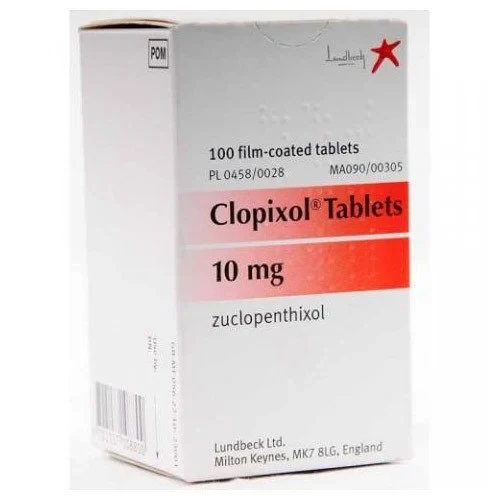
Zuclopenthixol Tablets: When initiating treatment with Zuclopenthixol tablets, it is recommended that the drug be given in divided doses (BID or TID). During the maintenance phase of treatment Zuclopenthixol tablets may be given as a single nighttime dose. For acute psychosis, the usual starting dose is 10-50 mg/day, which may be increased by 10-20 mg every 2-3 days, according to the patient’s response. The usual therapeutic range is 20 mg to 60 mg daily. However, as with other antipsychotic drugs, some patients may require lower, while others may require higher dosage in order to obtain optimal benefit. Daily dosage higher than 100 mg is not recommended. For maintenance therapy, dosage should be reduced to the lowest level compatible with symptom control. The usual maintenance dose is 20-40 mg/day.

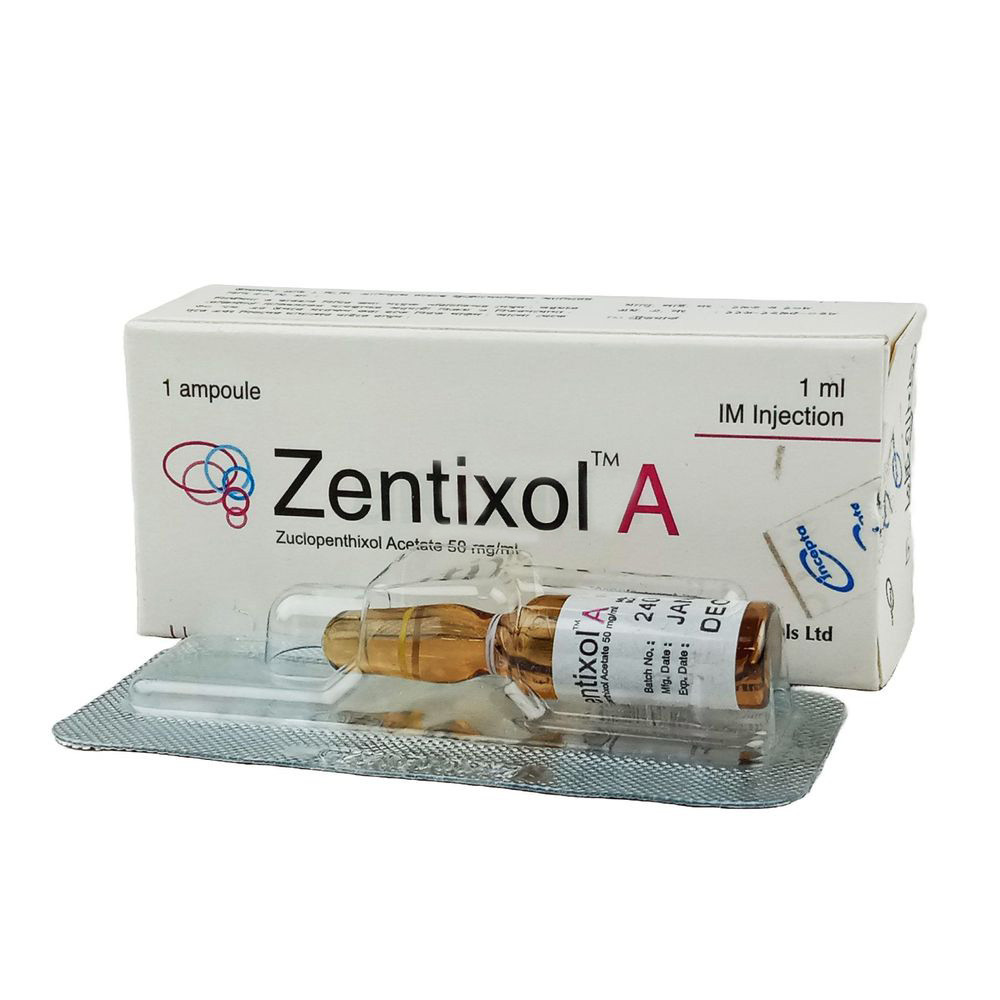
Zuclopenthixol Acuphase: Dosage should be individually adjusted according to the patient’s condition. The usual dose is 50-150 mg (1-3 ml) administered intramuscularly and repeated if necessary, at intervals of 2-3 days. Some patients may need an additional injection 1 or 2 days after the first injection.

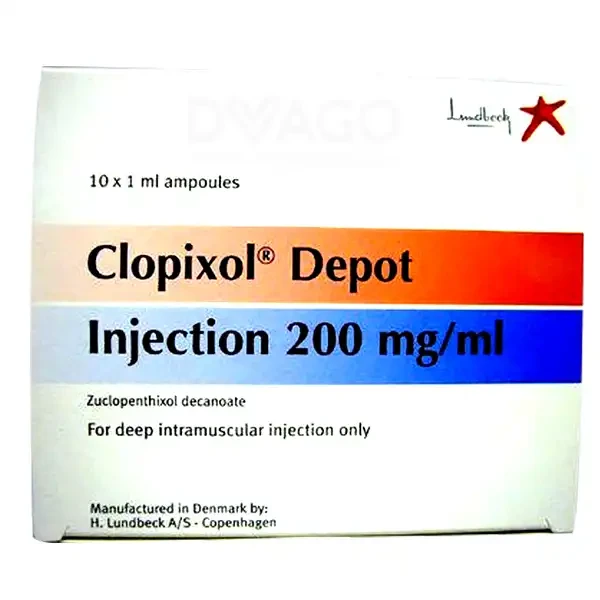
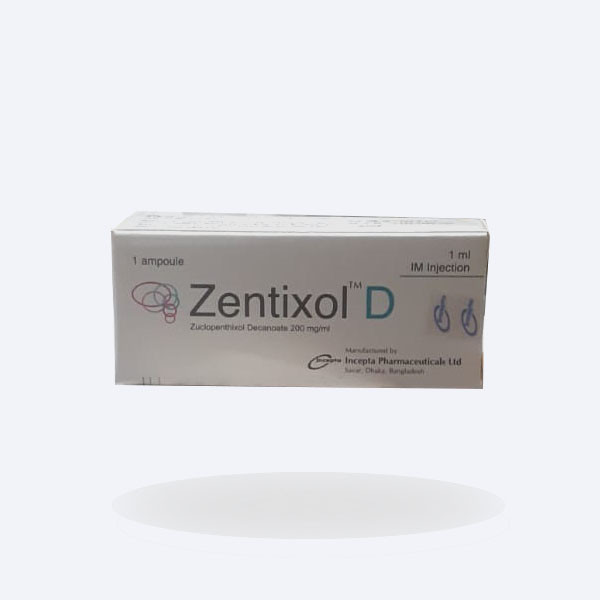
Zuclopenthixol Depot: Close supervision is required during the period following initiation of Zuclopenthixol Depot treatment, in order to minimize the risk of over-medication or insufficient suppression of psychotic symptoms. Supplemental oral antipsychotic medication may be required in diminishing dosage during this period. The usual maintenance dose is 150-300 mg intramuscularly, every 2-4 weeks. Some patients may require higher or lower doses, or shorter intervals between doses.
The recommended starting dose of Zuclopenthixol is 5-10mg per day. The dosage may be gradually increased, depending on the individual's response and clinical condition, up to a maximum daily dose of 40-50mg.

Administration

Zuclopenthixol is usually administered orally as tablets or liquid solution. It can also be administered as an intramuscular injection.

Side Effects

Common side effects of Zuclopenthixol include dry mouth, constipation, sleepiness, headache, dizziness, and weight gain. More serious side effects include an increased risk of stroke, seizures, and suicidal thoughts.

Toxicity

Zuclopenthixol is relatively safe when taken at prescribed doses. However, it can be toxic if taken in high doses, so it is important to follow the instructions of the prescribing doctor.

Precautions

Interactions between Zuclopenthixol and certain other medications, such as anticoagulants and lithium, should be monitored closely, as they can lead to serious adverse reactions. It is also important to check for liver function before starting this medication.

Interaction

Zuclopenthixol may interact with certain drugs, such as anticoagulants, lithium, and some antibiotics, leading to serious side effects. Therefore, caution is advised when taking Zuclopenthixol with these medications.

Disease Interaction

Patients with certain diseases, such as liver or kidney disease, should be monitored closely when taking Zuclopenthixol . It should also be used with caution in patients with epilepsy or cardiac conditions.

Drug Interaction

If taken with other medication, Zuclopenthixol may interact with them and cause serious side effects. Therefore, caution is advised when taking Zuclopenthixol with drugs such as anticoagulants, lithium, and certain antibiotics.

Food Interactions

The effectiveness of Zuclopenthixol may be affected by certain foods, such as grapefruit, alcohol, and other citrus fruits. It is important to consult a doctor before eating these foods.

Pregnancy Use

Zuclopenthixol should only be used during pregnancy if the benefits outweigh the risks. If being taken during pregnancy, it should be monitored closely.

Lactation Use

Zuclopenthixol should be used with caution in women who are breastfeeding. It should not be used during breastfeeding unless the benefits outweigh the risks.

Acute Overdose

In case of an overdose of Zuclopenthixol , the patient should be monitored closely as it can lead to serious side effects. If overdose is suspected, medical help should be sought immediately.

Contraindication

Zuclopenthixol is contraindicated in patients who are hypersensitive to this drug or to any of its ingredients. It is also not recommended for patients with certain conditions, such as narrow-angle glaucoma, epilepsy, bone marrow suppression, and certain cardiac conditions.

Use Direction

Zuclopenthixol should be taken as prescribed by the doctor. It is important to take this medication exactly as prescribed, as it can lead to serious side effects or reduced effectiveness if it is taken in higher doses or for longer time periods than what is recommended.

Storage Condition

Zuclopenthixol should be stored at room temperature, away from direct heat and light. It should also be kept away from children and pets.

Volume of Distribution

The volume of distribution of Zuclopenthixol is estimated to be around 1.3 to 4.6 L/kg.

Half Life

The elimination half-life of Zuclopenthixol is estimated to be around 20 to 30 hours.

Clearance

The clearance of Zuclopenthixol is estimated to be around 52 to 77 L/h.

See in details version Zuclopenthixol also Zuclopenthixol in bangla

Some Frequently Asked Questions About Zuclopenthixol

*** Taking medicines without doctor's advice can cause long-term problems.
Dr. Fatematuz Zuhora

Dr. Fatematuz Zuhora

Gynecology, Obstetrics Specialist & Laparoscopic Surgeon

Call Doctor
Dr. A.N.M Humayun Kabir

Dr. A.N.M Humayun Kabir

Orthopedics (Bone, Joint, Injury, Arthritis) Specialist & Trauma Surgeon

Call Doctor
Dr. Muhammad Tawfique

Dr. Muhammad Tawfique

Pediatrics Hematology & Oncology Specialist

Call Doctor
Related Medicines