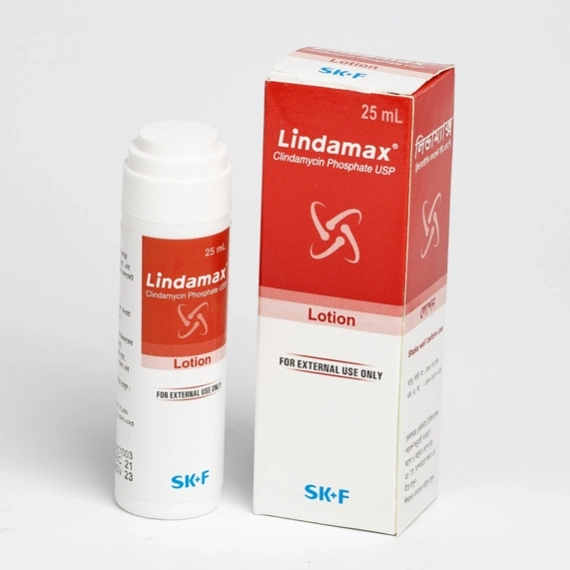
Introduction
Clindamycin is a semi-synthetic lincosamide antibiotic used in the treatment of a variety of serious infections due to susceptible microorganisms as well as topically for acne vulgaris. It has a relatively narrow spectrum of activity that includes anaerobic bacteria as well as gram-positive cocci and bacilli and gram-negative bacilli. Interestingly, clindamycin appears to carry some activity against protozoans, and has been used off-label in the treatment of toxoplasmosis, malaria, and babesiosis.
Clindamycin is derived from, and has largely replaced, lincomycin, a naturally occurring lincosamide and the eponymous member of this antibiotic class, due to its improved properties over the parent compound. The name lincomycin is derived from Lincoln, Nebraska, where it was first isolated from Streptomyces lincolnensis found in a soil sample.
Uses
Clindamycin is a lincosamide antibiotic used to treat serious infections caused by susceptible anaerobic, streptococcal, staphylococcal, and pneumococcal bacteria.
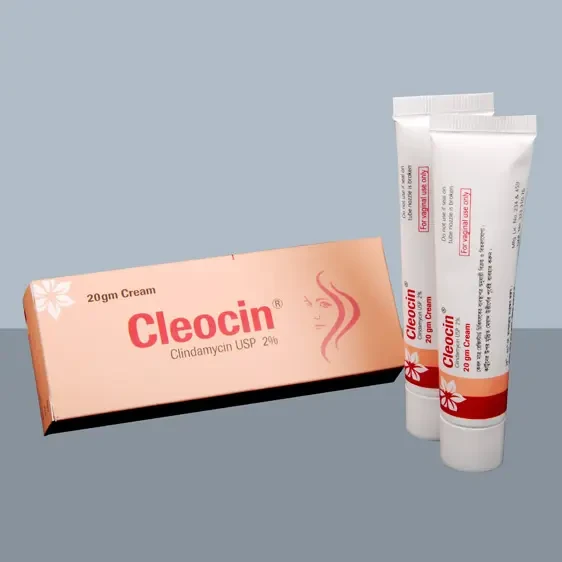
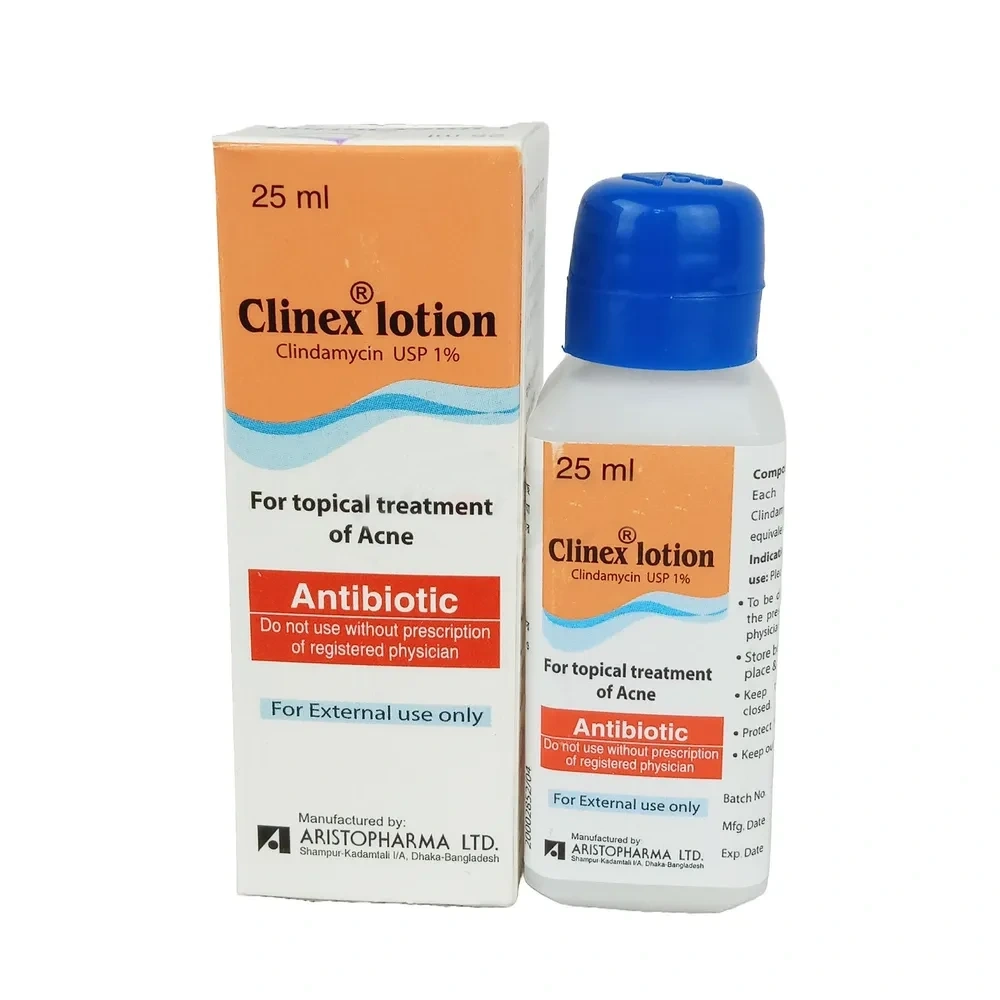
In oral and parenteral formulations, clindamycin is indicated for the treatment of serious infections caused by susceptible anaerobic bacteria, as well as susceptible staphylococci, streptococci, and pneumococci. Used topically, it is indicated for the treatment of acne vulgaris and is available in combination with benzoyl peroxide or tretinoin for this purpose. Clindamycin is also indicated as a vaginal cream or suppository for the treatment of bacterial vaginosis in non-pregnant females.
Clindamycin is used for antimicrobial prophylaxis against Viridans group streptococcal infections in susceptible patients undergoing oral, dental, or upper respiratory surgery, and may be used for prophylaxis against bacterial endocarditis in penicillin-allergic patients at high risk of these infections.
Associated Conditions
Pharmacodynamics
Clindamycin exerts its bacteriostatic effect via inhibition of microbial protein synthesis. Clindamycin has a relatively short Tmax and half-life necessitating administration every six hours to ensure adequate antibiotic concentrations.
Clostridium difficile associated diarrhea (CDAD) has been observed in patients using clindamycin, ranging in severity from mild diarrhea to fatal colitis and occasionally occurring over two months following cessation of antibiotic therapy. Overgrowth of C. difficile resulting from antibiotic use, along with its production of A and B toxins, contributes to morbidity and mortality in these patients. Because of the associated risks, clindamycin should be reserved for serious infections for which the use of less toxic antimicrobial agents are inappropriate.
Clindamycin is active against a number of gram-positive aerobic bacteria, as well as both gram-positive and gram-negative anaerobes. Resistance to clindamycin may develop, and is generally the result of base modification within the 23S ribosomal RNA. Cross-resistance between clindamycin and lincomycin is complete, and may also occur between clindamycin and macrolide antibiotics (e.g. erythromycin) due to similarities in their binding sites.
As antimicrobial susceptibility patterns are geographically distinct, local antibiograms should be consulted to ensure adequate coverage of relevant pathogens prior to use.
Mechanism of Action
Clindamycin inhibits bacterial protein synthesis by binding to 23S RNA of the 50S subunit of the bacterial ribosome. It impedes both the assembly of the ribosome and the translation process. The molecular mechanism through which this occurs is thought to be due to clindamycin's three-dimensional structure, which closely resembles the 3'-ends of L-Pro-Met-tRNA and deacylated-tRNA during the peptide elongation cycle - in acting as a structural analog of these tRNA molecules, clindamycin impairs peptide chain initiation and may stimulate dissociation of peptidyl-tRNA from bacterial ribosomes.
The mechanism through which topical clindamycin treats acne vulgaris is unclear, but may be related to its activity against Propionibacterium acnes, a bacteria that has been associated with acne.
Absorption
Oral bioavailability is nearly complete, at approximately 90%, and peak serum concentrations (Cmax) of, on average, 2.50 µg/mL are reached at 0.75 hours (Tmax). The AUC following an orally administered dose of 300mg was found to be approximately 11 µg•hr/mL. Systemic exposure from the administration of vaginal suppository formulations is 40-fold to 50-fold lower than that observed following parenteral administration and the Cmax observed following administration of vaginal cream formulations was 0.1% of that observed following parenteral administration.
Volume of Distribution
Clindamycin is widely distributed in the body, including into bone, but does not distribute into cerebrospinal fluid. The volume of distribution has been variably estimated between 43-74 L.
Protein Binding
Clindamycin protein binding is concentration-dependent and ranges from 60-94%. It is bound primarily to alpha-1-acid glycoprotein in the serum.
Route of Elimination
Approximately 10% of clindamycin bioactivity is excreted in the urine and 3.6% in the feces, with the remainder excreted as inactive metabolites.
Half Life
The elimination half-life of clindamycin is about 3 hours in adults and 2.5 hours in children. Half-life is increased to approximately 4 hours in the elderly.
Clearance
The plasma clearance of clindamycin is estimated to be 12.3-17.4 L/h, and is reduced in patients with cirrhosis and altered in those with anemia.
Toxicity
The oral LD50 in mice and rats is 2540 mg/kg and 2190 mg/kg, respectively.
While no cases of overdose have been reported, symptoms are expected to be consistent with the adverse effect profile of clindamycin and may therefore include abdominal pain, nausea, vomiting, and diarrhea. During clinical trials, one 3-year-old child was given a dose of 100 mg/kg daily for 5 days and showed only mild abdominal pain and diarrhea. Activated charcoal may be of value to remove unabsorbed drug, but hemodialysis and peritoneal dialysis are ineffective. General supportive measures are recommended in cases of clindamycin overdose.
Food Interactions
- Take with a full glass of water. Clindamycin may cause esophageal irritation if the dosage form becomes lodged.
- Take with or without food. Food does not appreciably alter the absorption of clindamycin.
Dosage
- Serious Infections: 150 mg-300 mg every six hours.
- More severe infections: 300 mg-450 mg every six hours.
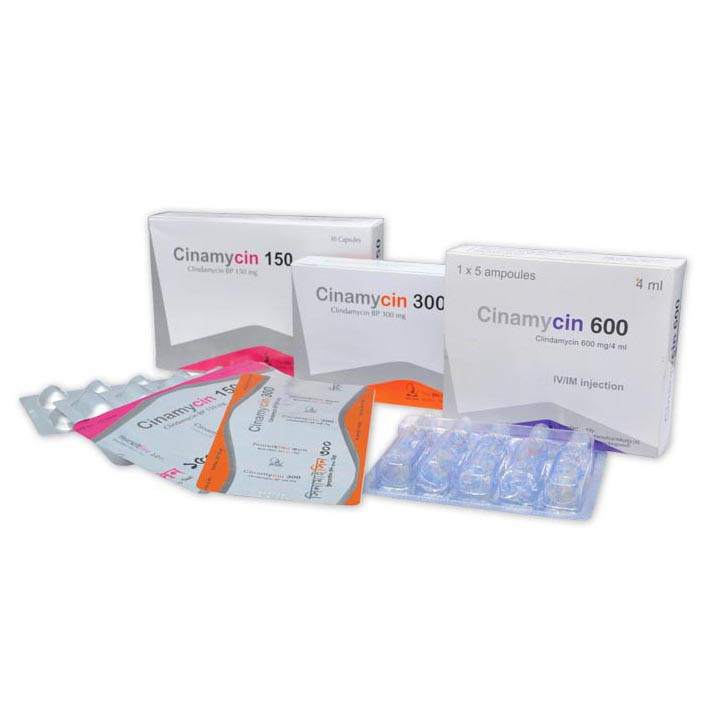
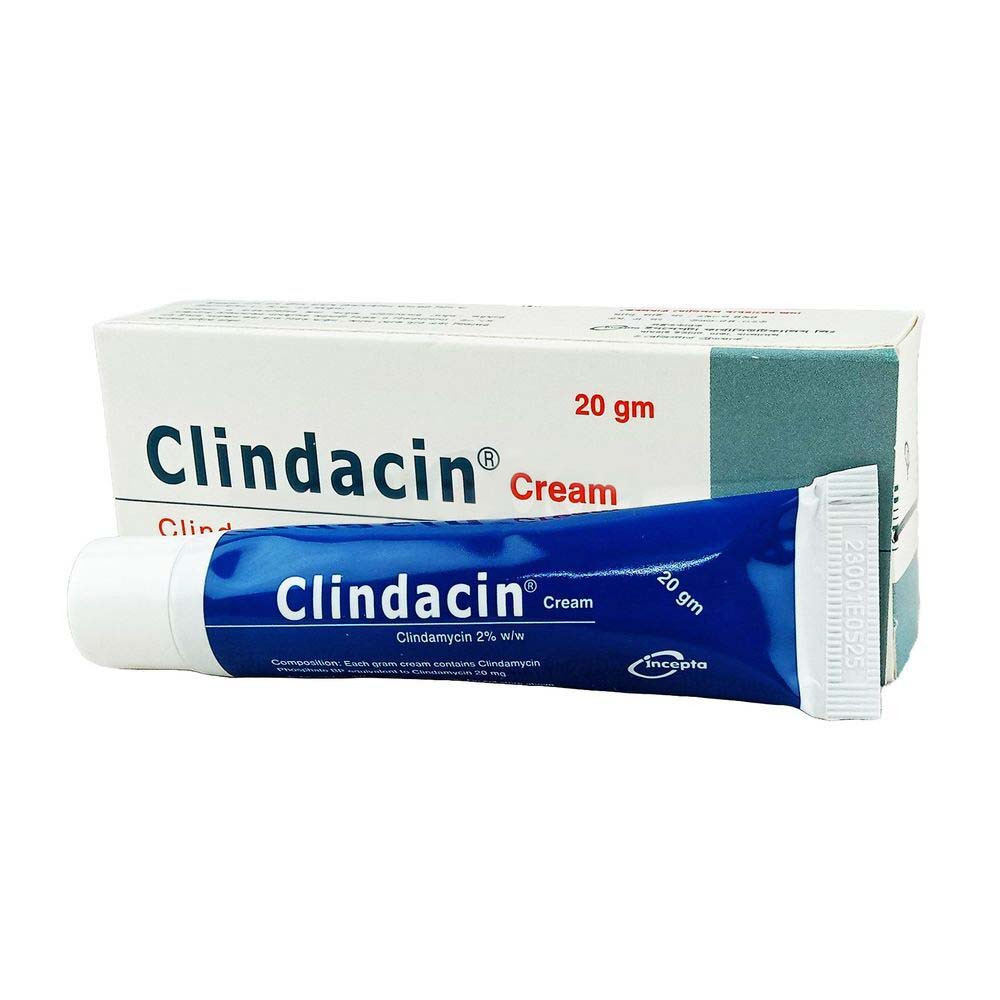
Several researches has found that Clindamycin 300 mg capsule provides plasma concentration over MIC90 for more than 12 hours. This finding supports the twice-daily dosing of Clindacin 300 mg capsule, particularly in SSTIs & RTIs. However, in case of bone & joint infections, diabetic foot infections dose of Clindamycin should be 300 mg capsule 3-4 times daily.
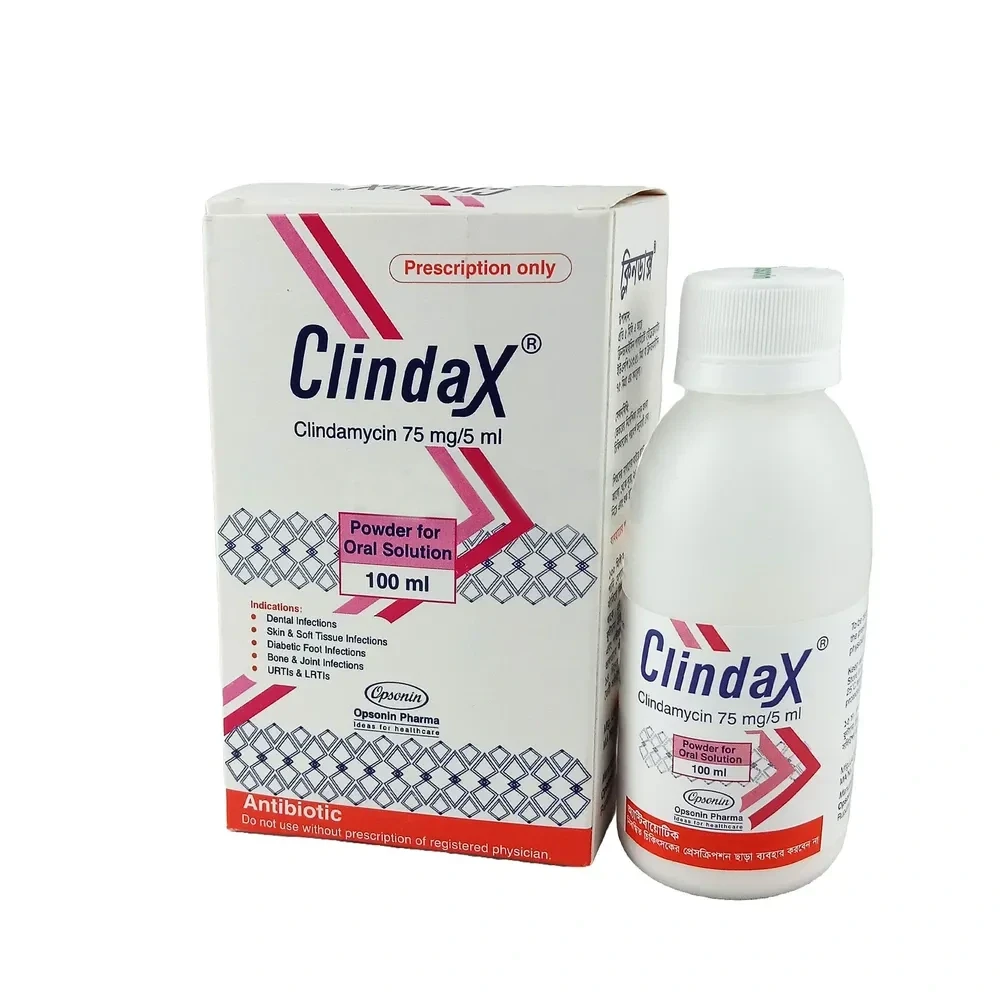
Dosage of Clindamycin Powder for oral solution:
- Serious infections: 8-12 mg/kg/day divided into 3 or 4 equal doses.
- Severe infections: 13-16 mg/kg/day divided into 3 or 4 equal doses.
- More severe infections: 17-25 mg/kg/day divided into 3 or 4 equal doses.
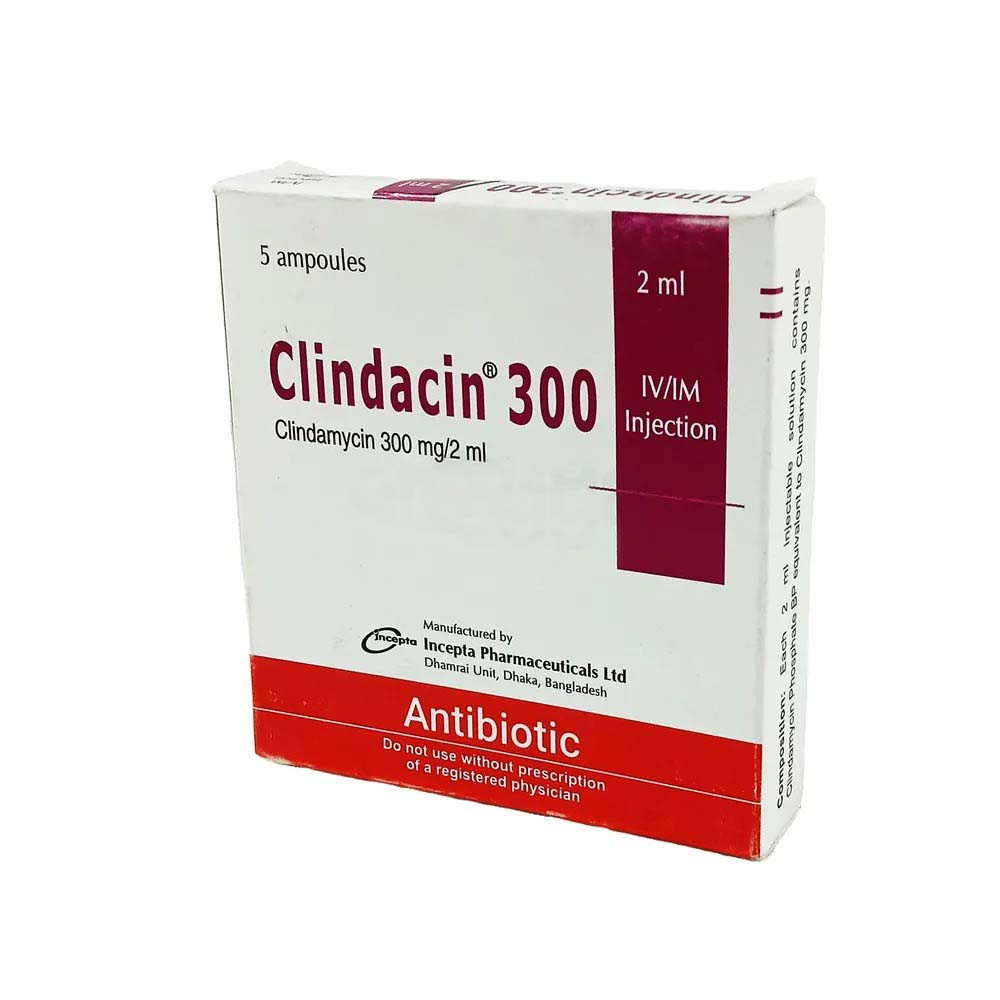
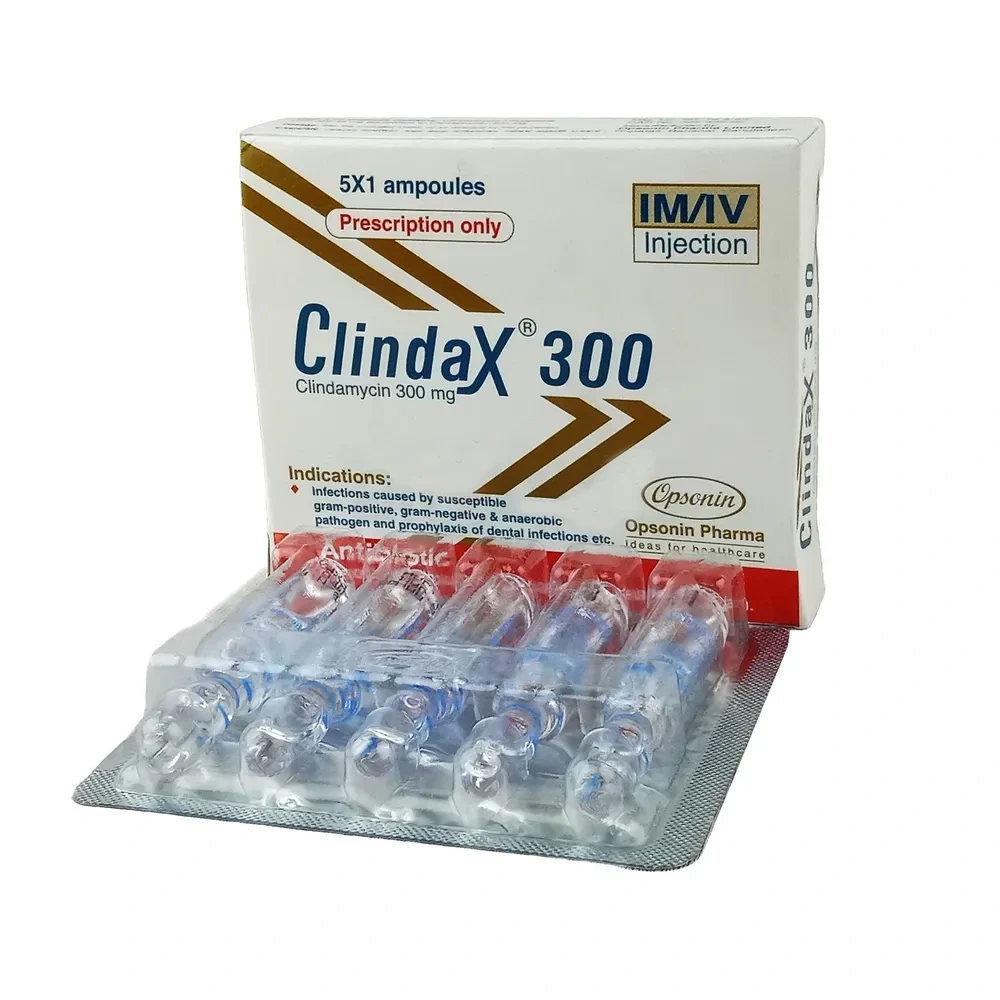
Dosage of Clindamycin IV/IM Injection:
Adults-
- Serious infections due to aerobic gram-positive cocci and the more susceptible anaerobes: 600-1200 mg/day in 2- 4 equal doses.
- More severe infections: 1200-2700 mg/day in 2-4 equal doses.
- For more serious infections: these doses may have to be increased. In life-threatening situations due to either aerobes or anaerobes, these doses may be increased.
- Doses of as much as 4800 mg daily have been given intravenously to adults. Single intramuscular injections of greater than 600 mg are not recommended.
Pediatric patients (1 month of age to 16 years):
- 20 to 40 mg/kg/day in 3 or 4 equal doses. The higher doses would be used for more severe infections.
- Parenteral therapy may be changed to Capsules (clindamycin hydrochloride) when the condition warrants and at the discretion of the physician.
- In cases of (3-hemolytic streptococcal infections, treatment should be continued for at least 10 days.