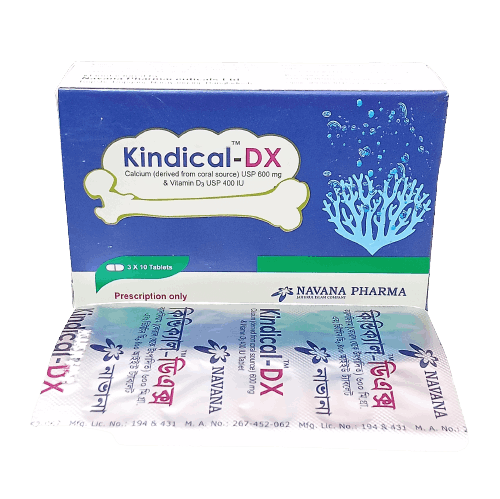
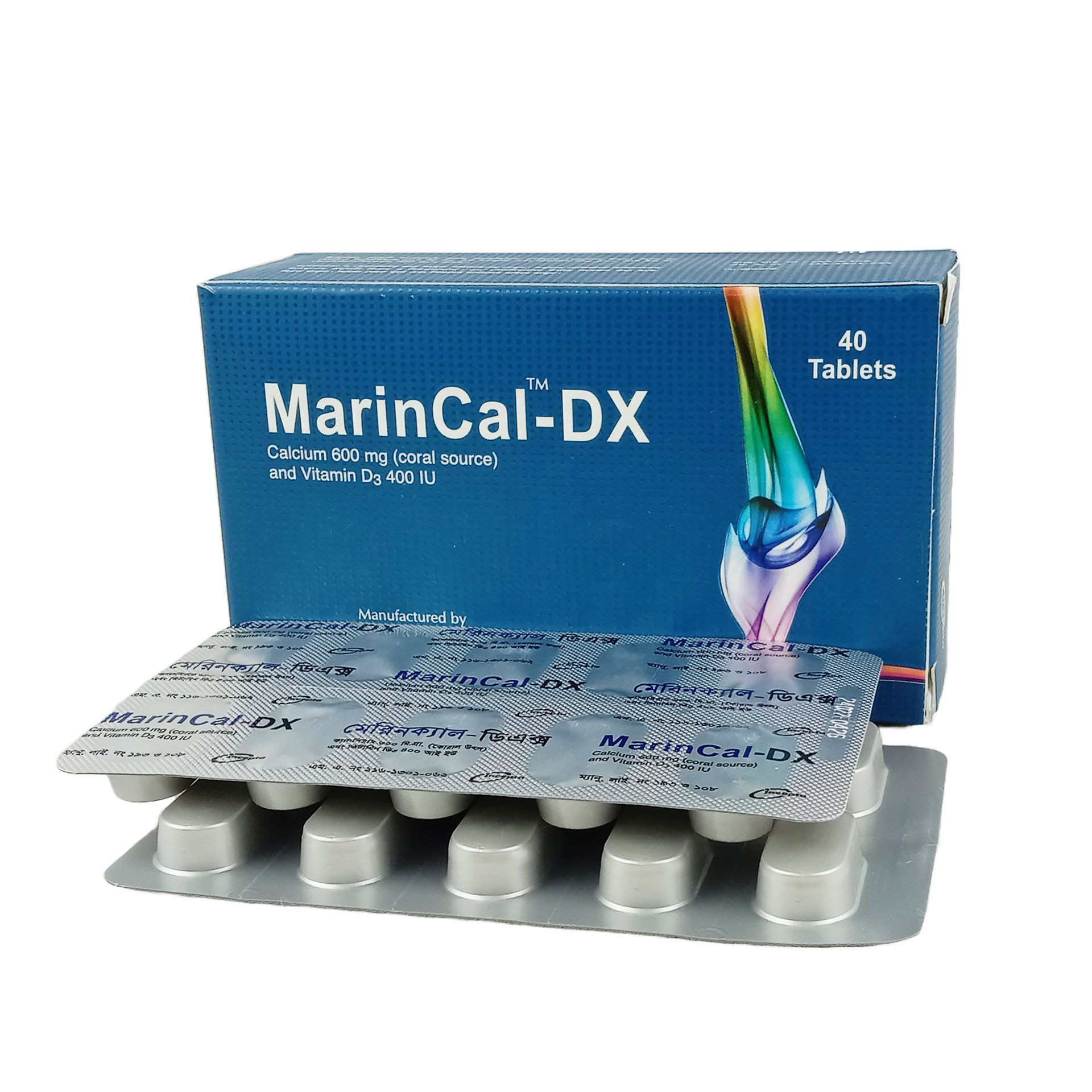
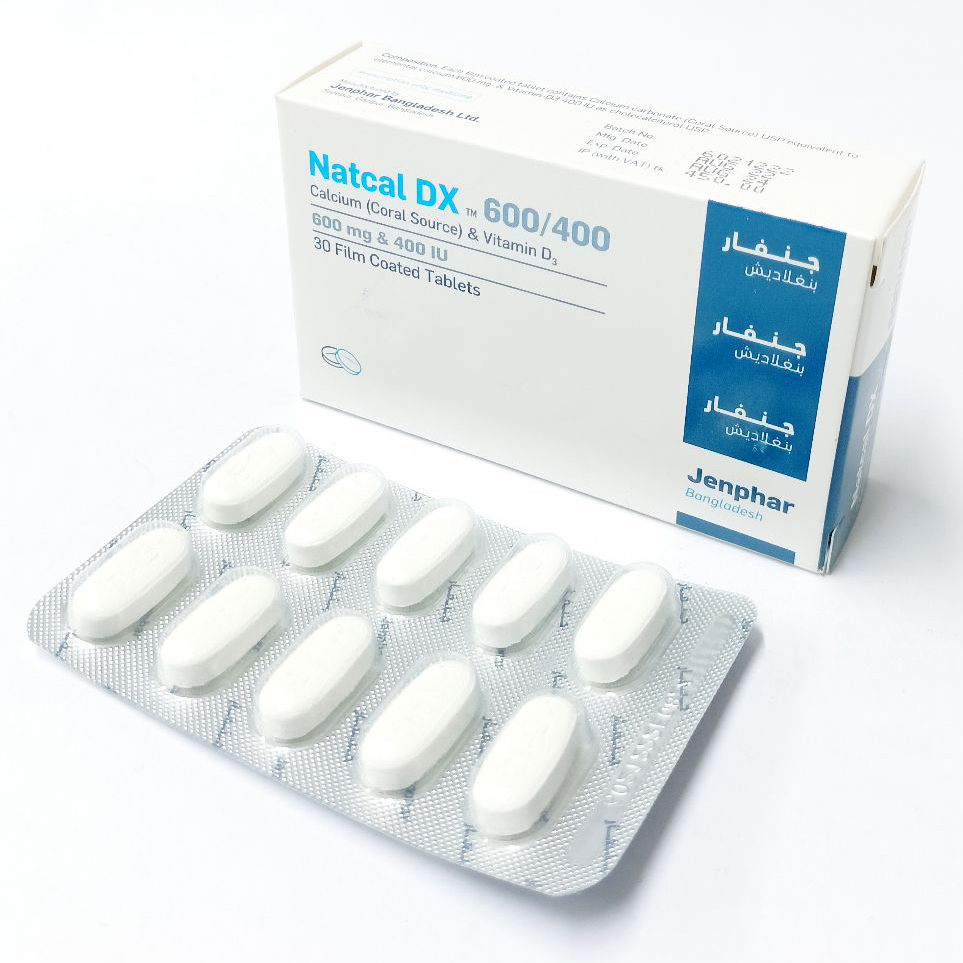
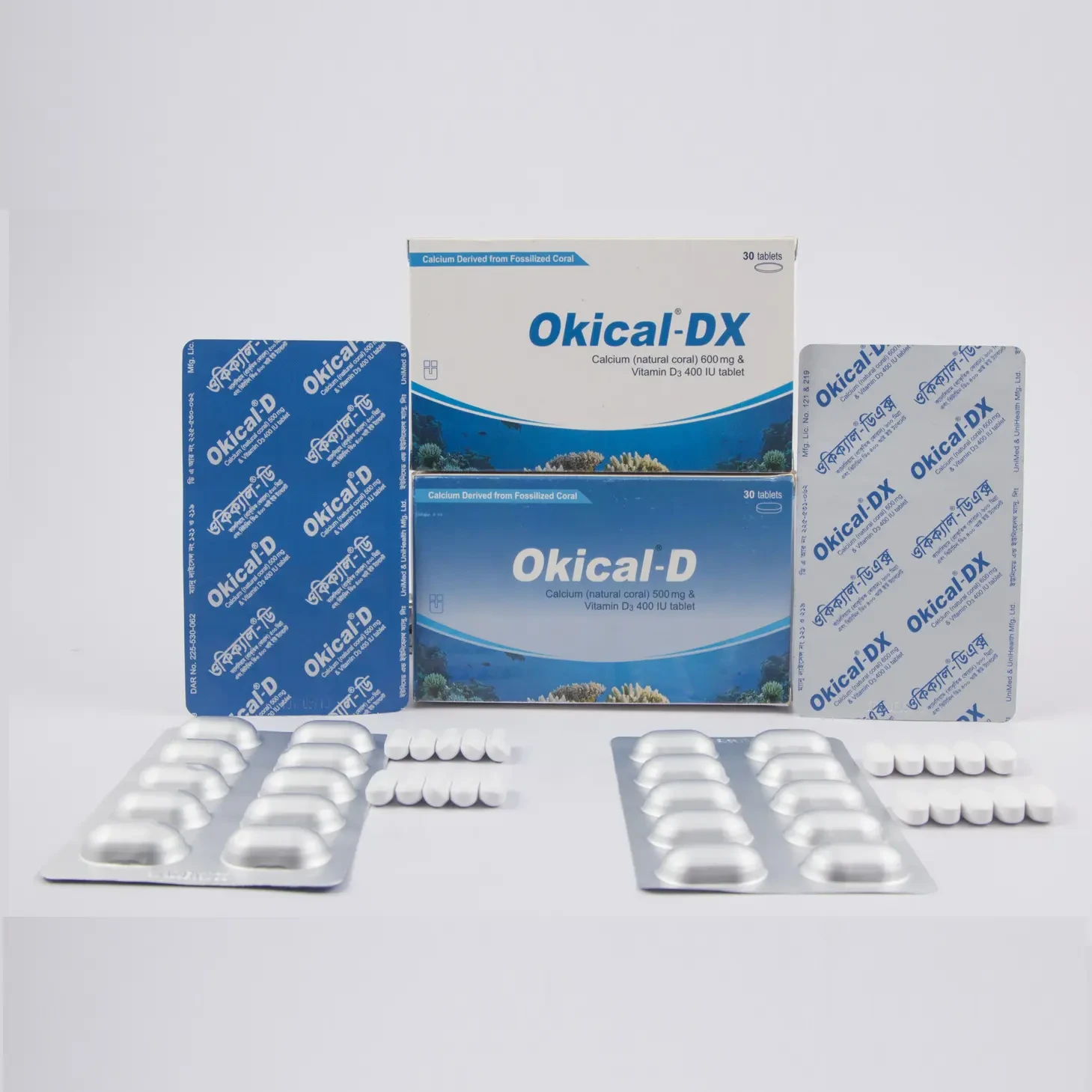
Introduction
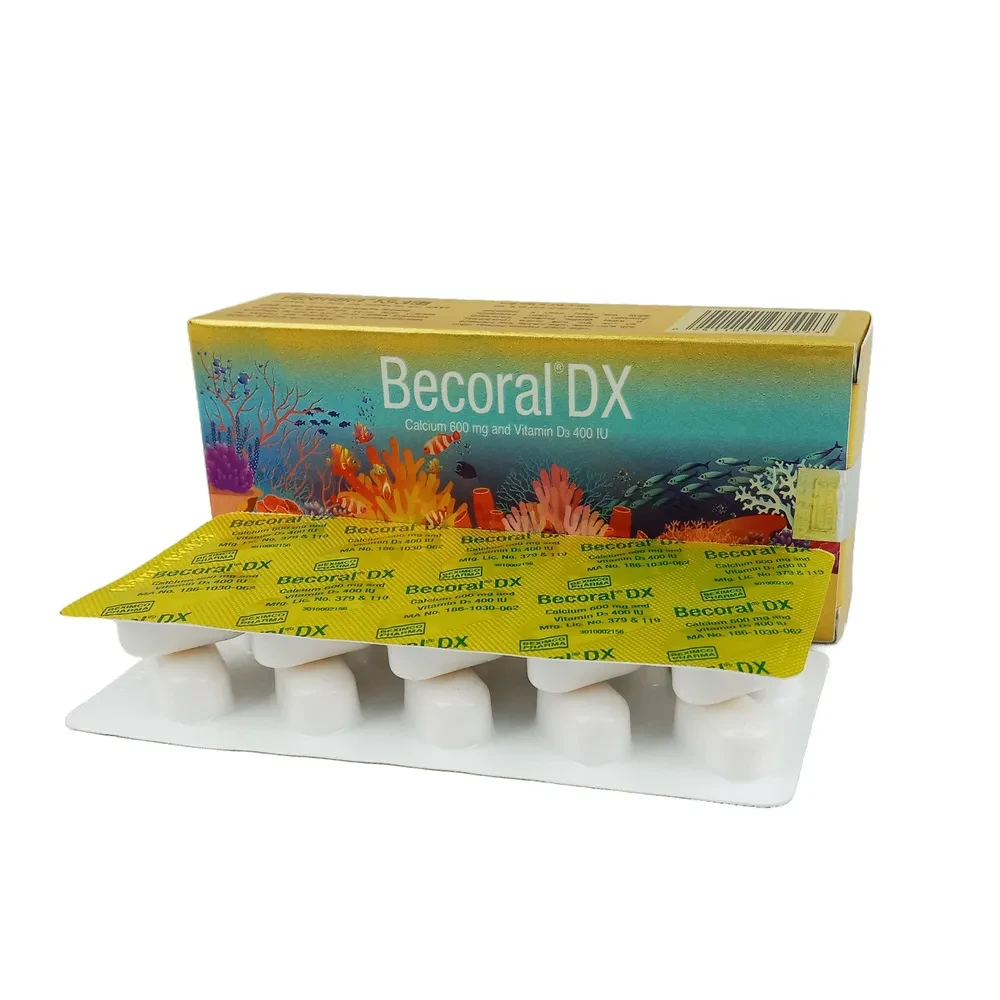
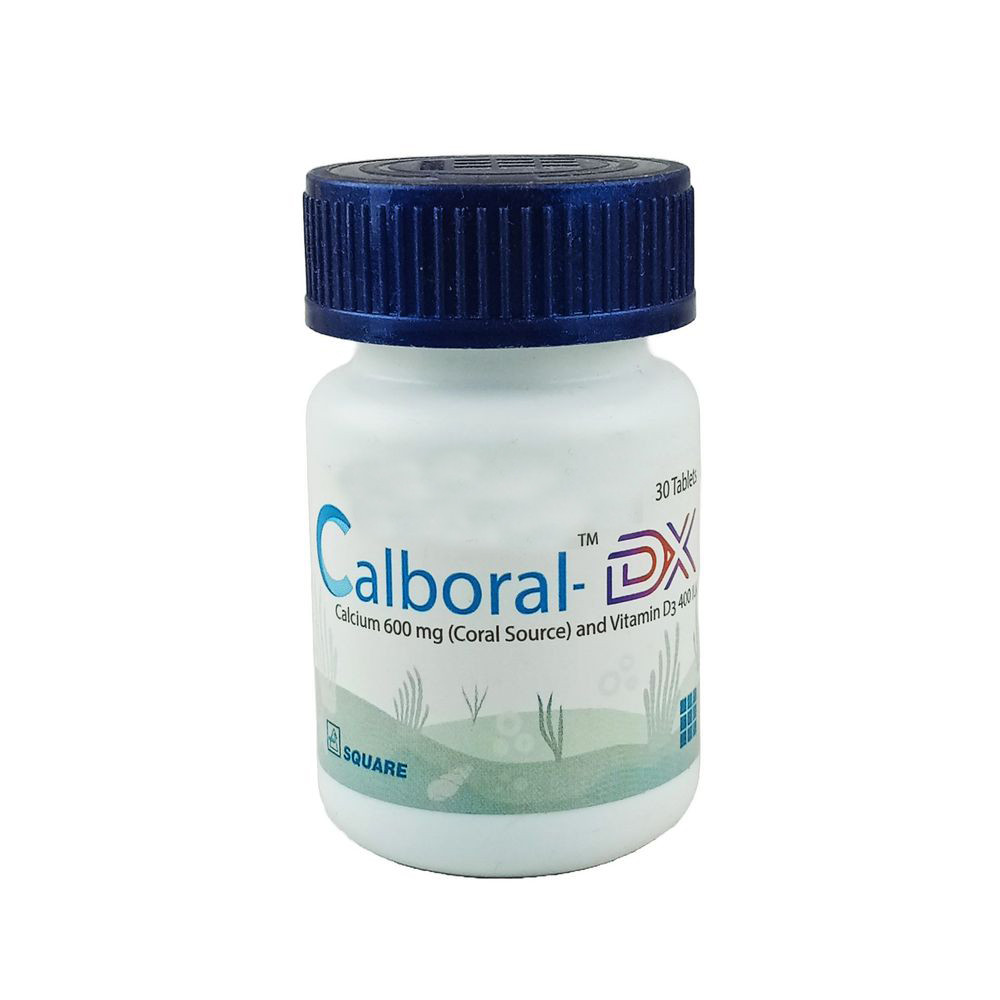
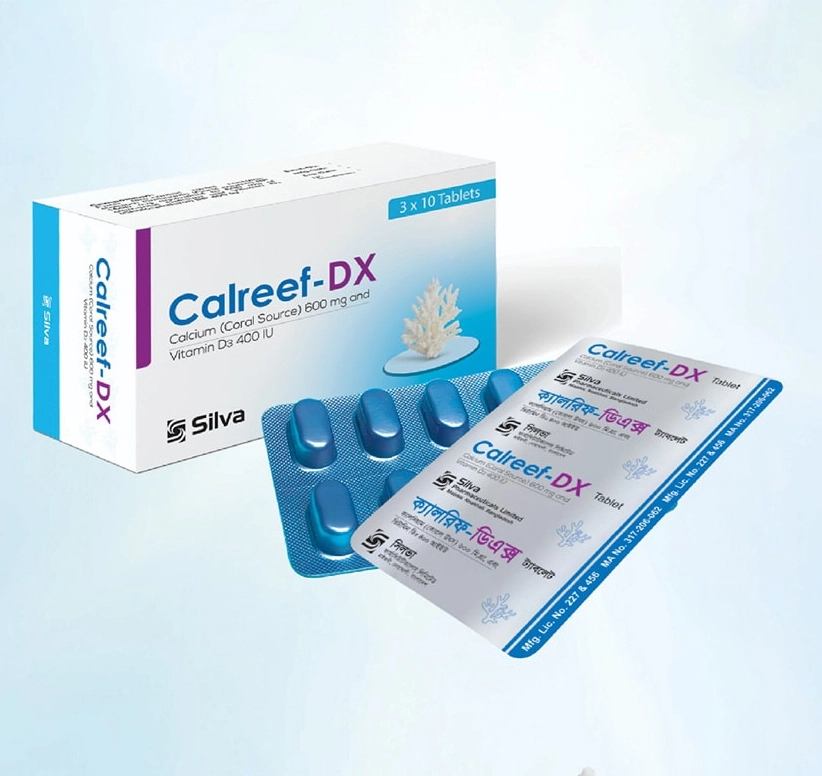
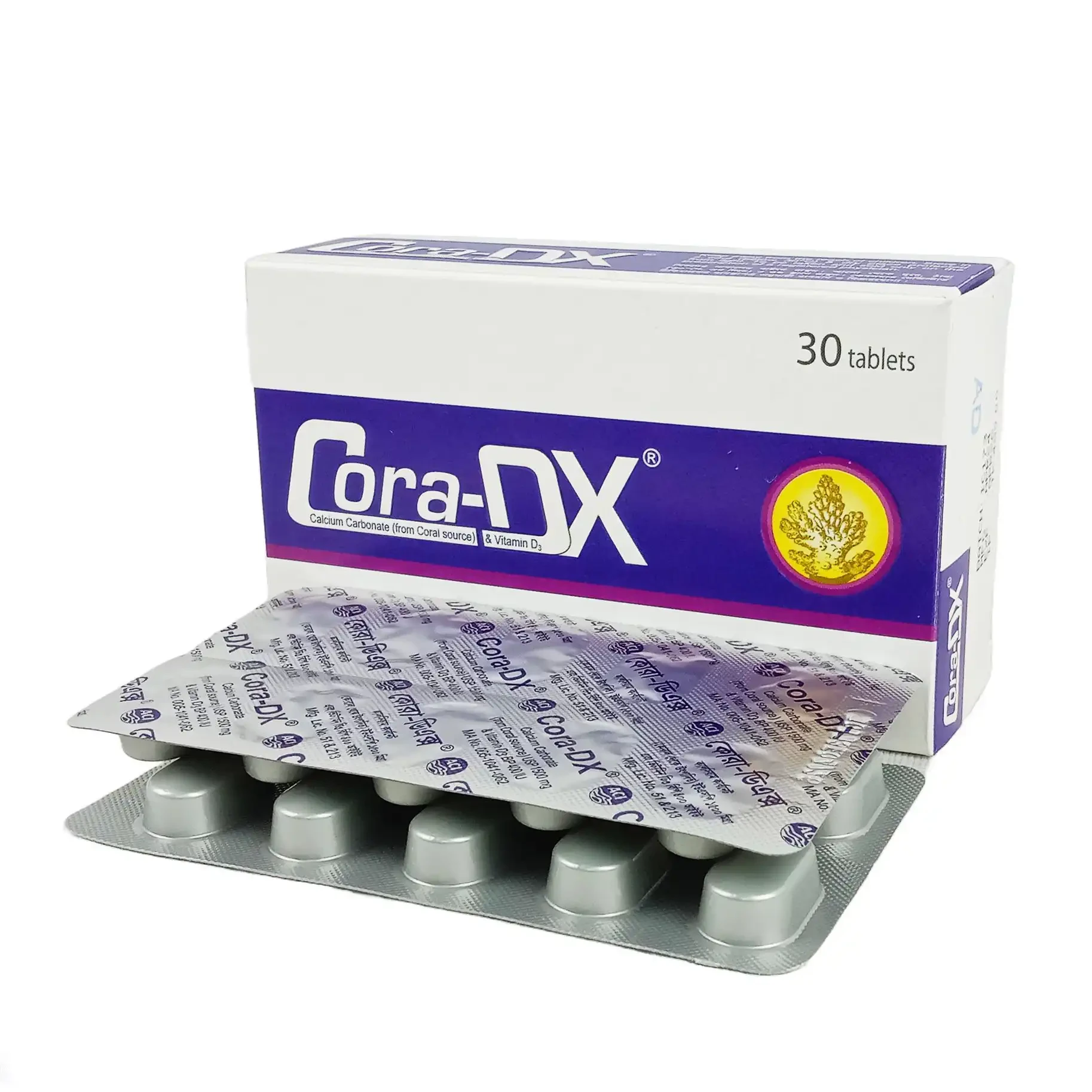
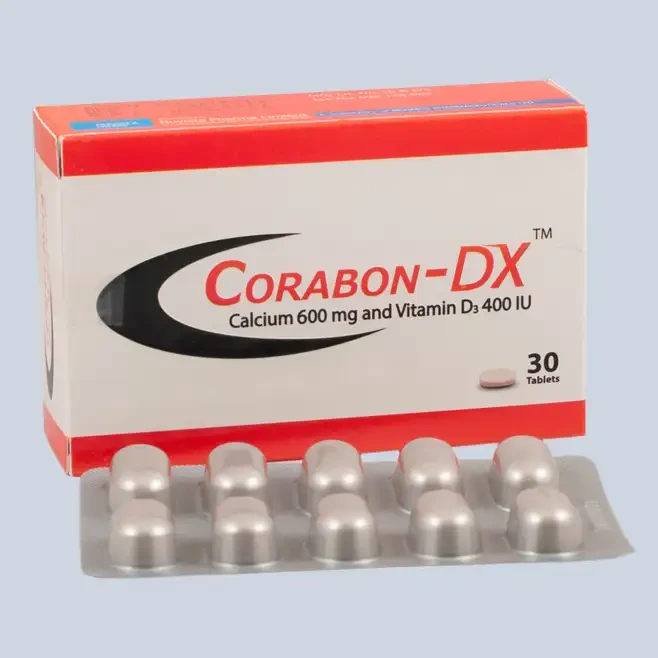
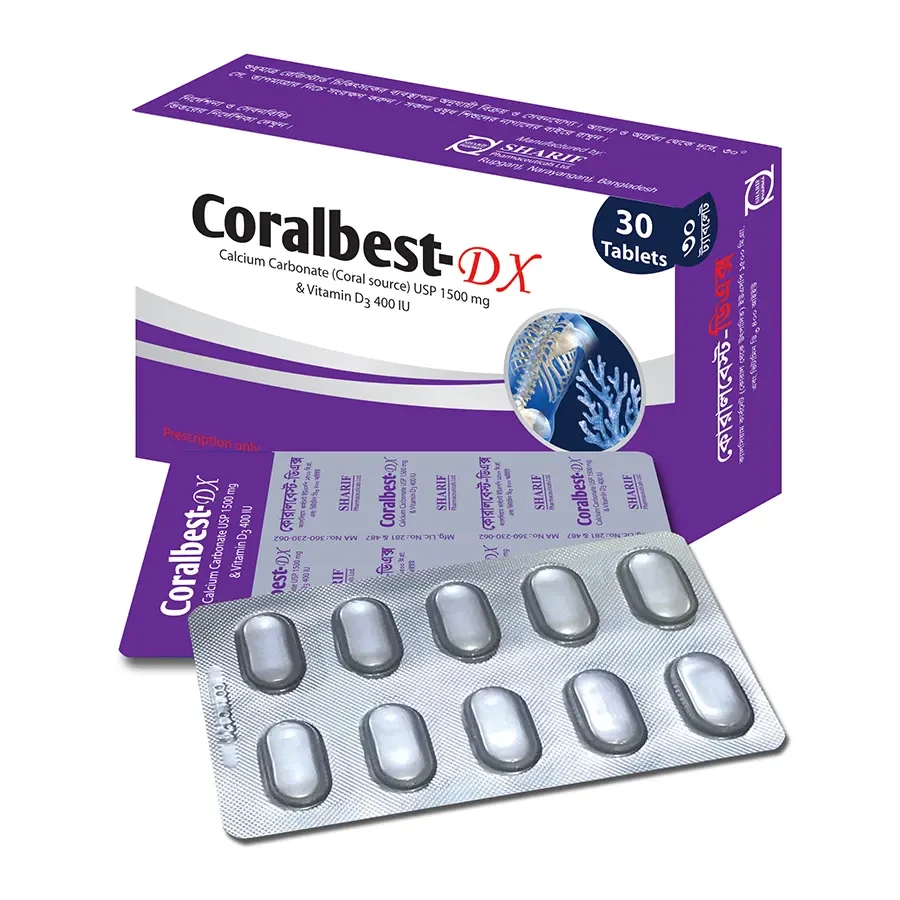
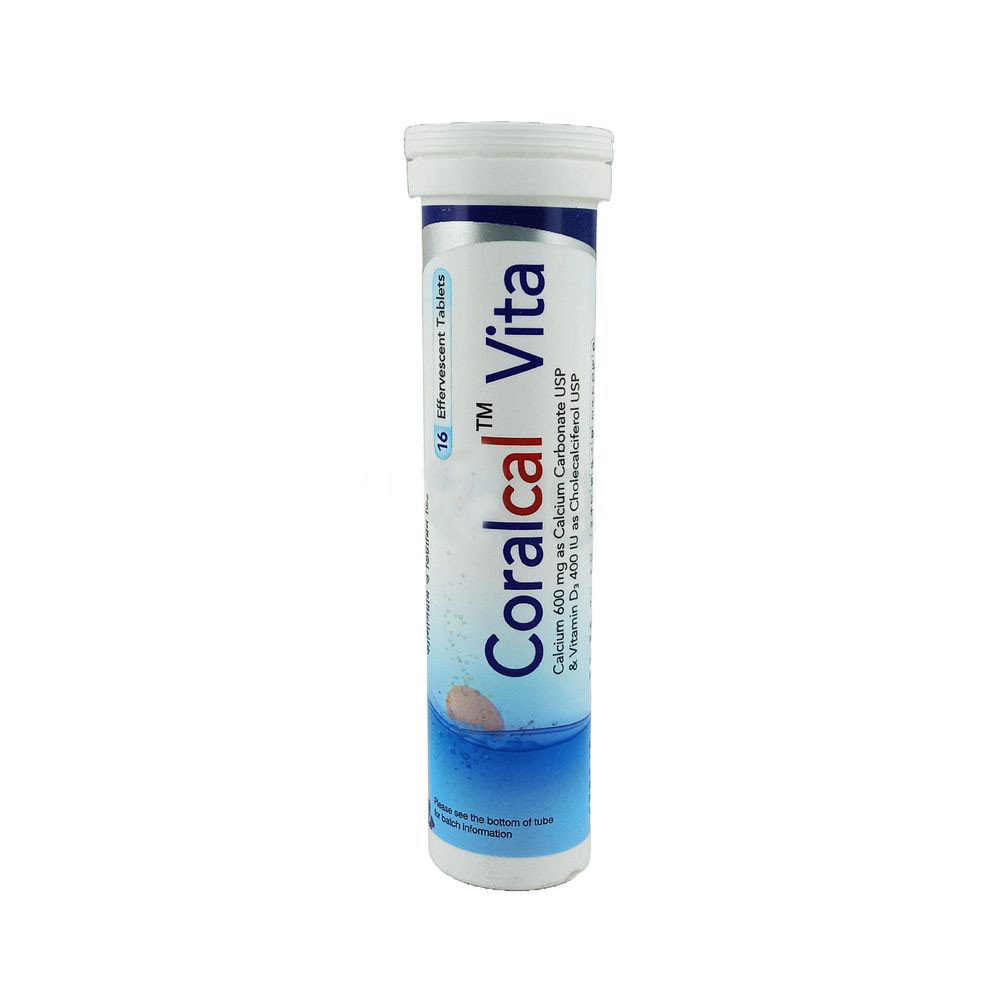
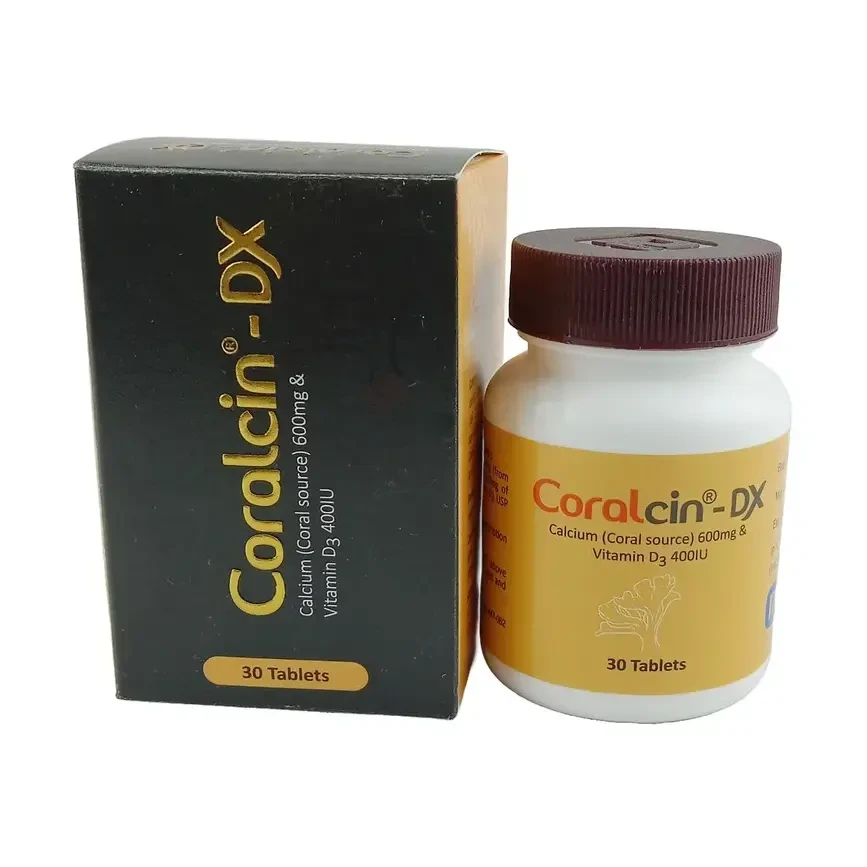
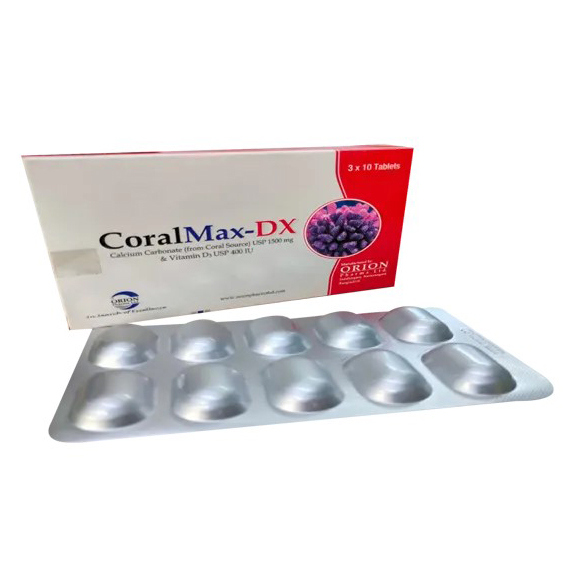
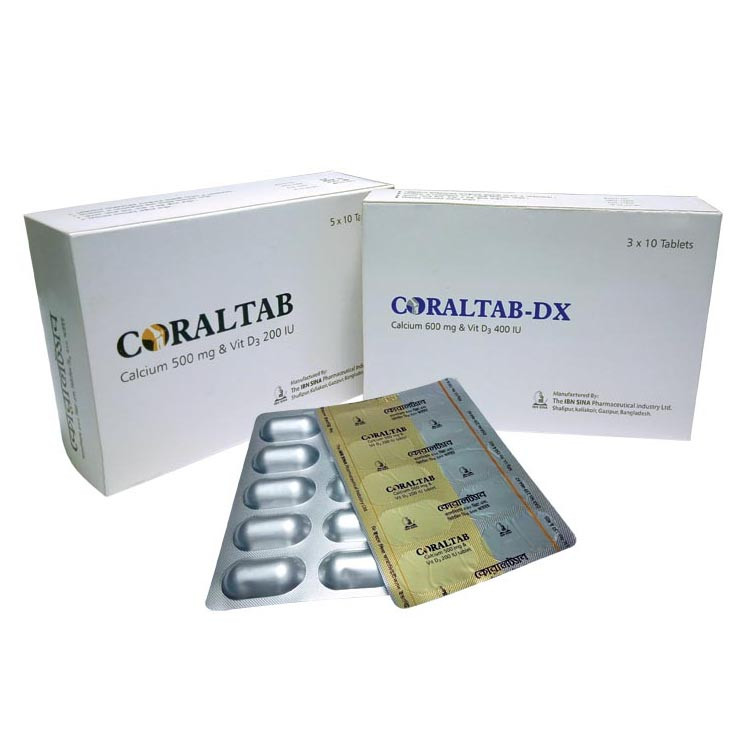
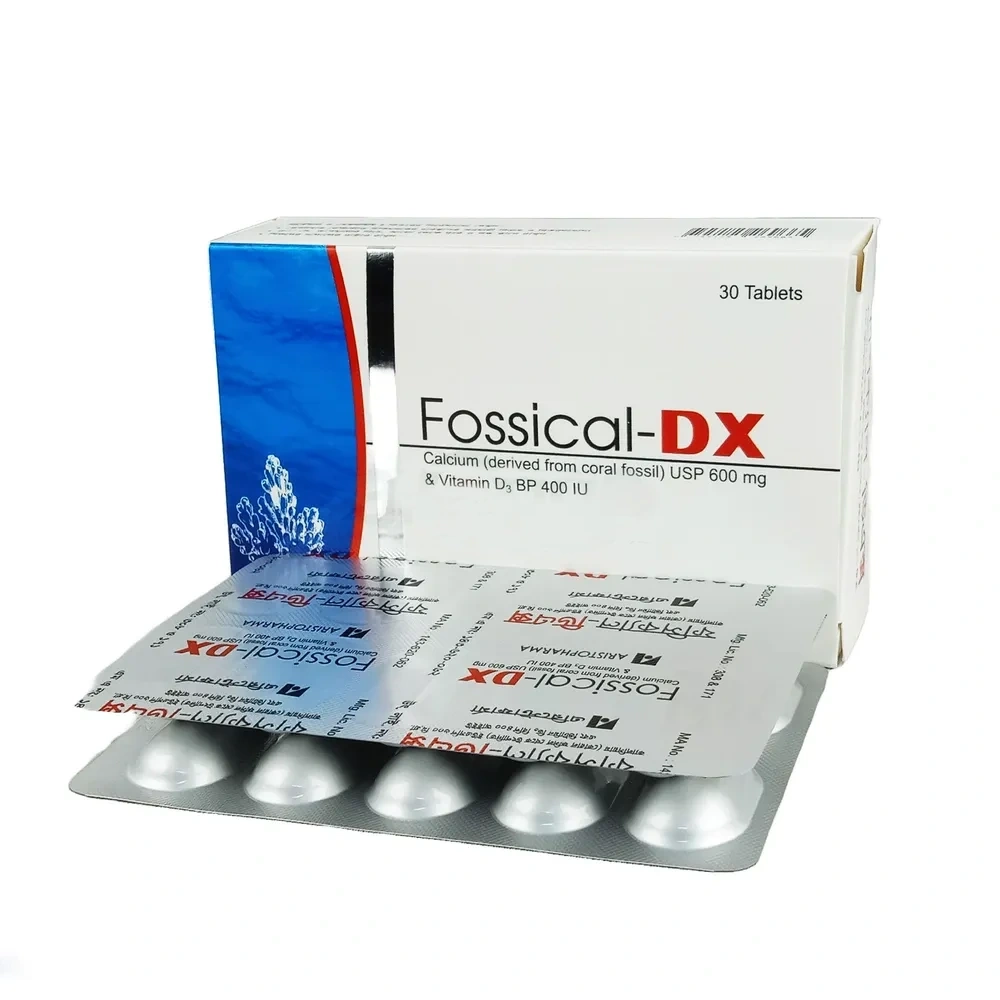
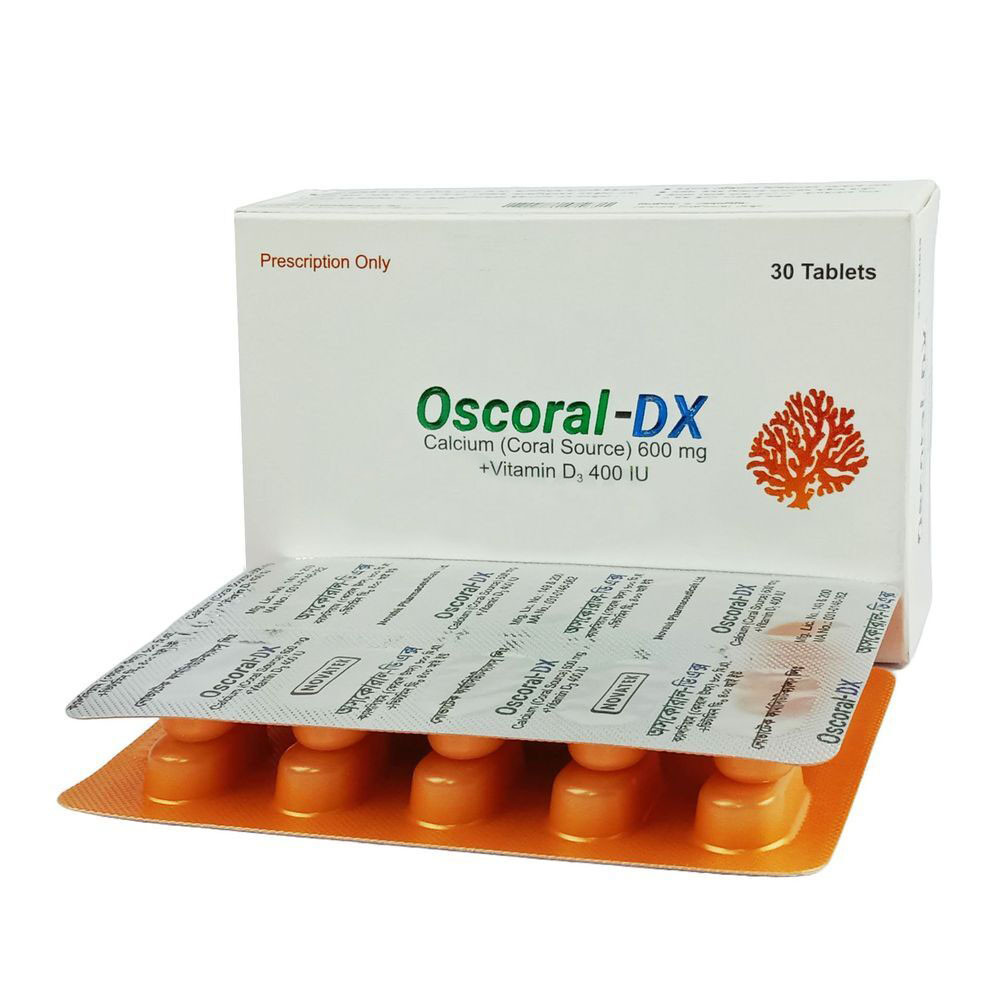
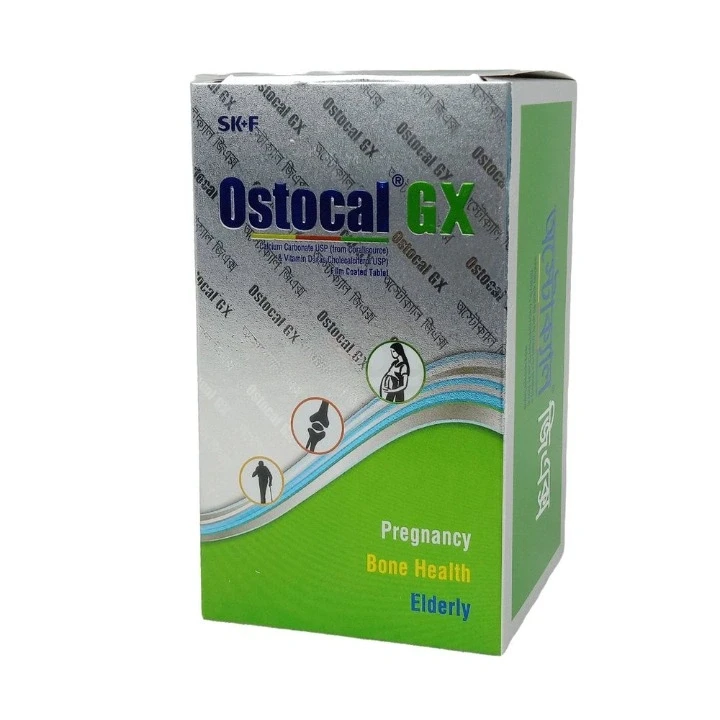
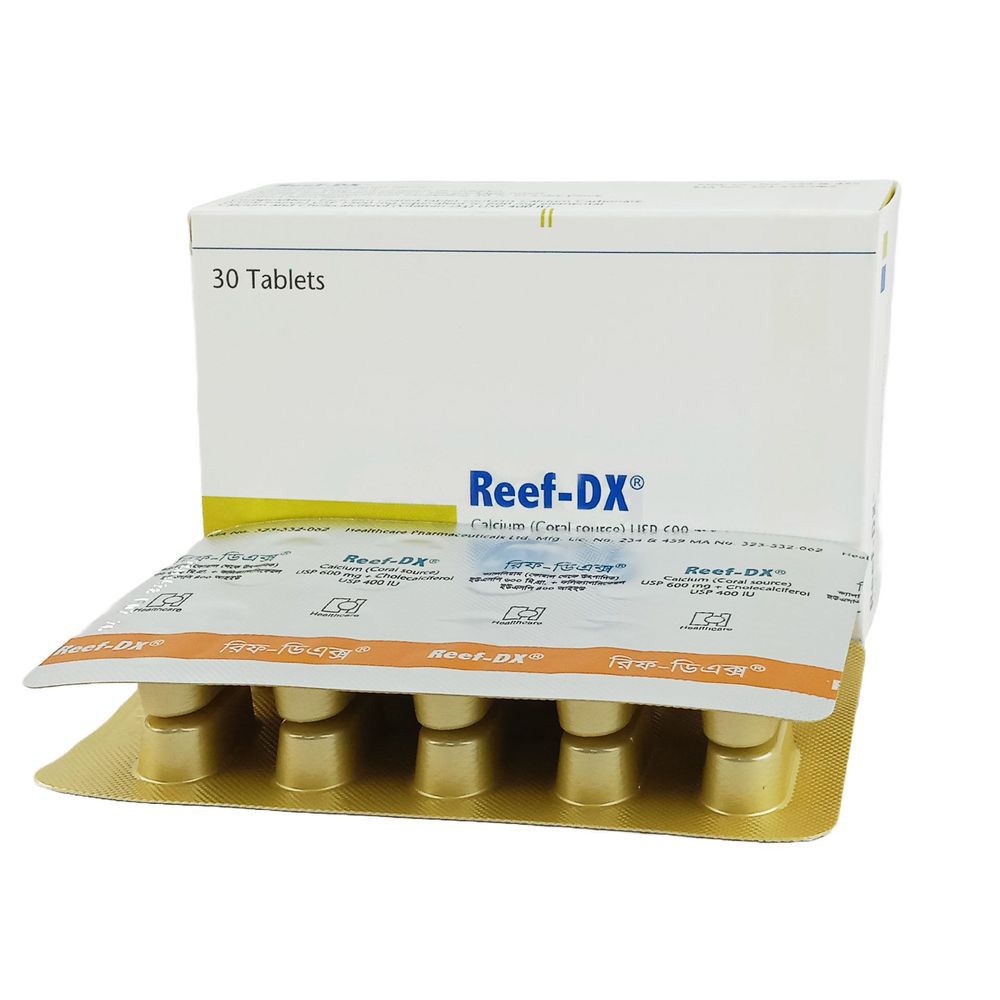
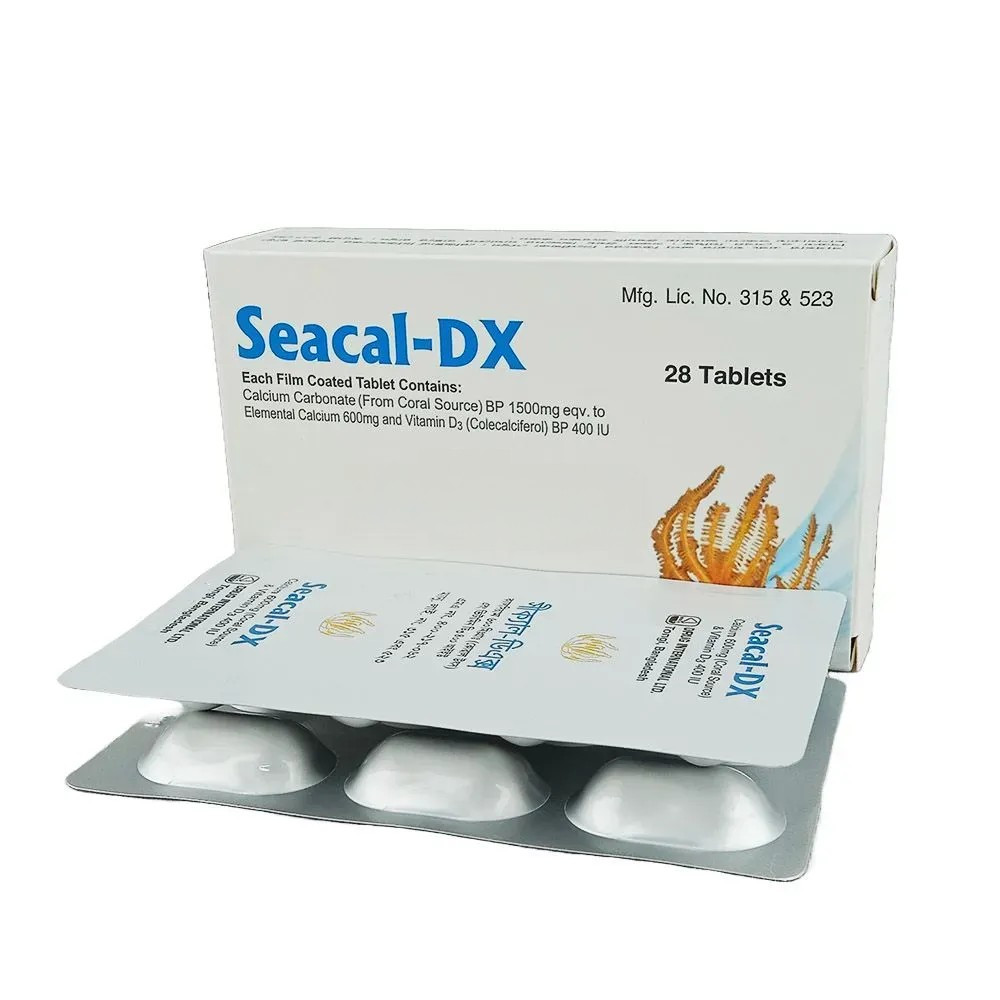
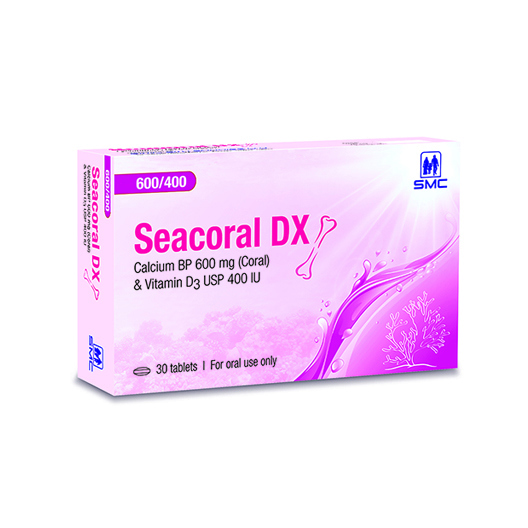
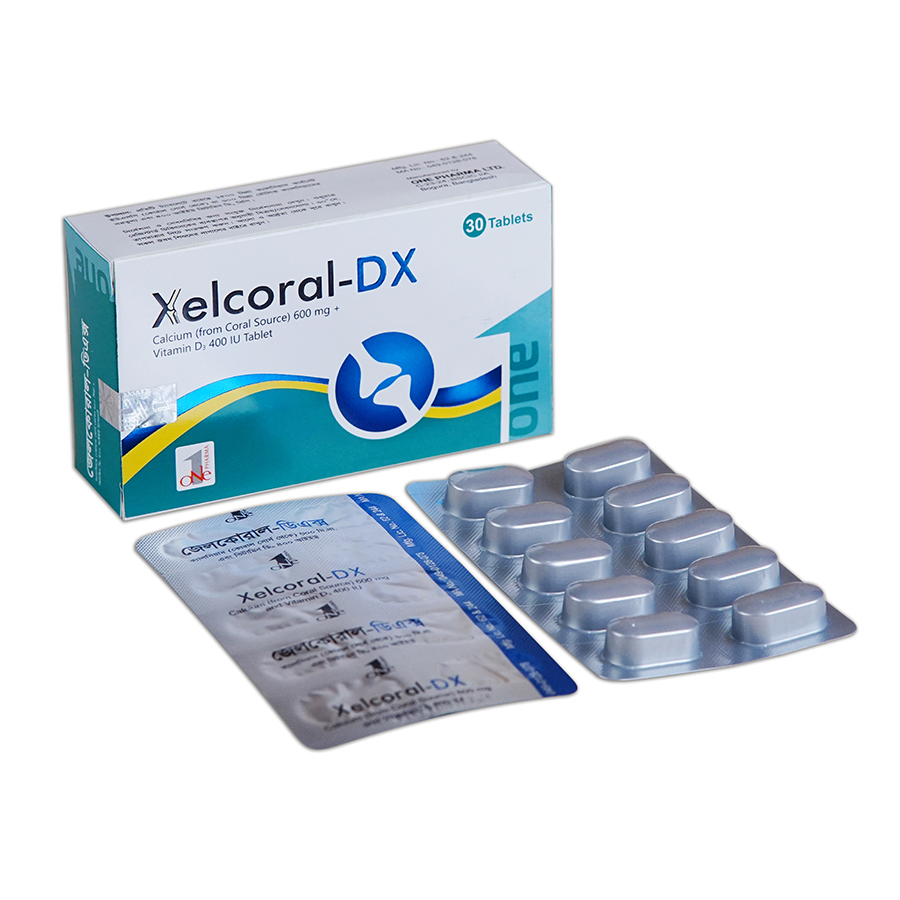
Calcium carbonate derived from coral sources, combined with Vitamin D3, is a dietary supplement used to support bone health and prevent deficiencies in calcium and Vitamin D. Calcium is essential for maintaining strong bones and teeth, while Vitamin D3 enhances calcium absorption and utilization in the body. This combination is often used to prevent or treat osteoporosis and other conditions related to calcium and Vitamin D deficiencies.
Uses
This supplement is commonly used for:
- Preventing and treating calcium and Vitamin D deficiencies.
- Supporting bone health, particularly in individuals at risk for osteoporosis or osteopenia.
- Enhancing calcium absorption and maintaining overall bone density.
Mechanism of Action
Calcium carbonate acts as a source of calcium, which is a critical component of bone tissue. When ingested, it dissolves in the stomach and releases calcium, which is absorbed in the intestines. Vitamin D3 facilitates the absorption of calcium from the gut into the bloodstream, ensuring that the calcium is utilized effectively for bone health and other physiological functions. Together, they help maintain appropriate calcium levels in the body and support bone strength.
How Long Does It Take to Work?
Effects on bone health and calcium levels may take several weeks to months to become noticeable. Improvement in bone density or reduction in symptoms of deficiency often requires long-term use. Regular monitoring by a healthcare provider can help assess the effectiveness of the supplement and make any necessary adjustments to dosage.
Absorption
Calcium carbonate is absorbed in the intestines after dissolving in the stomach. The absorption of calcium is enhanced by the presence of Vitamin D3, which promotes the intestinal uptake of calcium. The efficiency of absorption can be affected by the presence of food, especially meals high in calcium or fat.
Route of Elimination
Excess calcium that is not used by the body is primarily eliminated through the kidneys in the urine. Some calcium may also be excreted in the feces. Vitamin D3 is metabolized in the liver and kidneys, and its metabolites are excreted through the urine. Proper hydration and kidney function are important for effective elimination.
Dosage
The typical dosage for adults is:
- Calcium carbonate: 500-1000 mg per day, often divided into multiple doses.
- Vitamin D3: 400-800 IU per day, or as directed by a healthcare provider.
Administration
Calcium carbonate with Vitamin D3 is administered orally:
- Take with food to enhance calcium absorption and reduce potential gastrointestinal discomfort.
- Swallow tablets whole with a full glass of water. Some formulations may require chewing or dissolution in water.
Side Effects
Common side effects may include:
- Gastrointestinal issues such as bloating, gas, or constipation.
- In rare cases, allergic reactions or sensitivity to the supplement components.
Toxicity
Overconsumption of calcium or Vitamin D3 can lead to toxicity, presenting as:
- Hypercalcemia (high calcium levels), which may cause nausea, vomiting, confusion, or kidney stones.
- Vitamin D toxicity can lead to excessive calcium absorption and similar symptoms as hypercalcemia.
Precautions
Precautions include:
- Monitor calcium levels regularly, especially if taking high doses or if you have kidney or parathyroid disorders.
- Avoid excessive intake of calcium and Vitamin D from other sources to prevent toxicity.
- Consult with a healthcare provider before starting the supplement, particularly if you are pregnant, breastfeeding, or have underlying health conditions.
Interaction
Interactions may occur with:
- Certain medications, such as antibiotics or blood thinners, which may affect calcium absorption or metabolism.
- Other supplements containing calcium or Vitamin D, leading to potential overconsumption.
Disease Interaction
Use with caution in individuals with:
- Kidney disease or impaired renal function, as calcium and Vitamin D metabolism may be affected.
- Hyperparathyroidism or conditions causing elevated calcium levels.
Drug Interaction
Drug interactions include:
- Antacids or other calcium-containing supplements that may affect calcium absorption.
- Certain diuretics or medications affecting calcium metabolism.
Food Interactions
Food interactions include:
- High calcium or iron-containing foods may affect the absorption of calcium carbonate. It is advisable to take the supplement with a meal to optimize absorption.
- Foods high in fat may interfere with Vitamin D absorption, so taking the supplement with a meal may be beneficial.
Pregnancy Use
The combination is generally considered safe during pregnancy when used as directed. Calcium and Vitamin D are important for maternal bone health and fetal development. Consult a healthcare provider to determine appropriate dosage and ensure safety during pregnancy.
Lactation Use
Calcium carbonate and Vitamin D3 are also considered safe during lactation. Adequate intake supports bone health and calcium levels in both the mother and breastfeeding infant. Consult a healthcare provider for dosage recommendations and to ensure there are no adverse effects on the infant.
Acute Overdose
Acute overdose may lead to symptoms such as:
- Hypercalcemia, which can cause nausea, vomiting, excessive thirst, and confusion.
- Vitamin D toxicity, presenting as symptoms of hypercalcemia.
Contraindication
Contraindications include:
- Known hypersensitivity to calcium carbonate, Vitamin D3, or any components of the supplement.
- Conditions leading to excessive calcium levels or vitamin D toxicity.
Use Direction
For optimal use:
- Follow the dosage instructions provided on the product label or by a healthcare provider.
- Take with food to enhance absorption and minimize gastrointestinal discomfort.
- Regularly monitor calcium and Vitamin D levels if using high doses or over extended periods.
Storage Conditions
Store the supplement in a cool, dry place at room temperature (15-30°C or 59-86°F). Keep it away from moisture and direct sunlight. Ensure the container is tightly closed and out of reach of children. Do not use past the expiration date.
Volume of Distribution
The volume of distribution is not typically measured for calcium carbonate and Vitamin D3 supplements due to their oral and localized effects. They primarily act within the gastrointestinal tract and bloodstream following absorption.
Half Life
The half-life of calcium carbonate and Vitamin D3 is not usually specified for topical or oral supplements. Calcium has a relatively long half-life in the body, while Vitamin D3 has a longer half-life, with its effects persisting as long as it is used regularly.
Clearance
Clearance of calcium and Vitamin D3 from the body occurs through:
- Renal excretion of excess calcium and Vitamin D metabolites.
- Metabolism in the liver and kidneys, with metabolites excreted in the urine.