Introduction
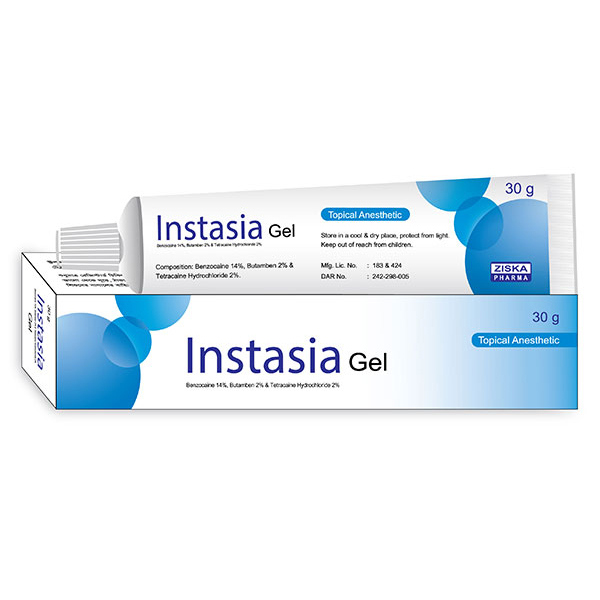
Benzocaine, Butamben, and Tetracaine Hydrochloride are local anesthetics used together to provide temporary relief from pain and discomfort in specific areas. This combination is often used in topical formulations to numb the skin or mucous membranes.
Uses
This combination is used for:
- Topical Anesthesia: Providing local pain relief in various conditions such as minor burns, insect bites, and other localized skin irritations.
- Medical Procedures: Numbing areas of the body prior to minor medical or dental procedures to minimize discomfort.
Mechanism of Action
Benzocaine, Butamben, and Tetracaine Hydrochloride work by blocking sodium channels in nerve cells. This inhibition prevents the generation and transmission of nerve impulses, thereby numbing the affected area. Each anesthetic in the combination contributes to the overall numbing effect, with Tetracaine being more potent and long-acting compared to Benzocaine and Butamben.
How Long Does It Take to Work?
The onset of action for this combination typically occurs within a few minutes after application. The exact time can vary based on the specific formulation and the site of application. Generally, relief can be expected to begin promptly following application.
Absorption
The absorption of these anesthetics into the bloodstream is minimal when applied topically. The degree of absorption depends on the area of application and the condition of the skin or mucous membranes. Absorption is generally low with topical use, reducing the risk of systemic effects.
Route of Elimination
The primary route of elimination for these local anesthetics is through metabolism in the liver, followed by excretion via the kidneys. The extent of systemic absorption is low, so systemic elimination is not a major concern with topical use.
Dosage
Dispense and apply 200 mg of gel (a bead approximately ¼ to ½ inches long) by gently squeezing the tube. Application of gel in excess of 400 mg is contraindicated. Spread thinly and evenly over the desired area using a cotton swab. An appropriate pediatric dosage has not been established for this topical gel. Dosages should be reduced in the debilitated elderly, acutely ill, and very young patients Tissue need not be dried prior to application of this topical gel. It should be applied directly to the site where pain control is required. Anesthesia is produced within one minute with an approximate duration of thirty minutes.Pediatric Use: Safety and effectiveness of this gel in pediatric patients have not been established.
The dosage of Benzocaine, Butamben, and Tetracaine Hydrochloride depends on the specific formulation and the area to be treated. Typical topical preparations are used according to the following guidelines:
- Application Frequency: Usually applied 2-3 times daily, or as needed based on the formulation and instructions.
- Amount: A thin layer should be applied to the affected area. Avoid excessive application to minimize potential side effects.
Always follow the specific dosage instructions provided with the product or by a healthcare provider.
Administration
This combination is administered topically. Apply the medication directly to the affected area, avoiding contact with eyes and mucous membranes unless directed otherwise. Gently rub in if required, based on the product's instructions.
Side Effects
Possible side effects may include:
- Localized skin irritation, such as redness, itching, or swelling.
- Allergic reactions, which may present as rash or hives.
- Rarely, systemic effects such as dizziness or headache if excessive amounts are absorbed.
Consult a healthcare provider if side effects persist or worsen.
Toxicity
Toxicity is rare with proper use but can occur with excessive application or ingestion. Symptoms of toxicity may include dizziness, confusion, or severe allergic reactions. Immediate medical attention should be sought if toxicity is suspected.
Precautions
Precautions include:
- Using the medication only as directed and avoiding excessive application.
- Avoiding use on broken or irritated skin to reduce the risk of systemic absorption and adverse effects.
- Consulting with a healthcare provider if you have a history of allergies to local anesthetics or other relevant medical conditions.
Interaction
Interactions with other medications are minimal when used topically. However, it is important to inform your healthcare provider of all medications and topical treatments you are using to avoid potential interactions.
Disease Interaction
Patients with skin conditions or open wounds should use this medication with caution. Consult a healthcare provider if you have a history of significant skin conditions or other relevant health issues.
Drug Interaction
Topical use of these anesthetics generally has minimal drug interactions. Ensure to discuss all medications and treatments with your healthcare provider to avoid potential interactions.
Food Interactions
There are no specific food interactions associated with topical use of this combination. It is recommended to avoid applying the medication immediately before eating to prevent inadvertent ingestion.
Pregnancy Use
The safety of this combination during pregnancy has not been well established. Use during pregnancy should be based on a risk-benefit assessment by a healthcare provider. Consult with your healthcare provider before using this medication if you are pregnant or planning to become pregnant.
Lactation Use
Consult a healthcare provider before using this combination if you are breastfeeding. The risk to the infant from topical use is generally low, but it is important to ensure that the medication does not come into contact with the breast area.
Acute Overdose
Acute overdose from topical application is rare but can occur with excessive use. Symptoms of overdose may include severe allergic reactions or systemic effects. Seek medical attention immediately if overdose is suspected.
Contraindication
Contraindications include known hypersensitivity to any of the components (Benzocaine, Butamben, Tetracaine Hydrochloride). Do not use on large areas of broken or inflamed skin unless directed by a healthcare provider.
Use Direction
Apply a thin layer to the affected area as directed. Avoid using more than recommended and do not apply to broken or irritated skin. Follow the specific instructions provided with the product or given by a healthcare provider.
Storage Conditions
Store at room temperature, away from moisture and heat. Keep the product tightly closed and out of reach of children. Ensure the product is used before the expiration date provided on the packaging.
Volume of Distribution
The volume of distribution is not typically relevant for topical applications, as systemic absorption is minimal. For detailed pharmacokinetic information, consult the specific product information or relevant medical literature.
Half Life
The half-life of each component varies and is not typically a primary concern with topical applications due to minimal systemic absorption. For specific half-life details, refer to pharmacological data provided with the product.
Clearance
Clearance is primarily through hepatic metabolism and renal excretion. Minimal systemic clearance is expected due to the topical application. Consult product-specific information for more details on clearance if needed.