Introduction
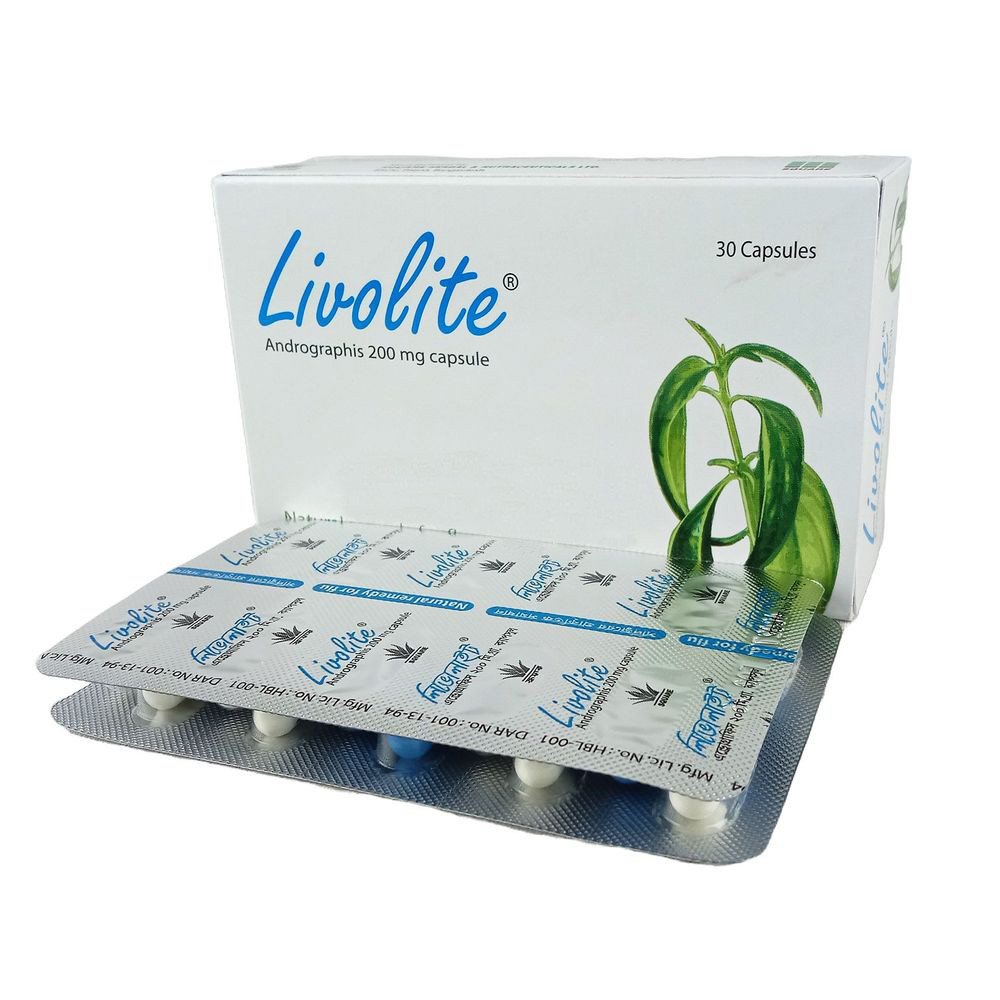
Andrographis paniculata, also known as "King of Bitters," is a medicinal plant widely used in traditional medicine, particularly in Ayurveda and Traditional Chinese Medicine. Its primary bioactive compound is andrographolide, which is known for its anti-inflammatory, antiviral, and immune-enhancing properties. It is commonly used to treat respiratory infections, fever, and other inflammatory conditions.
Uses
Andrographis paniculata is mainly used to support immune function and combat infections, particularly the common cold and flu. It is also employed to manage inflammatory conditions such as arthritis and to improve digestive health. Additionally, it may be used in treating fever, sore throat, and as an adjunct in the management of liver diseases.
Mechanism of Action
The primary mechanism of action of Andrographis paniculata is through its bioactive component, andrographolide, which exhibits anti-inflammatory, antiviral, and immunomodulatory effects. Andrographolide inhibits pro-inflammatory cytokines and mediators such as TNF-α, IL-6, and NF-κB. It also enhances immune responses by stimulating the production of antibodies and activating white blood cells to fight infections. The antiviral activity is thought to result from the inhibition of viral replication in infected cells.
How Long Does It Take to Work?
Effects can vary depending on the condition being treated. For upper respiratory tract infections, relief of symptoms such as sore throat and nasal congestion is typically noticed within 2-3 days of use. For chronic inflammatory conditions, it may take 1-2 weeks of consistent use to observe benefits.
Absorption
Andrographolide, the main active compound, is absorbed through the gastrointestinal tract. Bioavailability is moderate due to its lipophilic nature, and the peak plasma concentration is typically reached within 1-2 hours after oral administration.
Route of Elimination
Andrographis paniculata and its metabolites are primarily excreted through the liver and kidneys. It undergoes hepatic metabolism and is eliminated in the bile and urine.
Dosage
Age 18 and above: 1 capsule 3 times daily after meal for 5 to 10 days.12 to 17 years: 1 capsule 2 times daily after meal for 5 to 10 days.
4 to 11 years: 1 capsule daily after meal for 5 to 10 days or as directed by the physician.
For treating the common cold and flu, a typical dosage of Andrographis paniculata extract ranges from 200-400 mg of andrographolide daily, often divided into 2-3 doses. For chronic inflammatory conditions, doses of 600-1,200 mg of the extract per day may be used. The exact dosage depends on the condition being treated and the concentration of active ingredients in the product. It is usually recommended to take it for no longer than 12 weeks continuously.
Administration
Andrographis paniculata is typically administered orally in the form of tablets, capsules, or tinctures. It is usually taken with meals to improve absorption and reduce gastrointestinal discomfort. Consistent, regular dosing is key to achieving therapeutic effects.
Side Effects
Common side effects include gastrointestinal symptoms such as nausea, diarrhea, and stomach upset. In rare cases, allergic reactions may occur, including rash, itching, or swelling. It may also cause fatigue or headaches in some individuals.
Toxicity
At recommended dosages, Andrographis paniculata is generally safe. However, high doses or prolonged use may cause hepatotoxicity or gastrointestinal distress. There is a potential for toxicity if used excessively, particularly in individuals with preexisting liver conditions.
Precautions
Individuals with liver disease, gastrointestinal disorders, or autoimmune conditions should consult a healthcare provider before using Andrographis paniculata. Pregnant and breastfeeding women should avoid using it due to insufficient safety data. It may also affect blood sugar levels and should be used with caution in people with diabetes.
Interaction
Andrographis paniculata may interact with medications that affect the immune system, such as immunosuppressants or corticosteroids. It may also enhance the effects of anticoagulants and antiplatelet drugs, potentially increasing the risk of bleeding. Individuals taking these medications should consult a healthcare provider before use.
Disease Interaction
Use with caution in individuals with autoimmune disorders such as lupus, multiple sclerosis, or rheumatoid arthritis, as Andrographis paniculata may stimulate immune activity. Those with gastrointestinal conditions like irritable bowel syndrome (IBS) or Crohn’s disease should also consult a healthcare provider before use due to potential gastrointestinal side effects.
Drug Interaction
Andrographis paniculata may interact with immunosuppressant drugs, reducing their effectiveness. It may also interact with anticoagulants, increasing the risk of bleeding. Additionally, it may enhance the effect of antihypertensive medications, potentially leading to low blood pressure.
Food Interactions
There are no significant food interactions with Andrographis paniculata. However, it is best to take it with food to improve absorption and reduce the risk of gastrointestinal discomfort.
Pregnancy Use
Andrographis paniculata is not recommended for use during pregnancy due to insufficient safety data and potential risks of miscarriage, as some animal studies have shown adverse effects on pregnancy outcomes. Pregnant women should avoid using this supplement.
Lactation Use
The safety of Andrographis paniculata during lactation has not been well studied. It is generally recommended to avoid using it while breastfeeding due to the lack of data on its safety for nursing infants.
Acute Overdose
An acute overdose of Andrographis paniculata may result in symptoms such as nausea, vomiting, diarrhea, dizziness, or abdominal pain. In severe cases, it may cause liver toxicity or allergic reactions. If an overdose is suspected, seek medical attention immediately.
Contraindication
Andrographis paniculata is contraindicated in individuals with known hypersensitivity or allergy to the plant or its active components. It should not be used by individuals with severe liver disease, autoimmune conditions, or those who are pregnant or breastfeeding.
Use Direction
Take Andrographis paniculata supplements as directed by a healthcare provider or according to the product label. It is typically taken orally with food, and the dosage should not exceed the recommended amount. Use for no longer than 12 weeks continuously without consulting a healthcare provider.
Storage Conditions
Store Andrographis paniculata in a cool, dry place, away from direct sunlight and moisture. Ensure the product is tightly sealed after each use. Keep out of reach of children.
Volume of Distribution
The volume of distribution for Andrographis paniculata has not been extensively studied. However, its active compound, andrographolide, is known to distribute throughout the body, particularly in the liver and immune-related tissues.
Half-Life
The half-life of andrographolide, the main active compound in Andrographis paniculata, is approximately 2-3 hours after oral administration. This can vary based on individual metabolism and dosage form.
Clearance
Andrographis paniculata is primarily cleared through hepatic metabolism, with the majority of its metabolites excreted through the bile and urine. The rate of clearance may be slower in individuals with impaired liver or kidney function.