Introduction
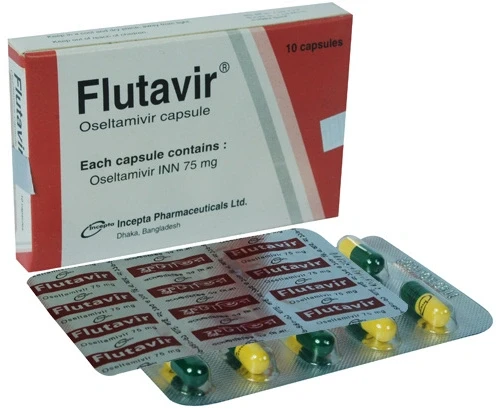
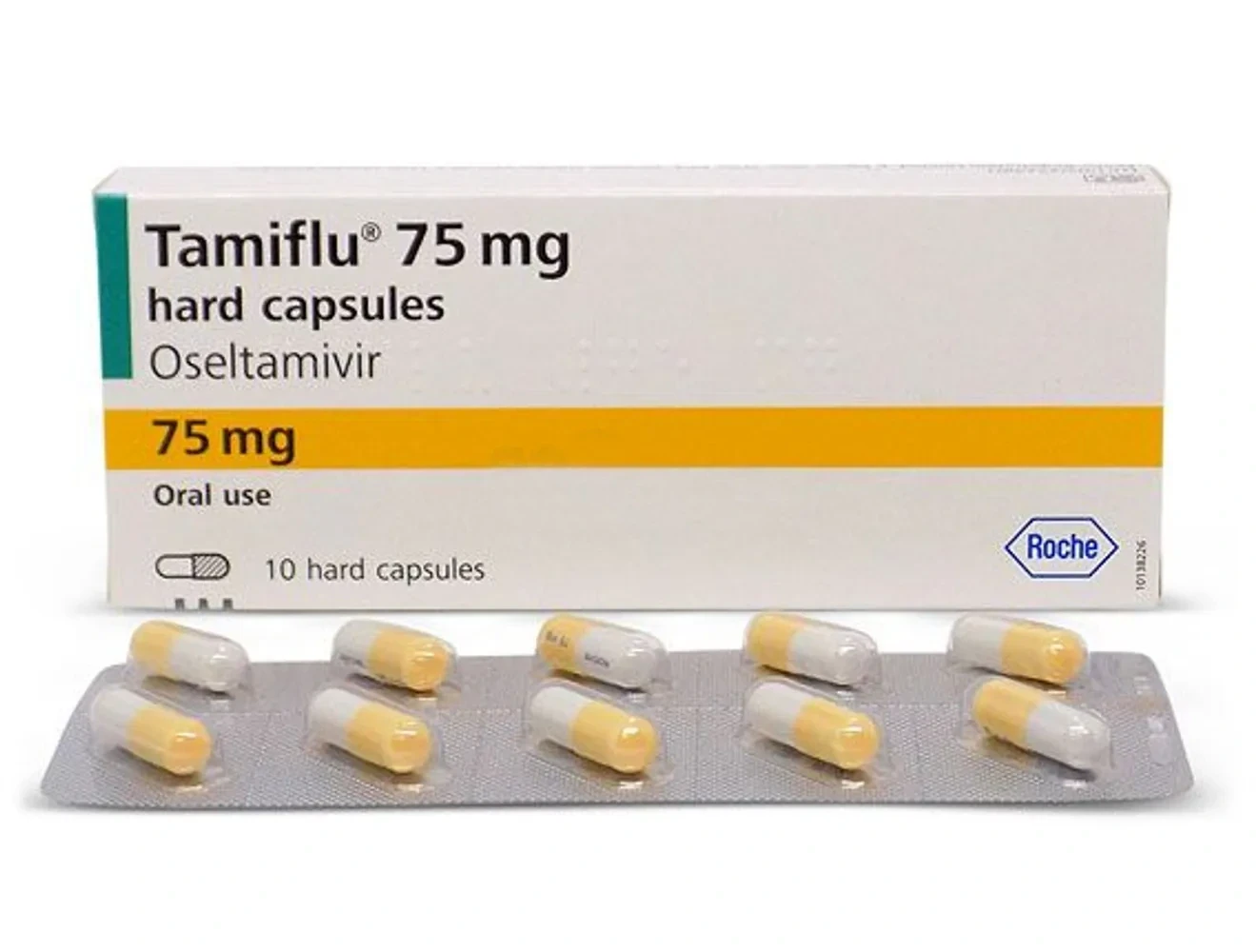
Oseltamivir is an antiviral neuraminidase inhibitor used for the treatment and prevention of influenza A and B infections. It works by inhibiting the viral neuraminidase enzyme, preventing the release of new virus particles from infected cells and limiting viral replication and spread. Oseltamivir is most effective when started within 48 hours of symptom onset, as it can shorten the duration of illness and may reduce the risk of influenza-related complications in high-risk or severely ill patients. Common adverse effects include nausea, vomiting, neuropsychiatric reactions, and renal adverse events.
Uses
Oseltamivir is a neuraminidase inhibitor used in the prophylaxis and treatment of influenza.
According to FDA prescribing information, oseltamivir is indicated for the treatment of acute, uncomplicated illness due to influenza A and B infection in patients 2 weeks of age and older who have been symptomatic for no more than 48 hours . In particular, this agent is indicated in adults and children including full-term neonates who present with symptoms typical of influenza when influenza virus is circulating in the community. Efficacy has been demonstrated when treatment is initiated within two days of the first onset of symptoms.
Oseltamivir is also indicated for the prophylaxis of influenza in patients one year and older . Specifically, post-exposure prevention in individuals one year of age or older following contact with a clinically diagnosed influenza case when influenza virus is circulating in the community qualifies for such prophylactic therapy. Oseltamivir would only be indicated for post-exposure prevention of influenza in infants less than 1 year of age during a pandemic influenza outbreak.
Associated Conditions
Pharmacodynamics
There have been postmarketing reports of delirium and abnormal behavior leading to injury, and in some cases resulting in fatal outcomes, in patients with influenza who were receiving oseltamivir. Because these events were reported voluntarily during clinical practice, estimates of frequency cannot be made but they appear to be uncommon based on oseltamivir. These events were reported primarily among pediatric patients and often had an abrupt onset and rapid resolution. The contribution of oseltamivir to these events has not been established. Influenza can be associated with a variety of neurologic and behavioral symptoms that can include events such as hallucinations, delirium, and abnormal behavior, in some cases resulting in fatal outcomes. These events may occur in the setting of encephalitis or encephalopathy but can occur without obvious severe disease.
Mechanism of Action
Oseltamivir phosphate is a pro-drug of the active metabolite (oseltamivir carboxylate) which is a potent and selective inhibitor of influenza virus neuraminidase enzymes, which are glycoproteins found on the virion surface. Viral neuraminidase enzyme activity is important for viral entry into uninfected cells, for the release of recently formed virus particles from infected cells, and for the further spread of the infectious virus in the body. Oseltamivir activity reduces viral shedding and infectivity.
Oseltamivir is effective agaisnt viral neuraminidases of influenza A (including pandemic H1N1) and influenza B.
Absorption
Oseltamivir is readily absorbed from the gastrointestinal tract after oral administration of oseltamivir phosphate and is extensively converted by predominantly hepatic esterases to the active metabolite oseltamivir carboxylate. At least 75 % of an oral dose reaches the systemic circulation as the active metabolite. Exposure to the pro-drug is less than 5 % relative to the active metabolite. Plasma concentrations of both pro-drug and active metabolite are proportional to dose and are unaffected by co-administration with food. Pharmacokinetic parameters following twice daily dosing of oseltamivir 75mg capsules are as follows: Cmax of oseltamivir and oseltamivir carboxylate were found to be 65ng/mL and 348ng/mL, respectively, while AUC (0-12h) of oseltamivir and oseltamivir carboxylate were found to be 112ng·h/mL and 2719ng·h/mL, respectively.
Volume of Distribution
The mean volume of distribution at steady state of the oseltamivir carboxylate ranges approximately between 23 and 26 liters in humans, a volume that is roughly equivalent to extracellular body fluid. Since neuraminidase activity is extracellular, oseltamivir carboxylate distributes to all sites of influenza virus spread.
Protein Binding
The binding of the active oseltamivir carboxylate metabolite to human plasma protein is negligible at approximately 3 % while the binding of oseltamivir to human plasma protein is 42%, which is insufficient to cause significant displacement-based drug interactions.
Route of Elimination
Following absorption, oseltamivir is more than 90 % eliminated through conversion to oseltamivir carboxylate and subsequent elimination entirely through renal excretion. During clinical studies, less than 20 % of oral radiolabelled dose was found to be eliminated in faeces.
Half Life
Plasma concentrations of oseltamivir declined with a half-life of 1 to 3 hours in most subjects after oral administration, although plasma concentrations of oseltamivir carboxylate declined with a half-life of 6 to 10 hours in most subjects after oral administration.
Clearance
Renal clearance (18.8 l/h) of the drug exceeds glomerular filtration rate (7.5 l/h) indicating that tubular secretion occurs in addition to glomerular filtration.
Toxicity
Reports of overdoses with oseltamivir have been received from clinical trials and during postmarketing experience. In the majority of cases reporting overdose, no adverse reactions were reported. Adverse reactions reported following overdose were similar in nature to those observed with therapeutic doses of oseltamivir.
Food Interactions
- Take with or without food. Co-administration with food does not affect pharmacokinetics but may enhance tolerability.
Dosage
Standard oral dose for the treatment of influenza:
- Adults and Adolescents: The recommended oral dose of Oseltamivir for treatment of influenza in adults and adolescents 13 years and older is 75 mg twice daily for 5 days. Treatment should begin within 2 days of onset of symptoms of influenza.
- Pediatric patients: The safety and efficacy of Oseltamivir for prophylaxis of influenza in pediatric patients younger than 13 years of age have not been established.
- For prophylaxis of influenza in adults and adolescents 13 years and older following close contact with an infected individual: 75 mg once daily for at least 7 days. Therapy should begin within 2 days of exposure.
- For prophylaxis during a community outbreak of influenza: 75 mg once daily. Safety and efficacy have been demonstrated for up to 6 weeks. The duration of protection lasts for as long as dosing is continued.