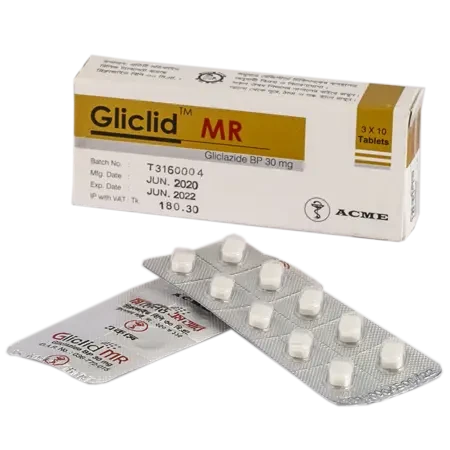
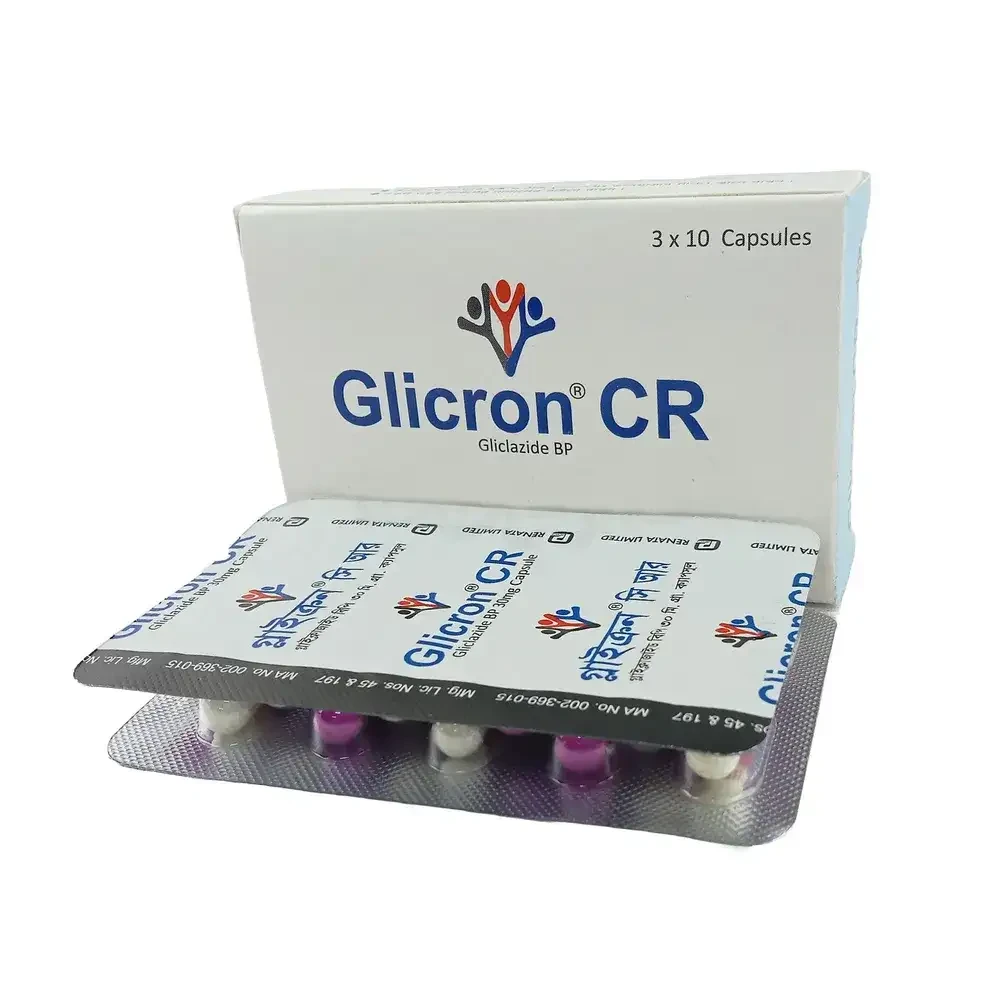
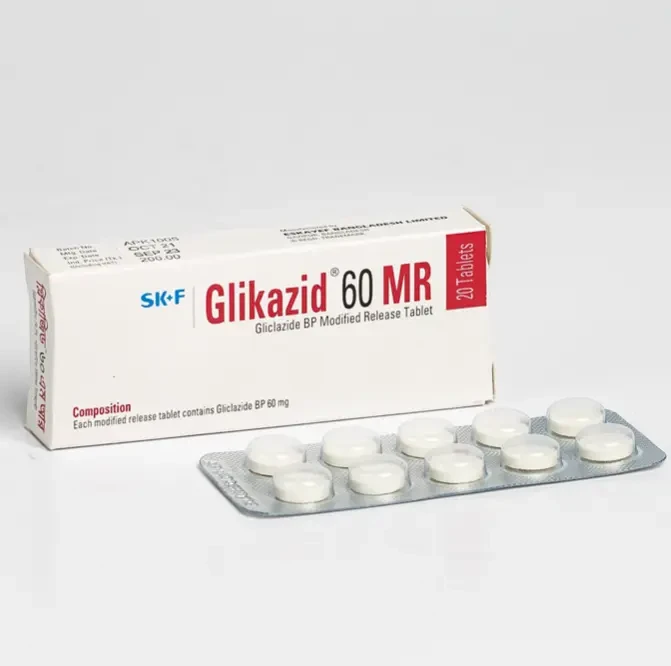
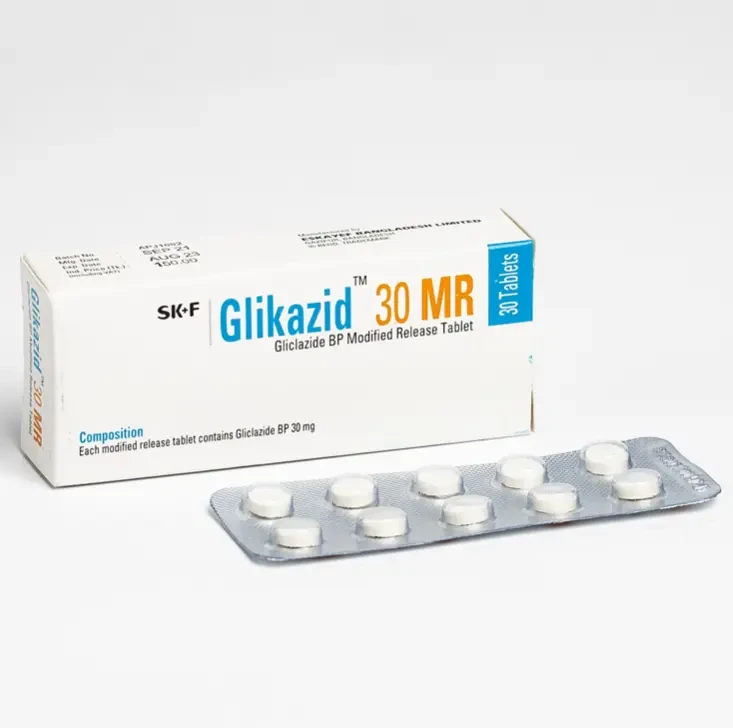
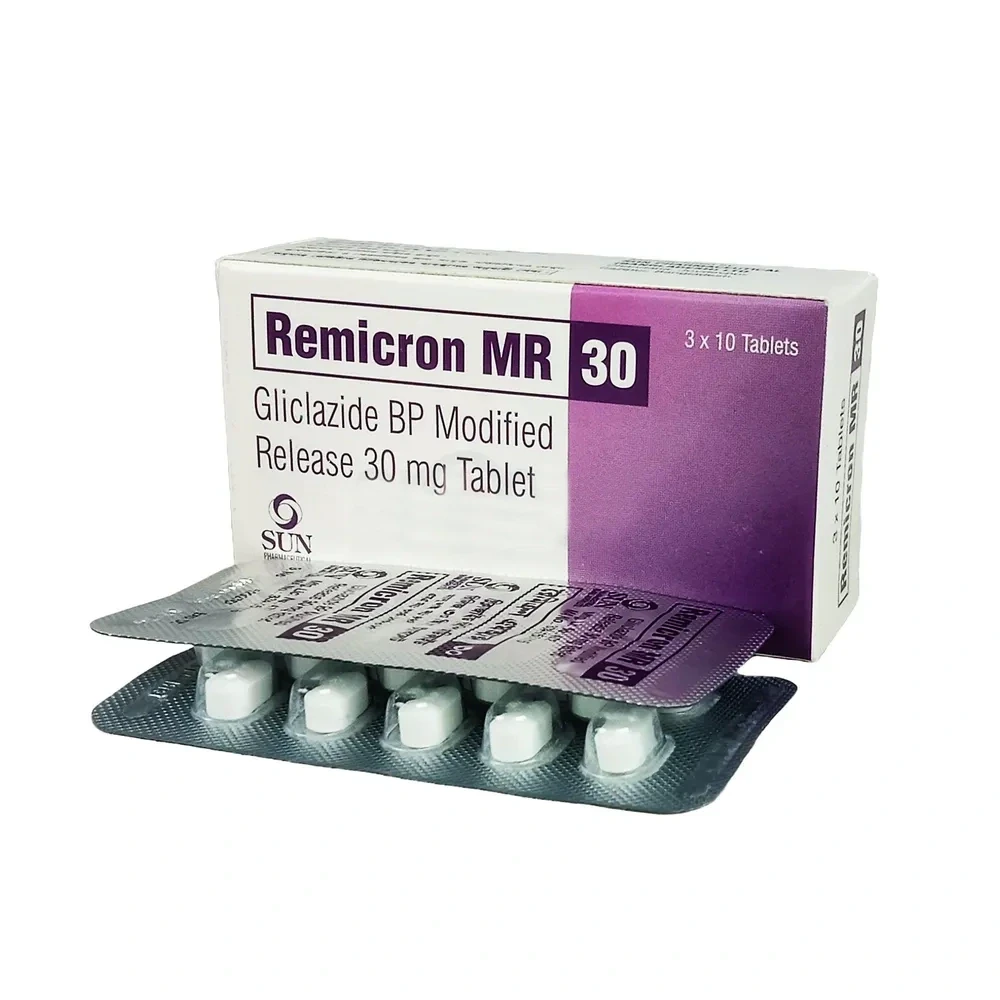
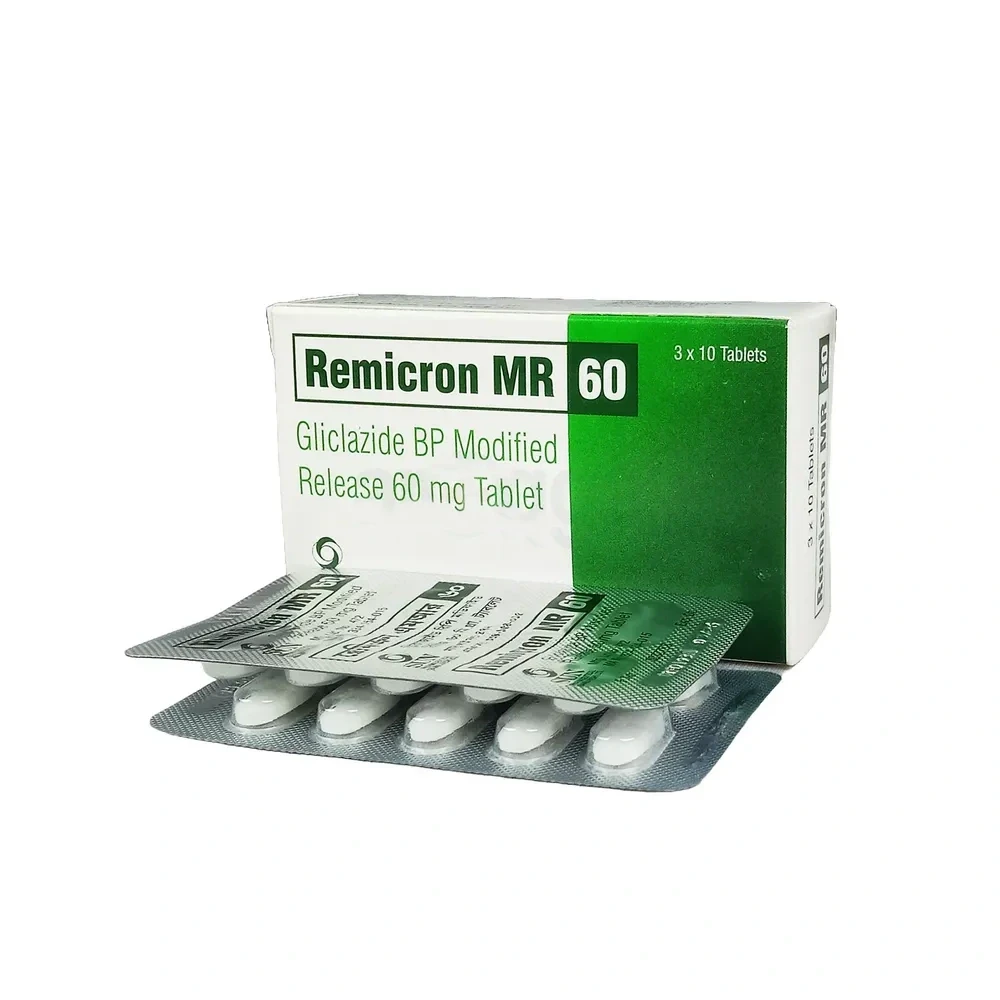
Introduction
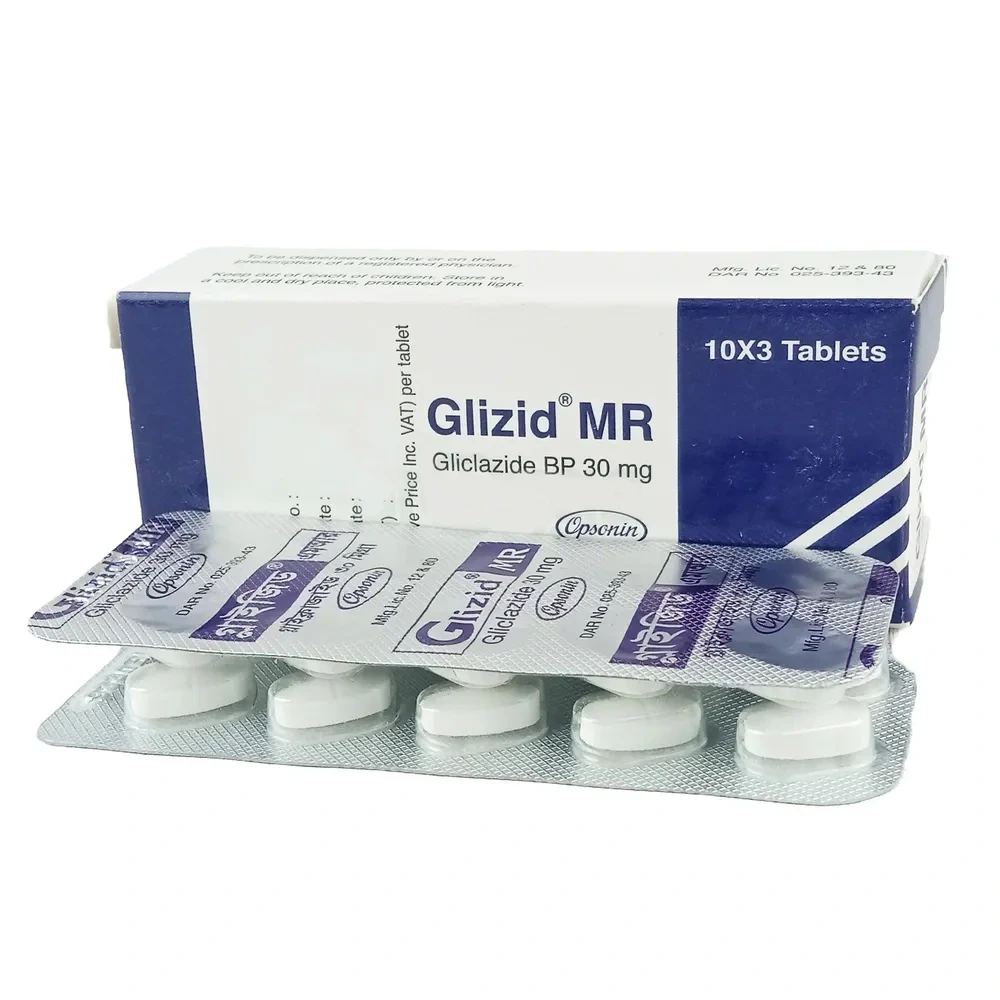
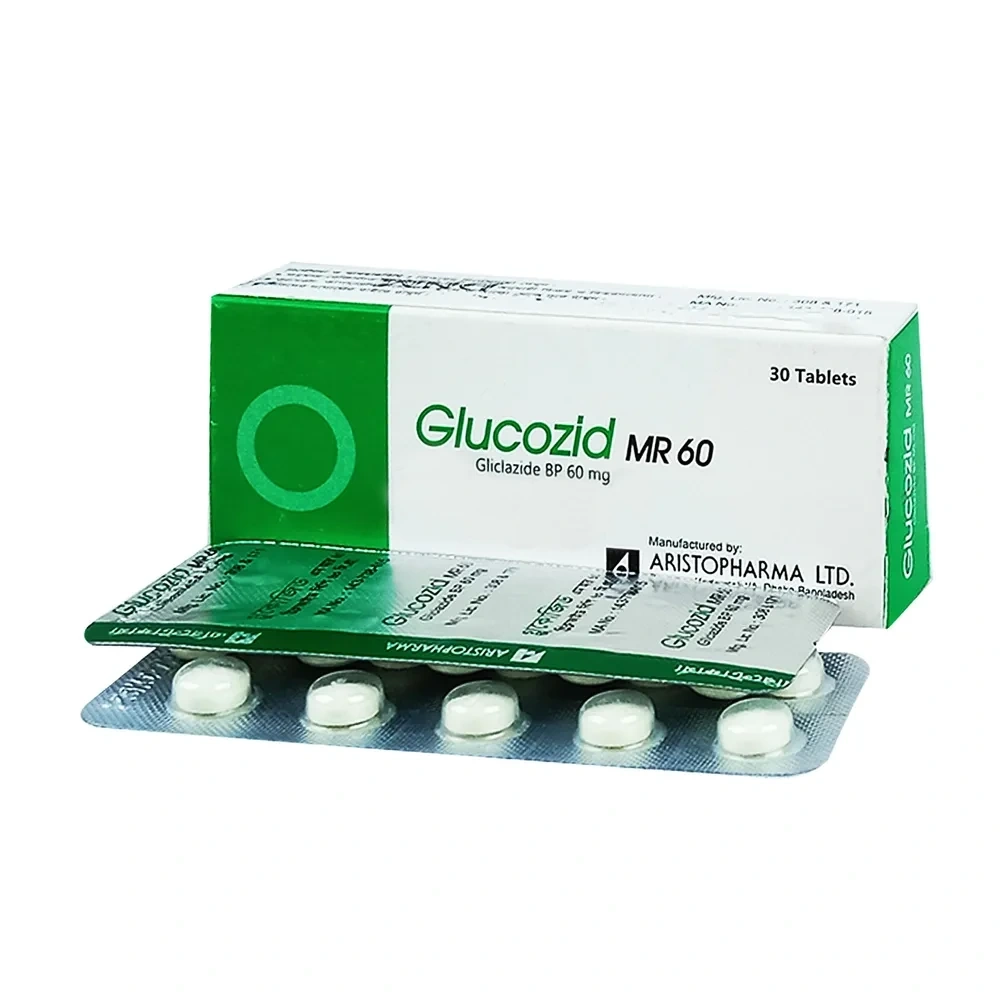
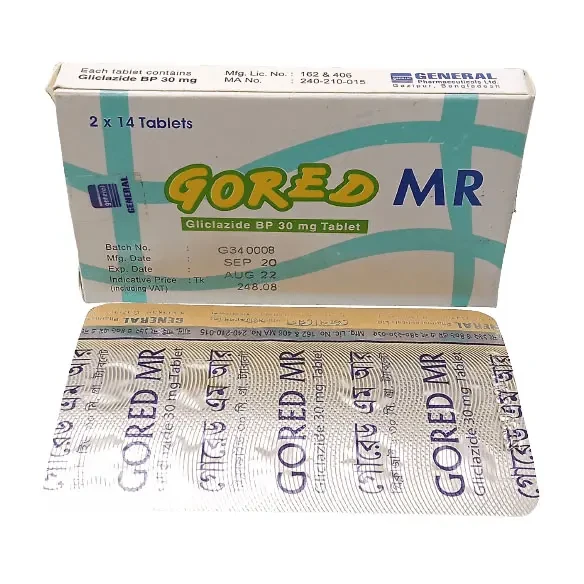
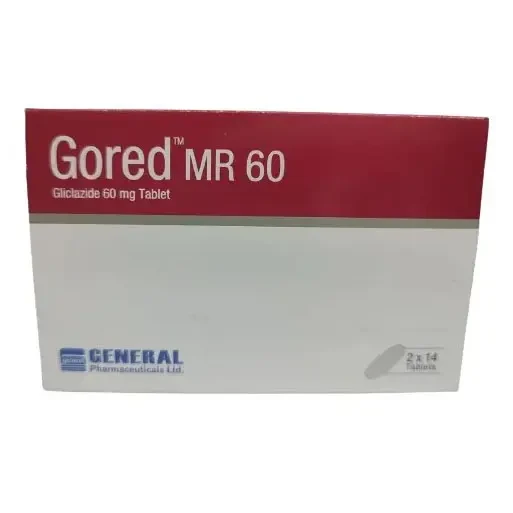
Gliclazide is an oral antihyperglycemic agent used for the treatment of non-insulin-dependent diabetes mellitus (NIDDM). It has been classified differently according to its drug properties in which based on its chemical structure, gliclazide is considered a first-generation sulfonylurea due to the structural presence of a sulfonamide group able to release a proton and the presence of one aromatic group. On the other hand, based on the pharmacological efficacy, gliclazide is considered a second-generation sulfonylurea which presents a higher potency and a shorter half-life. Gliclazide belongs to the sulfonylurea class of insulin secretagogues, which act by stimulating β cells of the pancreas to release insulin. Sulfonylureas increase both basal insulin secretion and meal-stimulated insulin release. Medications in this class differ in their dose, rate of absorption, duration of action, route of elimination and binding site on their target pancreatic β cell receptor. Sulfonylureas also increase peripheral glucose utilization, decrease hepatic gluconeogenesis and may increase the number and sensitivity of insulin receptors. Sulfonylureas are associated with weight gain, though less so than insulin. Due to their mechanism of action, sulfonylureas may cause hypoglycemia and require consistent food intake to decrease this risk. The risk of hypoglycemia is increased in elderly, debilitated and malnourished individuals. Gliclazide has been shown to decrease fasting plasma glucose, postprandial blood glucose and glycosolated hemoglobin (HbA1c) levels (reflective of the last 8-10 weeks of glucose control). Gliclazide is extensively metabolized by the liver; its metabolites are excreted in both urine (60-70%) and feces (10-20%).
Uses
Gliclazide is a sulfonylurea used to treat hyperglycemia in patients with type 2 diabetes mellitus.
For the treatment of NIDDM in conjunction with diet and exercise.
Associated Conditions
Pharmacodynamics
Based on the pharmacological properties, gliclazide is a second generation sulphonylurea which acts as a hypoglycemic agent. It stimulates β cells of the islet of Langerhans in the pancreas to release insulin. It also enhances peripheral insulin sensitivity. Overall, it potentiates insulin release and improves insulin dynamics.
Mechanism of Action
Gliclazide binds to the β cell sulfonyl urea receptor (SUR1). This binding subsequently blocks the ATP sensitive potassium channels. The binding results in closure of the channels and leads to a resulting decrease in potassium efflux leads to depolarization of the β cells. This opens voltage-dependent calcium channels in the β cell resulting in calmodulin activation, which in turn leads to exocytosis of insulin containing secretorty granules.
Absorption
Rapidly and well absorbed but may have wide inter- and intra-individual variability. Peak plasma concentrations occur within 4-6 hours of oral administration.
Protein Binding
94%, highly bound to plasma proteins
Route of Elimination
Metabolites and conjugates are eliminated primarily by the kidneys (60-70%) and also in the feces (10-20%).
Half Life
10.4 hours. Duration of action is 10-24 hours.
Toxicity
LD50=3000 mg/kg (orally in mice). Gliclazide and its metabolites may accumulate in those with severe hepatic and/or renal dysfunction. Symptoms of hypoglycemia include: dizziness, lack of energy, drowsiness, headache and sweating.
Food Interactions
- Avoid alcohol.
- Take with or without food. Consistent food intake reduces the risk of hypoglycemia.
Dosage
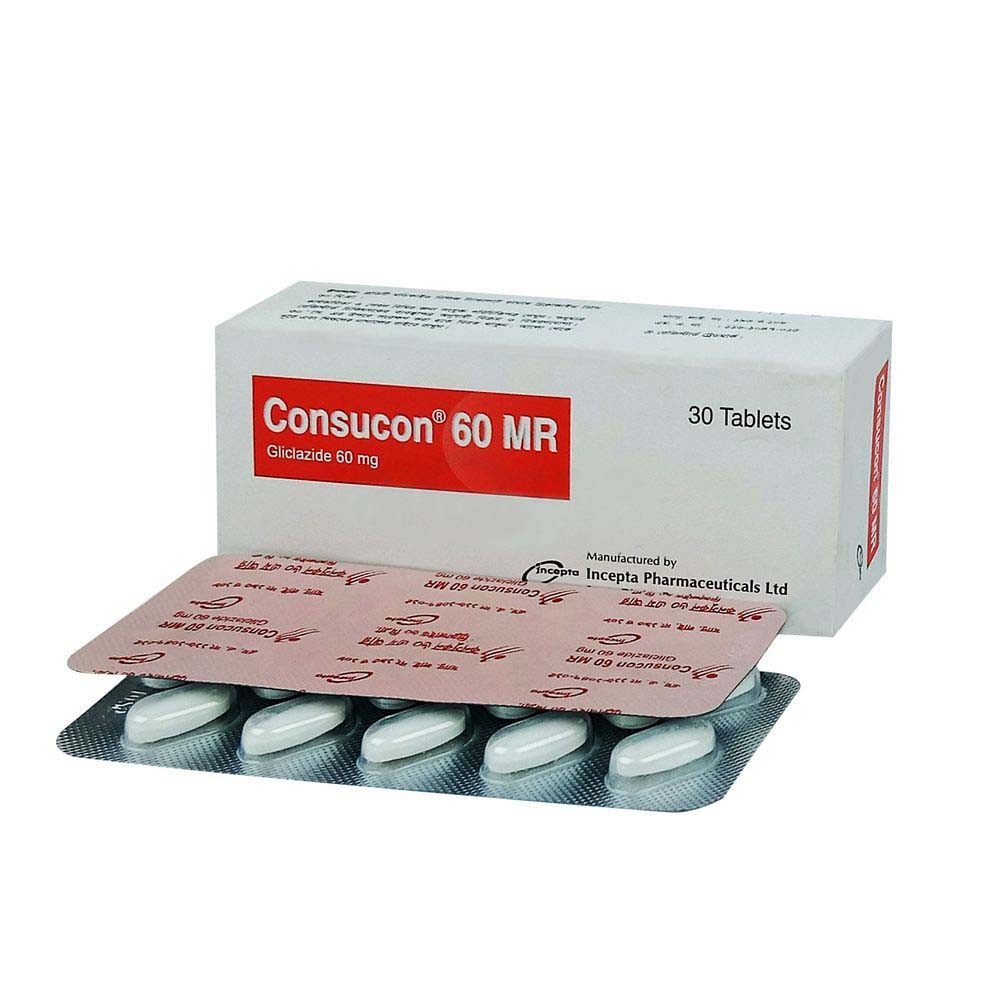
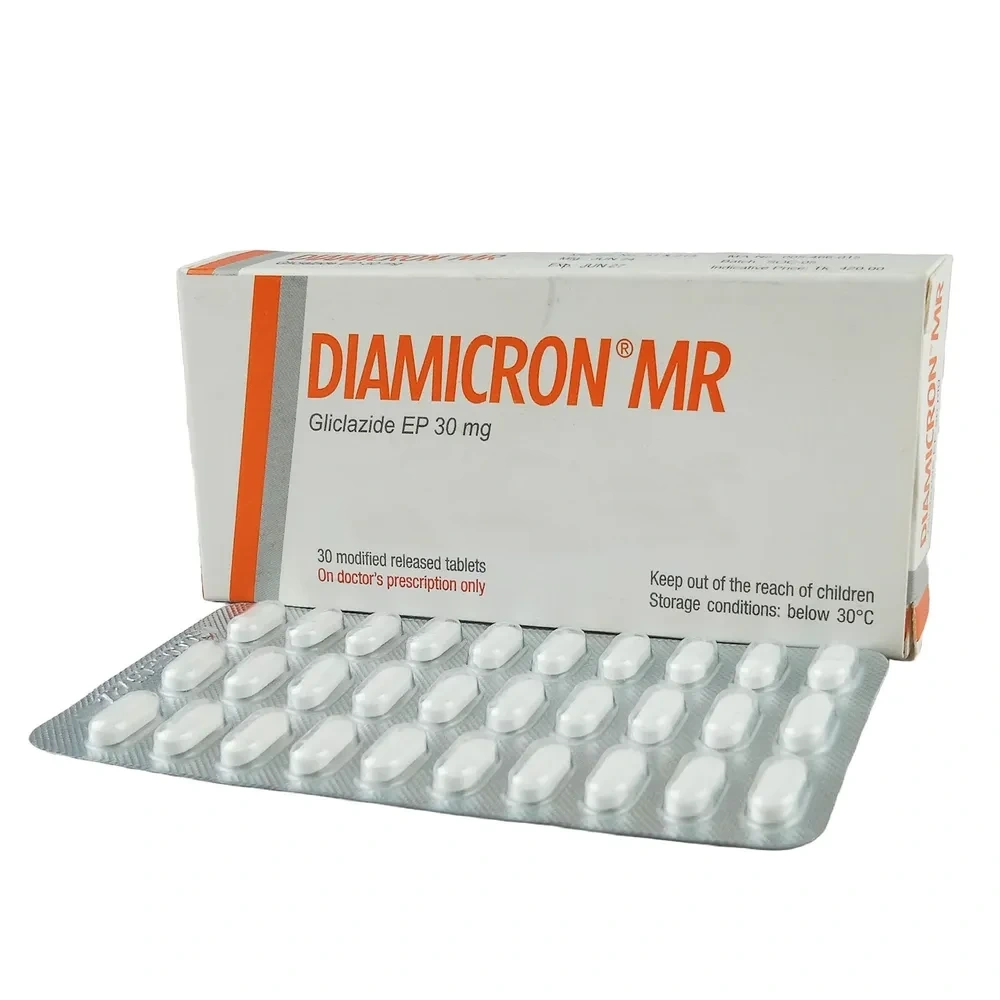
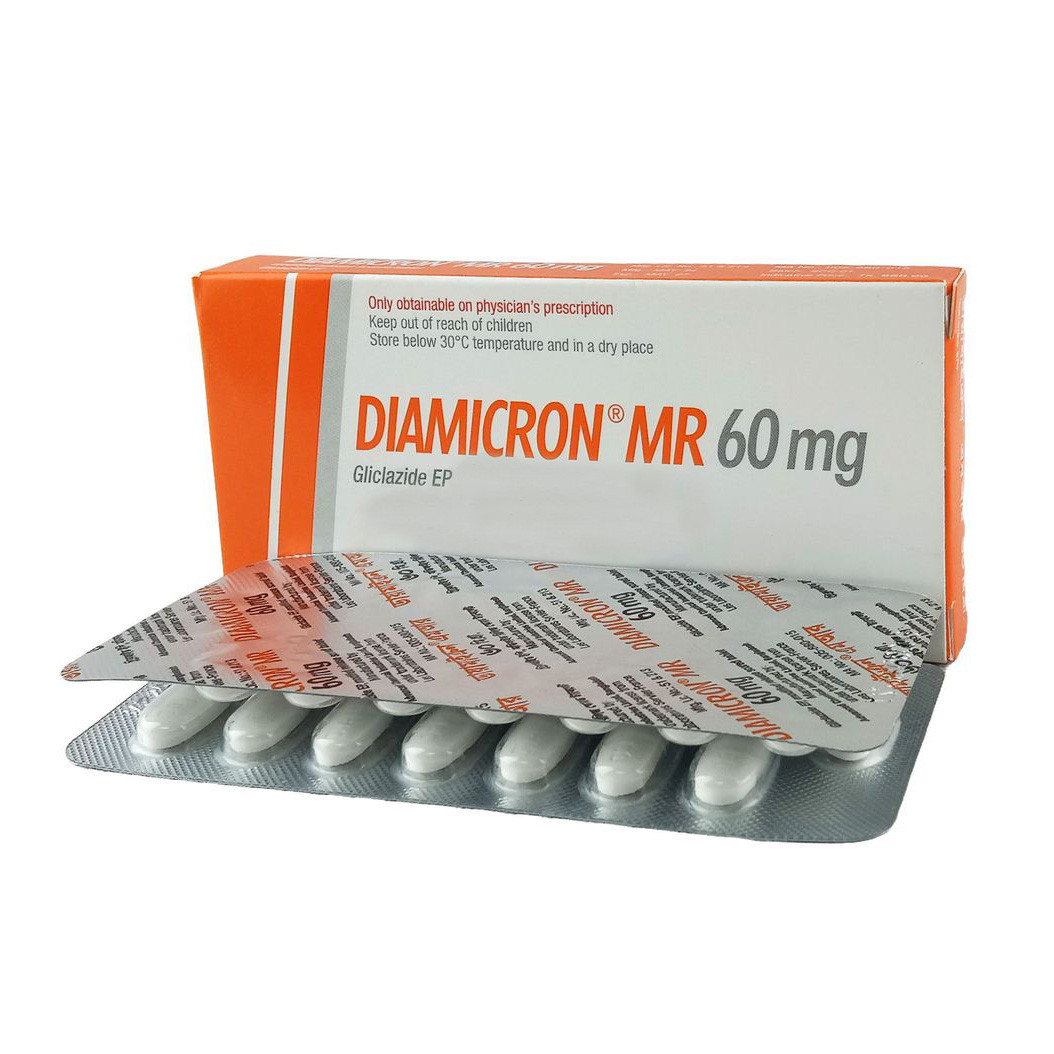
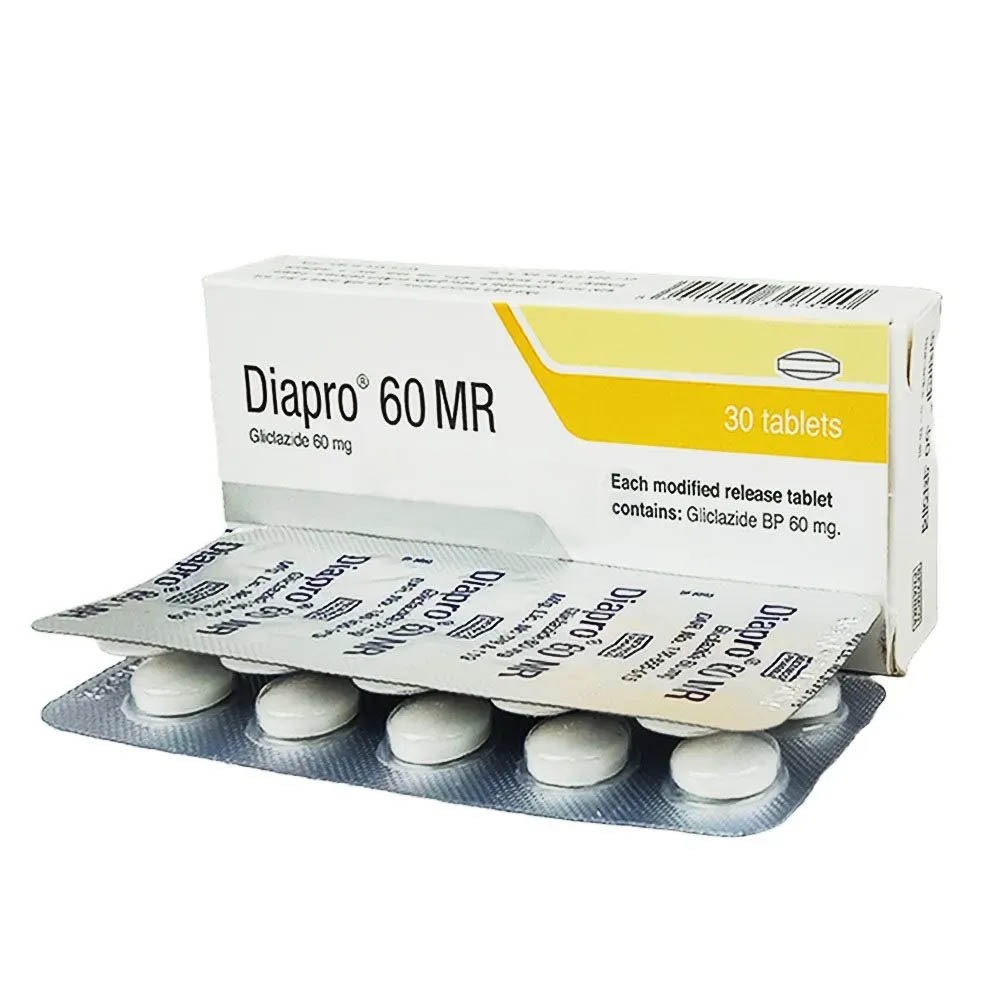
Modified release preparation: Always take this medicine exactly as your doctor or pharmacist has told you. Check with your doctor or pharmacist if you are not sure. The dose is determined by the doctor, depending on your blood and possibly urine sugar levels. Change in external factors (weight reduction, lifestyle, stress) or improvements in the blood sugar control may require changed gliclazide doses.
The recommended daily dose is one to four tablets (maximum 120 mg) in a single intake at breakfast time. This depends on the response to treatment. Gliclazide MR tablet is for oral use. Take your tablet(s) with a glass of water at breakfast time (and preferably at the same time each day). Swallow your whole tablet(s) in one piece. Do not chew or crush. You must always eat a meal after taking your tablet(s).
If a combination therapy of gliclazide with metformin, an alpha-glucosidase inhibitor, a thiazolidinedione, a dipeptidyl peptidase-4 inhibitor a GLP-1 receptor agonist or insulin is initiated your doctor will determine the proper dose of each medicine individually for you. If you notice that your blood sugar levels are high although you are taking the medicine as prescribed, you should contact your doctor or pharmacist.
If you take more Gliclazide tablets than you should: If you take too many tablets, contact your doctor or the nearest hospital Accident & Emergency department immediately. The signs of overdose are those of low blood sugar (hypoglycaemia). The symptoms can be helped by taking sugar (4 to 6 lumps) or sugary drinks straight away, followed by a substantial snack or meal. If the patient is unconscious immediately inform a doctor and call the emergency services. The same should be done if somebody, (for instance a child), has taken the product unintentionally. Unconscious patients must not be given food or drink. It should be ensured that there is always a pre-informed person that can call a doctor in case of emergency.
If you forget to take Gliclazide tablet: It is important to take your medicine every day as regular treatment works better. However, if you forget to take a dose of Gliclazide MR tablet, take the next dose at the usual time. Do not take a double dose to make up for a forgotten dose.
If you stop taking Gliclazide MR tablet: As the treatment for diabetes is usually lifelong, you should discuss with your doctor before stopping this medicinal product. Stopping could cause high blood sugar (hyperglycaemia) which increases the risk of developing complications of diabetes. If you have any further questions on the use of this product, ask your doctor or pharmacist.