Introduction
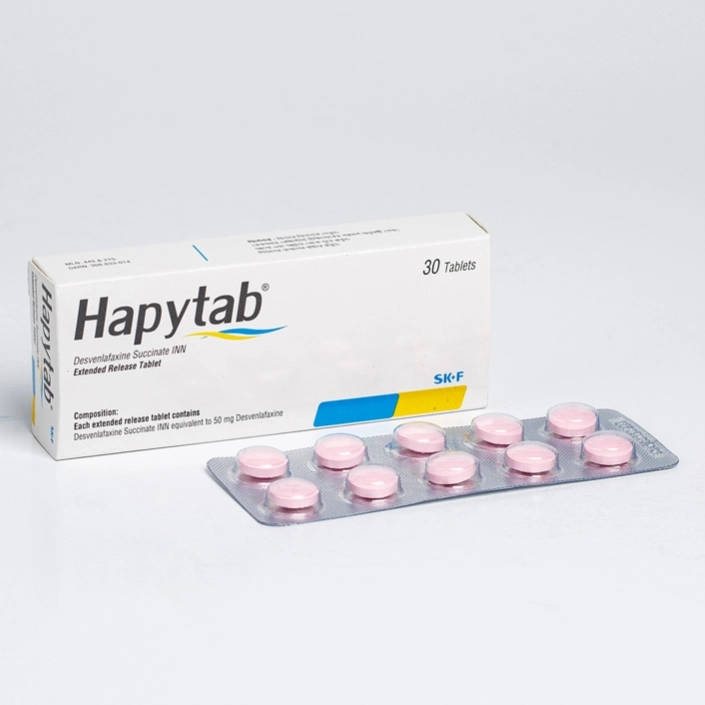
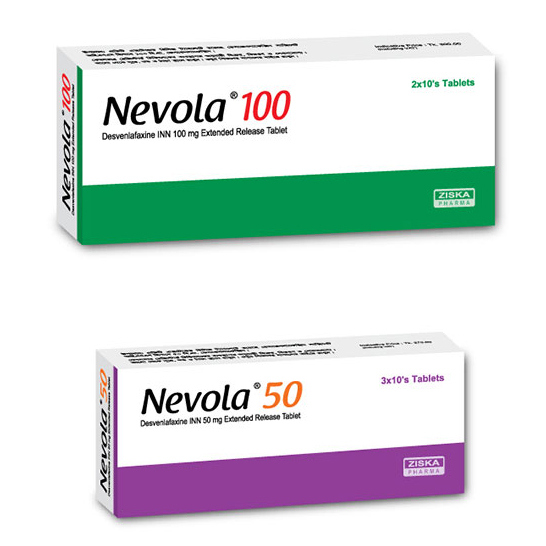
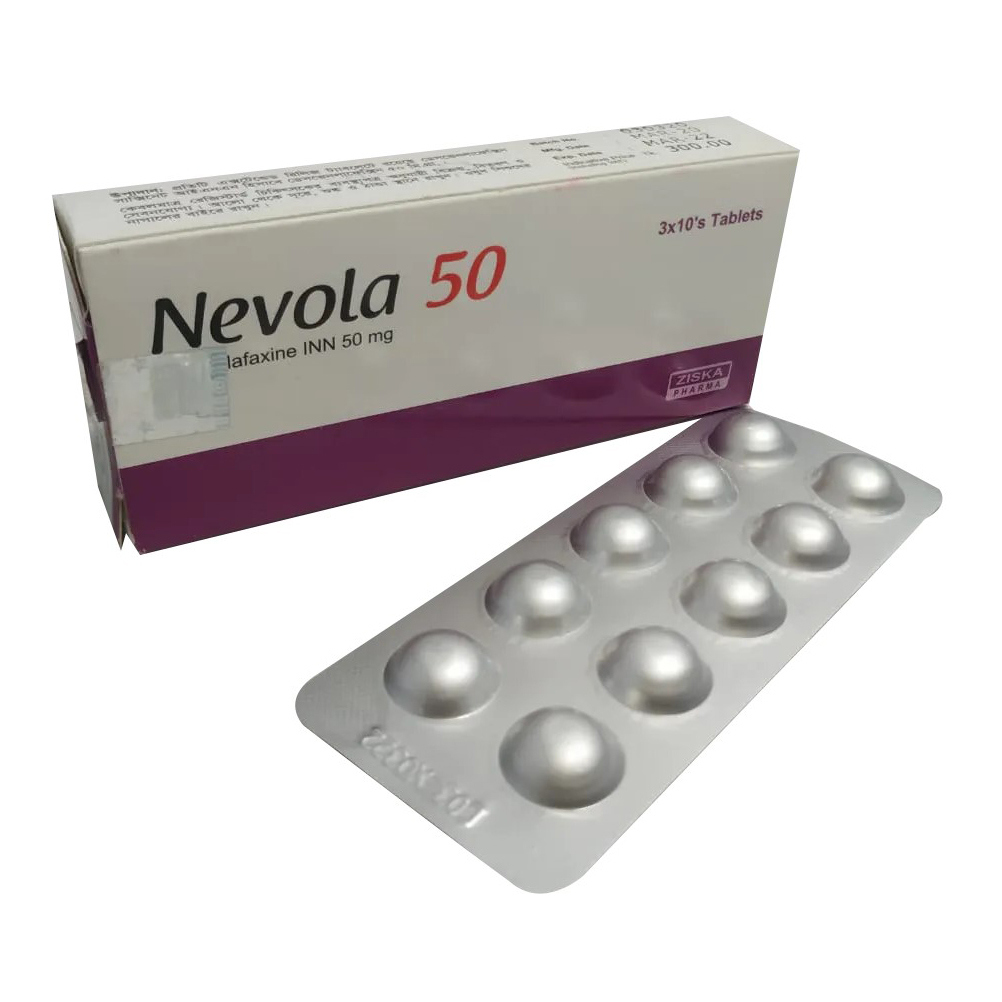
Desvenlafaxine the major active metabolite of venlafaxine, is an antidepressant from the serotonin norepinephrine reuptake inhibitor (SNRI) class. Desvenlafaxine may be used to treat major depressive disorder. It is formulated as an extended release tablet.
Uses
Desvenlafaxine is an antidepressant agent and SNRI used for the treatment of major depressive disorders in adults.
Desvenlafaxine is indicated for the treatment of major depressive disorder in adults.
Associated Conditions
Pharmacodynamics
Desvenlafaxine is a selective serotonin and norepinephrine reuptake inhibitor. It lacks significant activity on muscarinic-cholinergic, H1-histaminergic, or α1-adrenergic receptors in vitro. Desvenlafaxine does not appear to exert activity against calcium, chloride, potassium and sodium ion channels and also lacks monoamine oxidase (MAO) inhibitory activity. It was also shown to lack significant activity again the cardiac potassium channel, hERG, in vitro. Compared to other SNRIs, desvenlafaxine undergoes simple metabolism, has a low risk of drug-drug interactions and does not have to be extensively titrated to reach a therapeutic dose.
Mechanism of Action
Desvenlafaxine, the active metabolite of venlafaxine, is a selective serotonin and norepinephrine reuptake inhibitor. Desvenlafaxine inhibits neurotransmitter reuptake in serotonin, norepinephrine, and dopamine transporters. Desvenlafaxine inhibits serotonin transporters with 10 times the affinity of norepinephrine transporters, and dopamine transporters with the lowest affinity. In vitro, desvenlafaxine has no inhibition of monoamine oxidase, and almost no affinity for muscarinic, cholinergic, H1-histaminergic, and alpha1-adrenergic receptors.
Absorption
Oral bioavailability is approximately 80% and is unaffected by food. Peak plasma concentration is reached in 7.5 hours.
Volume of Distribution
3.4L/kg.
Protein Binding
Protein binding is 30% and this is independent of drug concentration.
Route of Elimination
Desvenlafaxine is mainly excreted in the urine. 45% of the dose is unchanged in the urine, 19% is excreted as a glucuronide metabolite, and 4. No dosage adjustment is necessary for gender, ethnicity, food, or combination with other psychotropics.
Half Life
The mean terminal half life is 11.1 hours and may be prolonged in patients with renal and/or moderate to severe hepatic impairment.
Toxicity
Desvenlafaxine is excreted in breast milk and as a result, nursing mothers must either stop the drug or stop breast feeding depending on the risks and benefit to mother and child.
Food Interactions
- Avoid alcohol.
- Avoid St. John's Wort.
- Take with or without food. The absorption is unaffected by food.