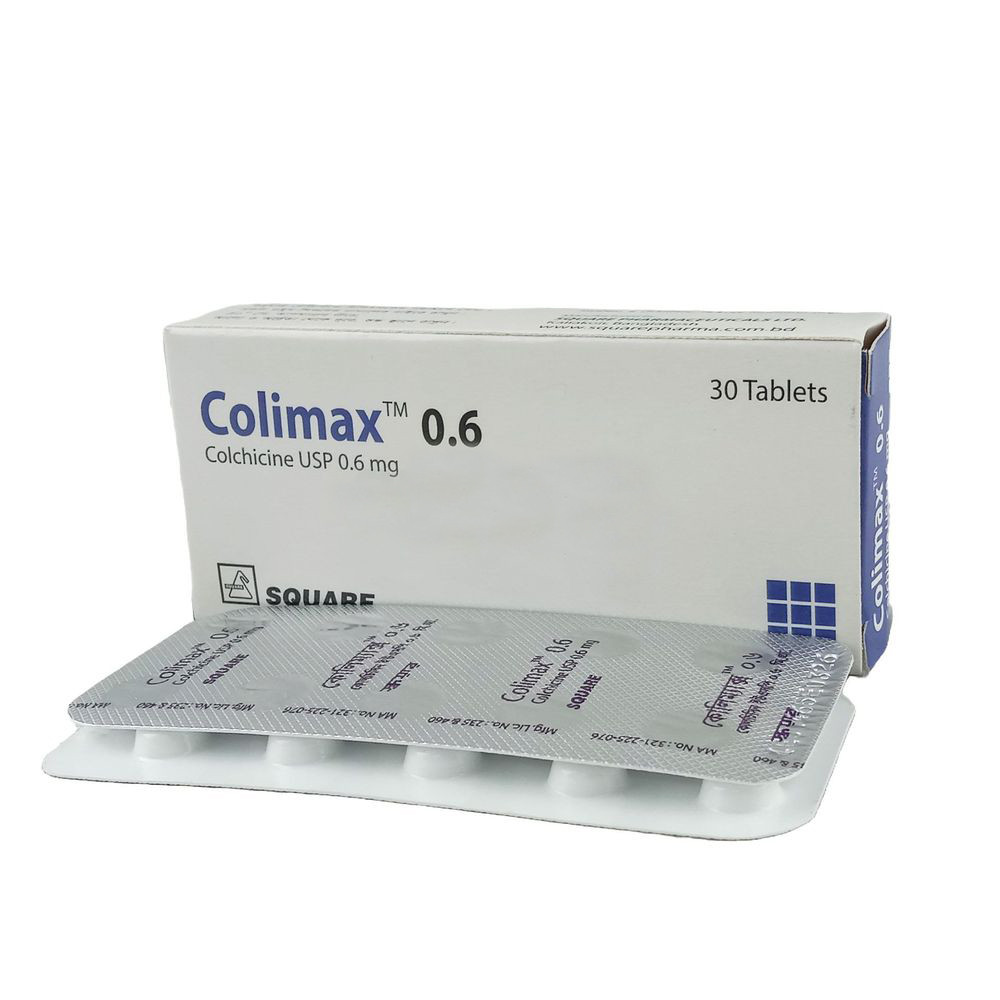
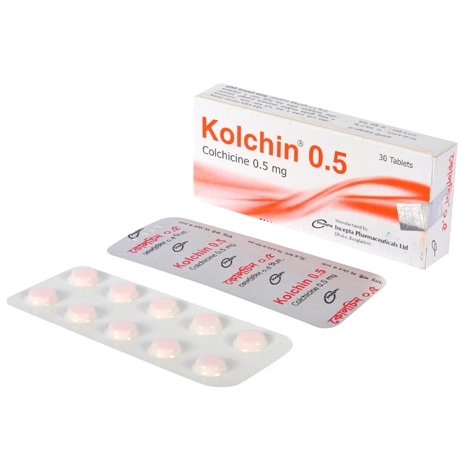
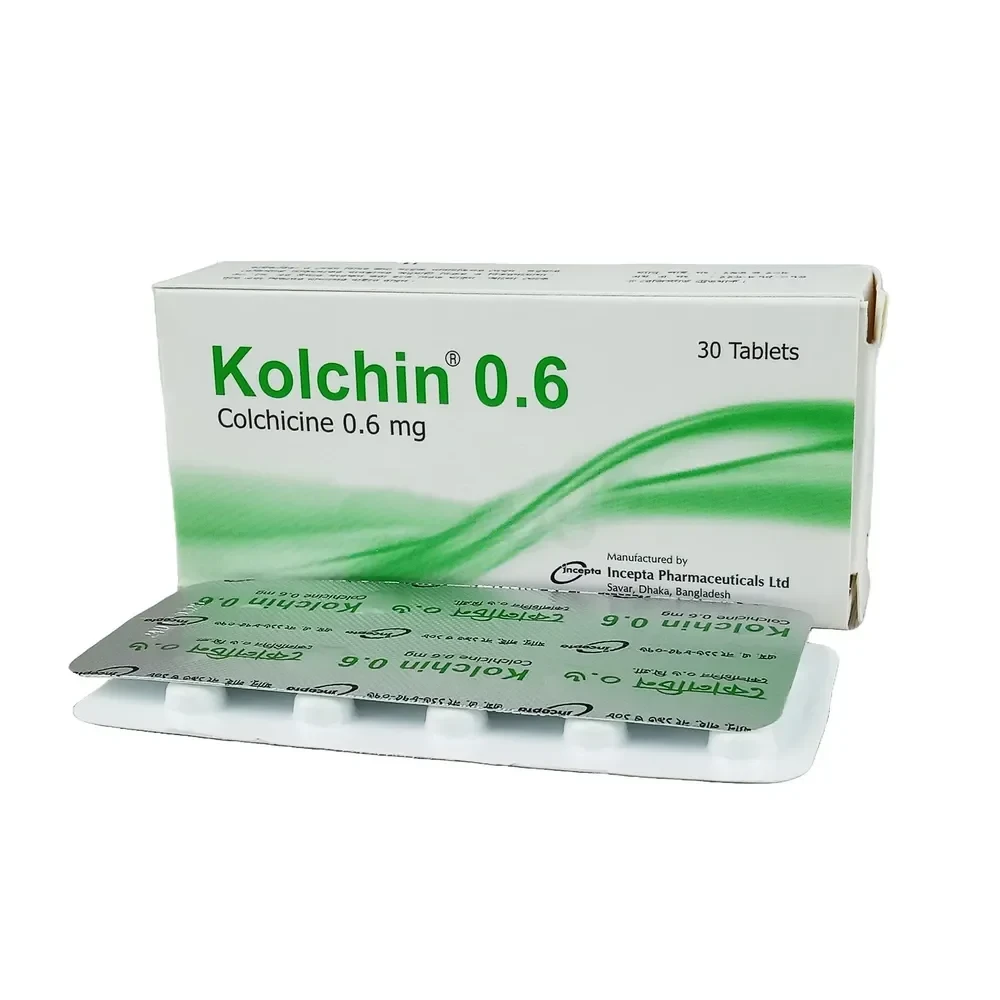
Introduction
Colchicine is an alkaloid drug commonly used in the management of gout, a condition associated with the painful deposition of urate crystals in the joints. It is derived from a plant belonging to the Lily family, known as Colchicum autumnale, or "autumn crocus". Other than its use in gout, colchicine has been approved for managing exacerbations of Familial Mediterranean Fever (FMF), a hereditary autoinflammatory condition.
Uses
Colchicine is an alkaloid used in the symptomatic relief of pain in attacks of gout and to treat the inflammatory symptoms of Familial Mediterranean Fever (FMF).
Colchicine is indicated for the prophylaxis and treatment of gout flares. It is also indicated in Familial Mediterranean fever (FMF) in children and adults of 4 years of age and older. It is important to note that this medication is not a pain reliever to be used for other painful conditions. Consider analgesics for this purpose. Some off-label uses of colchicine include the treatment of the manifestations of Behcet's syndrome, pericarditis, and postpericardiotomy syndrome.
Associated Conditions
Pharmacodynamics
Colchicine reduces the pain resulting from gout and reduces flares of Familial Mediterranean fever by interfering with inflammatory pathways. This drug has a narrow therapeutic index.
Mechanism of Action
The exact mechanism of action of colchicine has not been fully established, however likely occurs via the downstream inhibition of inflammation caused by tubulin disruption. Studies have implied that that colchicine causes disruption of the inflammasome complex that is present in both monocytes and neutrophils, which normally leads to the activation of interleukin-1, an important mediator of inflammation. In addition to the above actions, colchicine acts to interfere with pathways including neutrophil adhesion and recruitment, superoxide production, the RhoA/Rho effector kinase (ROCK) pathway, as well as a type of nuclear factor κΒ (NF-κΒ) pathway, reducing inflammation.
On a molecular level, colchicine can be described as an anti-mitotic drug, blocking the mitotic activity cells in the metaphase part of the cell cycle. Specifically, colchicine binds to tubulin, forming complexes that bind to microtubules. This stops their elongation. At low concentrations, colchicine stops microtubule growth and, at elevated concentrations, colchicine causes the depolymerization of microtubules.
Absorption
Colchicine is rapidly absorbed after oral administration from the gastrointestinal tract. During a pharmacokinetic study, a mean Cmax of 2.5 ng/mL was achieved within 1-2 h (range 0.5 to three hours) after an orally administered dose of colchicine. The bioavailability of colchicine is about 45%, according to the FDA label, however, another reference indicates that the bioavailability is highly variable, ranging from 24 to 88%. In a multiple-dose study of colchicine administration at a dose of 1 mg per day, steady-state concentrations were achieved by 8 days following administration.
Volume of Distribution
According to the FDA label, the mean apparent volume of distribution in young and healthy patients is calculated to be about 5-8 L/kg. It is known to cross the placenta and to distribute into the breast milk. Colchicine has been found to distribute to various tissues but mainly into the bile, liver, and kidney tissues. Smaller amounts have been detected in the heart, lungs, intestinal tissue, and stomach.
Protein Binding
The plasma protein binding for colchicine is low to moderate, at 39 ± 5%, and it is mainly bound to albumin.
Route of Elimination
In a pharmacokinetic study of healthy research subjects(n=12), 40% to 65% of a 1 mg oral colchicine dose was measured as unchanged drug in the urine. Both enterohepatic recirculation and biliary excretion are routes which are involved with the excretion of colchicine.
Half Life
After several doses of 0.6 mg twice daily, the average elimination half-life of colchicine ranges from 26.6 to 31.2 hours. Another reference measures that the elimination half-life ranges from 20 to 40 hours.
Clearance
The FDA label reports a clearance of and 0.0292 ± 0.0071 to 0.0321 ± 0.0091 mL/min after a single oral dose of one 0.6 mg of colchicine. Patients with end-stage renal impairment showed a 75% lower clearance of colchicine. In a pharmacokinetic study of patients with Familial Mediterranean Fever (FMF), the apparent mean clearance was calculated at 0.726 ± 0.110 L/h/kg.
Toxicity
The oral LD50 of colchicine in mice is 5.87 mg/kg.
Overdose information
Fatal overdoses have been reported in adults and children following the ingestion of colchicine. There are several stages involved in colchicine toxicity. The signs and symptoms generally occur within 24 hours of colchicine ingestion. Gastrointestinal disturbance, including abdominal pain, nausea, vomiting, diarrhea, and volume depletion. Elevated leucocyctes may also be detected during laboratory testing. Dangerous complications may occur during the second stage of a colchicine overdose, is generally during the time frame of 24 to 72 hours after ingestion. Multiorgan failure may occur and death is usually caused by respiratory depression in addition to cardiovascular collapse.
In the case of a colchicine overdose, gastric lavage and supportive measures to prevent shock should be undertaken. Treat symptoms related to the overdose. There is currently no antidote to a colchicine overdose. This drug should be kept out of the reach of children. Colchicine is not well removed by dialysis.
Food Interactions
- Take with or without food. The absorption is unaffected by food.
Dosage
- First dose- 1 to 1.2 mg (two 0.5 mg or two 0.6 mg tablets) at a time every 2 hours until pain and inflammation aborted.
- The total amount of colchicine needed to control pain and inflammation during an attack usually ranges from 4 to 8 mg.
- Articular pain and swelling typically reduced within 12 hours and are usually gone in 24 to 48 hours, An interval of three days between colchicine courses is advised in order to minimize the possibility of cumulative toxicity.
- To reduce the frequency of their severity, colchicine may be administered continuously.
- In patients who have less than one attack per year, the usual dose is 0.5 or 0.6 mg per day, three or four days a week.
- For cases involving more than one attack per year, the usual dose is 0.5 or 0.6 mg daily.
- Severe cases may require two or three 0.5 mg or 0.6 mg tablets daily.
- In patients with gout, an attack may be precipitated by even a minor surgical procedure. One 0.5 mg tablet or one 0.6 mg tablet three times daily should be administered for three days before and three days after surgery.