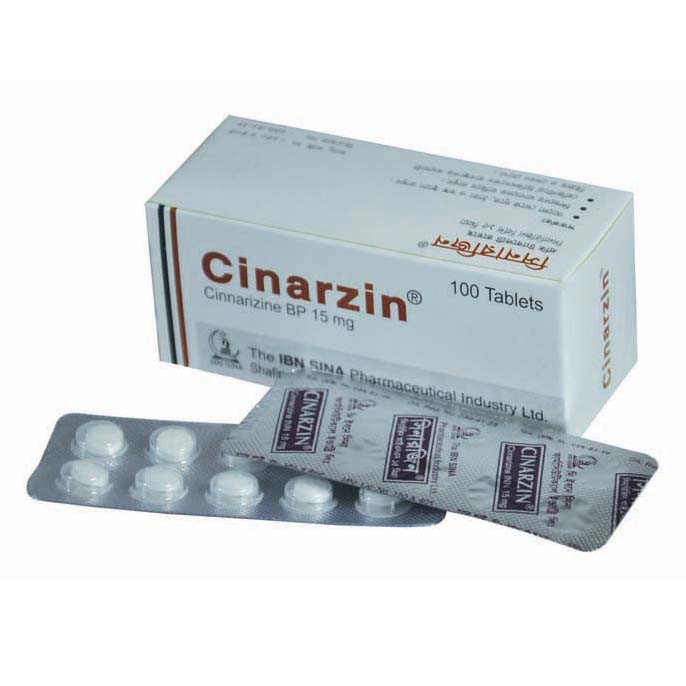
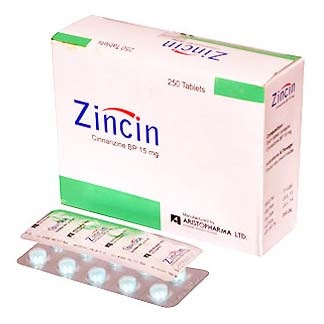
Introduction

Cinnarizine is an anti-vertigo, anti-dizziness and anti-emetic drug which belongs to the group of piperazine derivatives. It is also known as Stugeron or Stugeron Forte in some countries and works by affecting some of the chemicals in your brain.

Uses for

Cinnarizine is used for the prevention and treatment of symptoms such as vertigo, dizziness, and nausea caused by a variety of conditions including labyrinthitis, Meniere's disease, drug-induced motion sickness, and even by anxiety or stress.

Brand Name Cinnarizine
Type
Weight
Generic Cinnarizine
Manufacturer
Available in English বাংলা

Mechanism of Action

Cinnarizine works by blocking the action of certain neurotransmitters in the brain, thereby helping reduce the symptoms of vertigo and nausea. It also works to reduce anxiety, which can help reduce the likelihood of the symptoms reoccurring.

How long does it take to work?

Cinnarizine typically starts to work within an hour, although it can occasionally take up to three hours. Its effects may last up to eight hours, but it is possible for the effects to last up to 24 hours.

Absorption

Cinnarizine is rapidly absorbed after oral administration, with peak plasma concentrations achieved within 4 hours. It is well absorbed from the gastrointestinal tract and reaches peak plasma concentrations after 4 hours.

Route of Elimination

Cinnarizine is metabolized in the liver and is excreted mainly via the kidneys. It has a long half-life, with most of the metabolized product being eliminated within seven days.

Dosage

Usual adult dose: 15 to 30 mg three times daily.
Children (5 to 12 years): Half of the adult dose.
Motion sickness: A dose of 30 mg two hours before the start of the journey and 15 mg every 8 hours during the journey.
Peripheral arterial diseases: 75 mg two or three times daily.

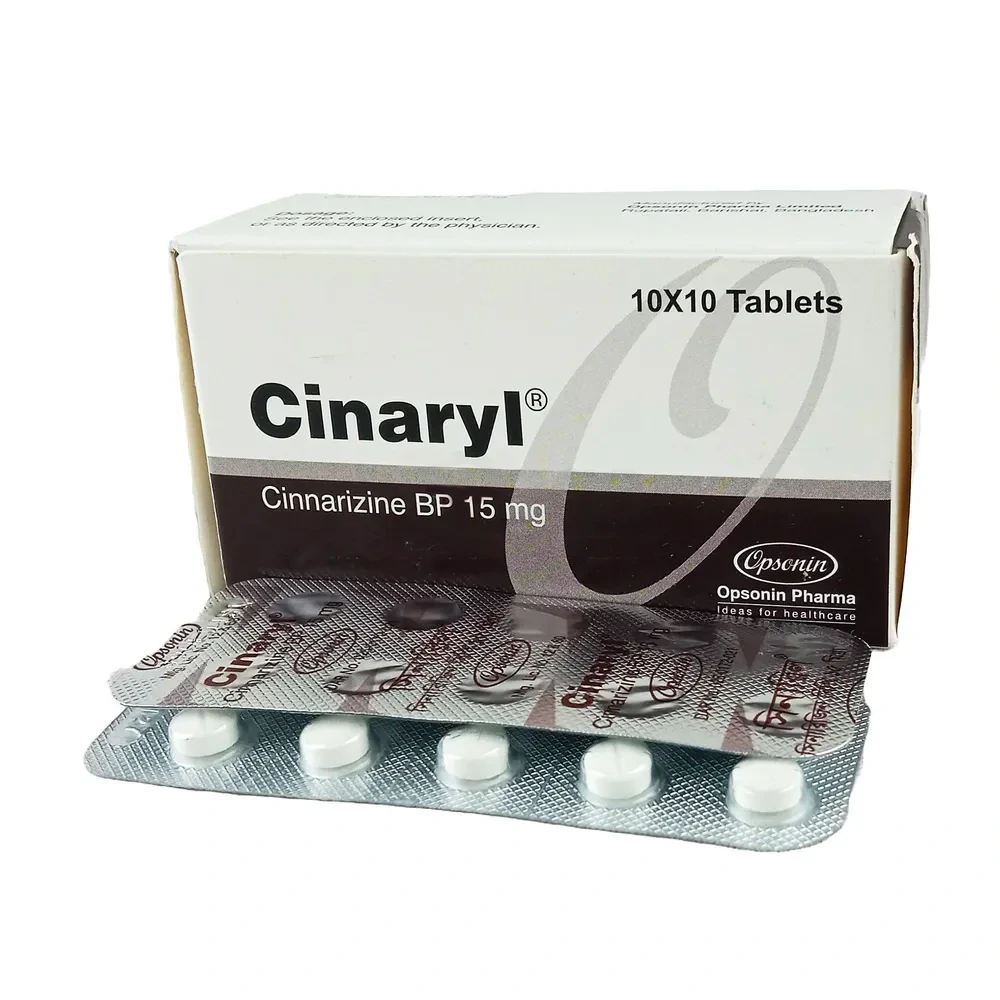
The dosage of cinnarizine depends on the severity and underlying cause of the vertigo or nausea. Generally, it is recommended to take 15 mg to 25 mg three times daily, or as prescribed by a doctor.

Administration

Cinnarizine should be taken with plenty of fluids. The tablets can be divided into equal smaller doses if needed. It is best to take cinnarizine with or after food to reduce the risk of gastric irritations.

Side Effects

The most common side effects of cinnarizine include: drowsiness, headaches, dry mouth, skin rash, loss of appetite, nausea, vomiting, dizziness, blurred vision, difficulty concentrating, confusion, nervousness, depression, and menstrual irregularities.

Toxicity

Cinnarizine is considered to be a relatively safe medicine, but high doses can lead to toxicity. Symptoms of an overdose of cinnarizine may include nausea, vomiting, drowsiness, confusion, increased heart rate, decreased blood pressure, and seizures.

Precautions

Before taking cinnarizine, it is important to notify your doctor if you have any other medical conditions, such as kidney or liver disease, heart disease, prostate problems, glaucoma, depression, or any allergies. It is also important to tell your doctor about all medications you are taking, including over-the-counter and herbal medications.

Interactions

Cinnarizine may interact with other medications, including those that affect the central nervous system, and can lead to serious side effects such as confusion, sedation, and dizziness. It is important to notify your doctor if you are taking any other medications, including over-the-counter and herbal medicines.

Disease Interaction

Cinnarizine can interact with certain diseases and medical conditions, such as liver or kidney disease, glaucoma, prostate problems, and depression, and can cause serious side effects. It is important to notify your doctor if you have any of these conditions or diseases before taking cinnarizine.

Drug Interaction

Cinnarizine may interact with certain drugs, including those that act on the central nervous system. Such drugs include benzodiazepines, opioids, antidepressants, antipsychotics, and anticonvulsants. It is important to notify your doctor if you are taking any other medications before taking cinnarizine.

Food Interactions

Cinnarizine may interact with certain foods, including those that contain caffeine or alcohol, which can increase the risk of adverse side effects. It is important to notify your doctor of any dietary changes or specific foods you consume before taking cinnarizine.

Pregnancy Use

Cinnarizine should not be taken by pregnant women or those planning to become pregnant, as it can harm the fetus. It is important to notify your doctor if you are pregnant before taking cinnarizine.

Lactation Use

Cinnarizine should not be taken by nursing mothers, as it can be passed through breast milk and can possibly harm a nursing infant. It is important to notify your doctor of any breastfeeding before taking cinnarizine.

Acute Overdose

If an overdose of cinnarizine is suspected, it is important to immediately seek medical help. Symptoms of an overdose may include nausea, vomiting, drowsiness, confusion, increased heart rate, decreased blood pressure, and seizures.

Contraindication

Cinnarizine should not be taken by people who are allergic to cinnarizine or any of the ingredients in the medication. It is also not suitable for people with certain health conditions, such as liver or kidney disease, glaucoma, prostate problems, or depression.

Use Direction

Cinnarizine should be taken as directed by a doctor or pharmacist. The suggested dose is 15 to 25 mg three times daily. The tablets can be divided into equal smaller doses if needed and should be taken with plenty of fluids. It is best to take cinnarizine with or after food to reduce the risk of gastric irritations.

Storage Condition

Cinnarizine should be stored at room temperature, away from direct light and moisture. Keep it away from children and pets. It should be kept in its original packaging.

Volume of Distribution

Cinnarizine has a volume of distribution between 1.09 and 1.25 L/kg.

Half Life

Cinnarizine has an elimination half-life of approximately 15-20 hours.

Clearance

The clearance of cinnarizine is approximately 0.17-0.21 ml/min/kg.

See in details version Cinnarizine also Cinnarizine in bangla

Some Frequently Asked Questions About Cinnarizine

*** Taking medicines without doctor's advice can cause long-term problems.
Prof. Dr. Syed Md. Elias

Prof. Dr. Syed Md. Elias

Orthopedics (Bone, Joint, Trauma, Injury) Specialist & Surgeon

Call Doctor
Dr. Md. Albabur Rahman

Dr. Md. Albabur Rahman

Skin, Sex, Allergy, Leprosy Specialist & Dermato Surgeon

Call Doctor
Dr. Shish Mohammad Sarkar

Dr. Shish Mohammad Sarkar

Chest Diseases, Asthma & Medicine Specialist

Call Doctor
Related Medicines