Introduction
Cenobamate, or YKP-3089, is an antiepileptic drug developed by SK Pharmaceuticals and used to treat partial onset seizures. The exact mechanism of action has not been described in the literature, though it positively modulates GABAA and inhibits voltage gated sodium channels.
Cenobamate was granted FDA approval on 21 November 2019.
Uses
Cenobamate is a small molecule drug indicated to treat partial onset seizures in adults.
Cenobamate is indicated for the treatment of partial onset seizures in adults.
Associated Conditions
Pharmacodynamics
The mechanism of cenobamate is unknown, however it modulates GABAA and inhibit voltage gated sodium channels. Cenobamate is given once daily and so it has a long duration of action. The therapeutic window is wide as doses of 750mg can be well tolerated. Patients should be counselled regarding the risk of DRESS syndrome, QT interval shortening, suicidal behavior, and neurological adverse effects.
Mechanism of Action
Cenobamate inhibits voltage gated sodium channels and is a positive GABAA modulator. However, the exact mechanism of action remains unknown. Inhibition of voltage gated sodium channels increases the threshold for generating action potentials and decreases the number of action potentials.
Absorption
Cenobamate is 88% orally bioavailable with a Tmax of 1-4 hours. A high fat meal does not significantly impact the pharmacokinetics of cenobamate.
Volume of Distribution
The apparent volume of distribution of cenobamate is 40-50L.
Protein Binding
Cenobamate is 60% protein bound in plasma, mainly serum albumin.
Route of Elimination
Cenobamate is 87.8% eliminated in the urine and 5.2% in the feces.
Half Life
The terminal half life of cenobamate is 50-60h.
Clearance
The apparent oral clearance of cenobamate is 0.45-0.63L/h for a 100-400mg/day dose.
Toxicity
There is limited information regarding the signs, symptoms, and treatment of a cenobamate overdose. Symptomatic and supportive treatment is recommended and there is limited data on the utility of dialysis to remove cenobamate from blood.
Food Interactions
- Avoid alcohol. Alcohol may increase somnolence and sedation.
- Take with or without food.
Dosage
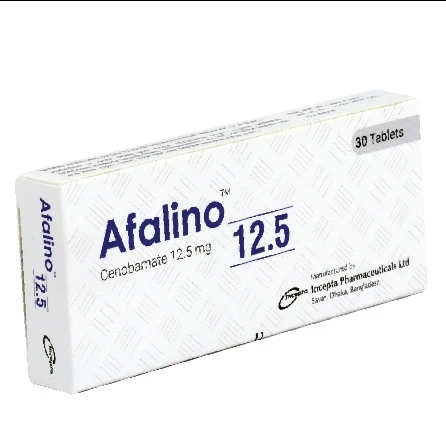
Initial Dosage: For Week 1 and 2 dose is 12.5 mg once daily
Titration Regimen:
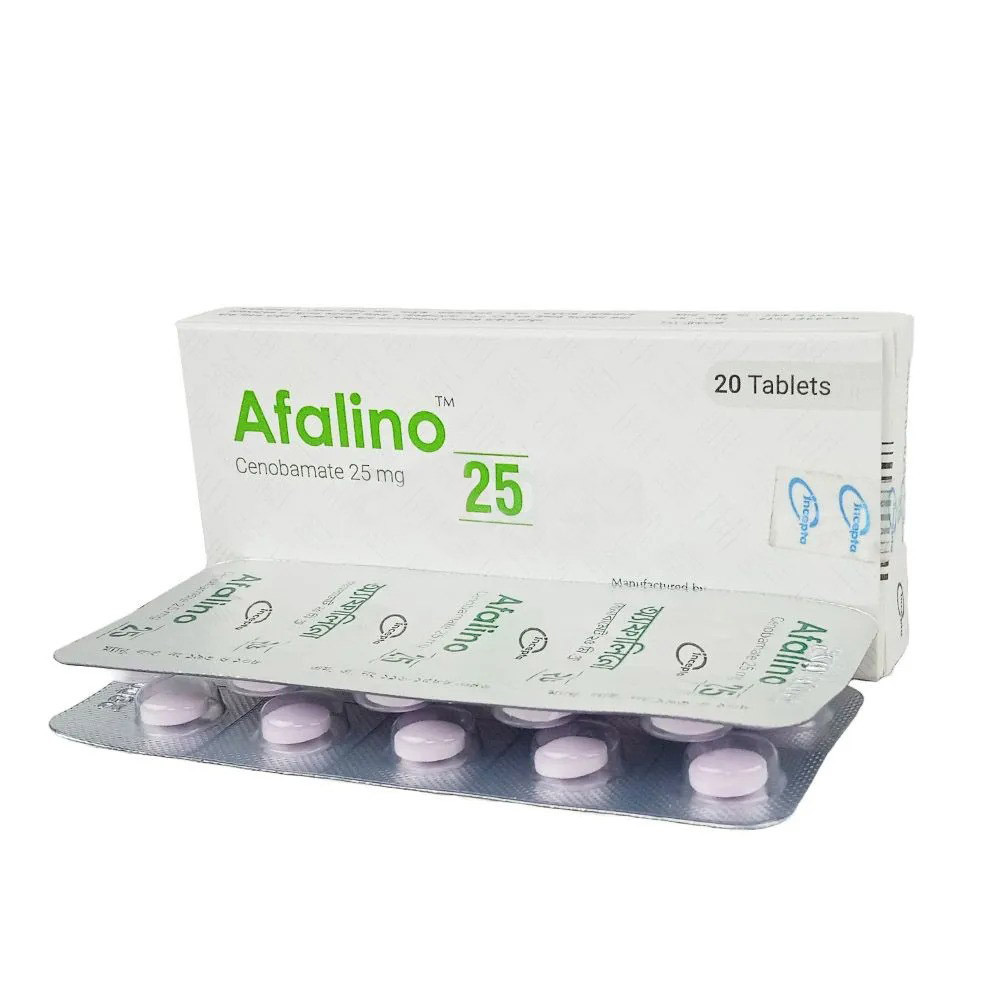
- For Week 3 and 4 dose is 25 mg once daily
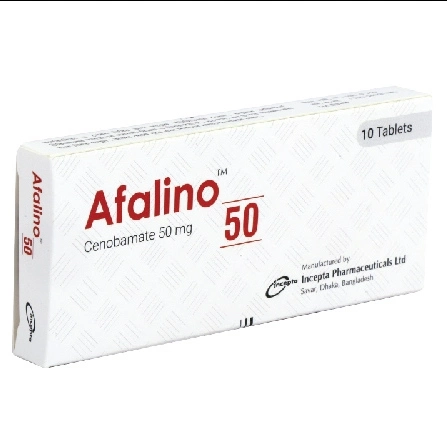
- For Week 5 and 6 dose is 50 mg once daily
- For Week 7 and 8 dose is 100 mg once daily
- For Week 9 and 10 dose is 150 mg once daily
Maximum Dosage: If needed based on clinical response and tolerability, the dose may be increased above 200 mg by increments of 50 mg once daily every two weeks to 400 mg once daily.